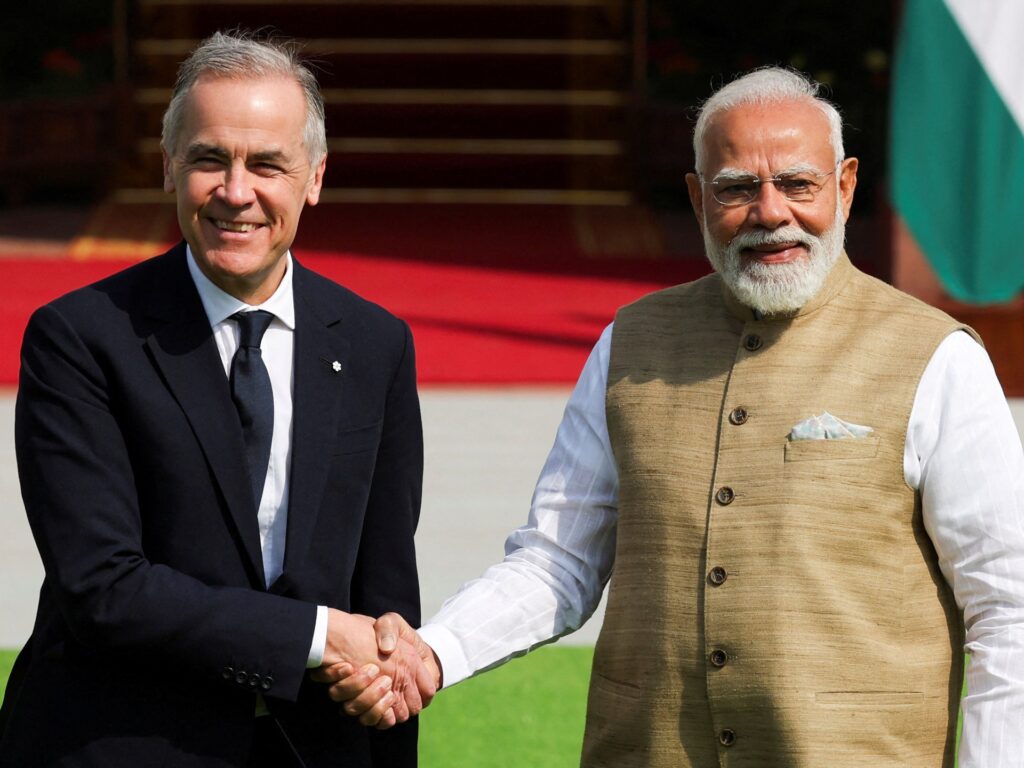
India and Canada are actively working towards establishing a robust trade pact by the end of the year, marking a significant milestone in their bilateral relations. During a recent high-profile meeting, Indian Prime Minister Narendra Modi hosted his Canadian counterpart, Mark Carney, where both leaders emphasized their mutual commitment to strengthening economic ties.
Prime Minister Modi projected that bilateral trade between the two nations could reach an impressive $50 billion by 2030, highlighting the growing economic partnership. This optimistic forecast was underpinned by ongoing negotiations aimed at removing trade barriers and enhancing market access for goods and services.
In addition to focusing on trade expansion, India and Canada have agreed on a strategic uranium deal, reflecting a deepening cooperation in the energy sector. This agreement is expected to bolster India’s nuclear energy capabilities by securing a reliable supply of uranium from Canada, known for its rich uranium reserves and established mining expertise.
The uranium deal signifies a shared interest in clean and sustainable energy, aligning with global efforts to reduce carbon emissions. By collaborating on nuclear energy, India aims to diversify its energy mix and support its growing energy demands with environmentally friendly sources.
Economic analysts view the proposed trade pact as a comprehensive framework that could open new avenues for investment and technology exchange. The pact may cover various sectors including technology, pharmaceuticals, agriculture, and manufacturing, fostering innovation and economic growth on both sides.
Both countries have expressed a desire to expedite the negotiation process to finalize the agreement within the stipulated timeline. This ambition underscores the strategic importance of the partnership in the evolving global economic landscape.
The agreement on uranium also represents a milestone in India’s quest for energy security. With the world’s expanding energy needs, securing stable sources of uranium is critical for maintaining and expanding India’s nuclear power projects.
Mark Carney, representing Canada, reiterated his country’s commitment to supporting India’s development goals and highlighted the mutual benefits of enhanced trade relations. The deal is also expected to create employment opportunities and stimulate economic activity in both countries.
The strategic partnership between India and Canada reflects a shared vision for sustainable growth, innovation, and prosperity. As both nations prepare to formalize these agreements, the global community watches keenly, recognizing the potential impact on regional and international economic dynamics.
In summary, the anticipated trade pact and uranium deal between India and Canada symbolize a new chapter in bilateral relations, promising significant economic and energy cooperation. With a target to reach $50 billion in trade by 2030, these initiatives reaffirm the commitment of both countries to foster a strong, mutually beneficial partnership.