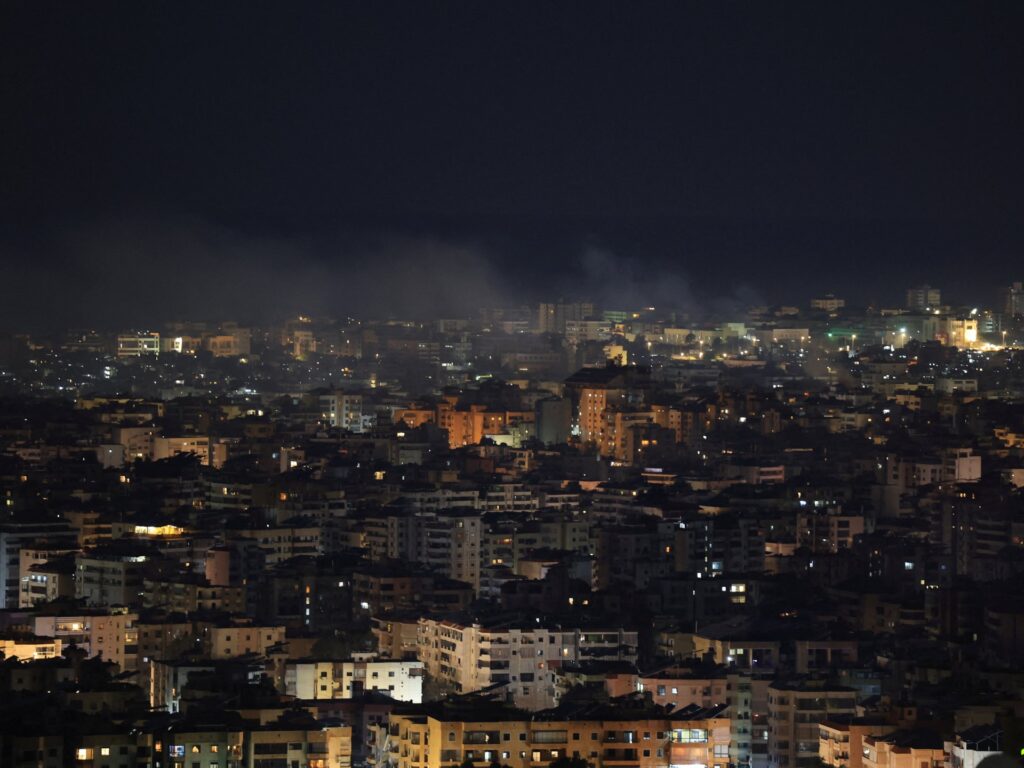
In a significant escalation of the ongoing conflict in the Middle East, Israel launched a strike on Beirut that resulted in the death of 31 people. This action came as a direct response to a rocket attack carried out by Hezbollah, the powerful Lebanese militant and political group, which targeted Israel.
Israel’s Defence Minister publicly stated that the leader of Hezbollah is considered a “target for assassination,” signaling a potential shift towards more targeted and possibly intensified military operations against the group. This declaration underscores the severity of the situation and the Israeli government’s firm stance against Hezbollah’s aggression.
The recent cycle of violence illustrates the fragile nature of peace in the region. Hezbollah’s rocket attack provoked a strong retaliatory response from Israel, which targeted locations in Beirut, Lebanon’s capital. This strike has not only caused significant loss of life but also heightened tensions between Israel and Lebanon, raising fears of broader conflict.
Israel has long accused Hezbollah of operating as a proxy for Iran and maintaining extensive militant capabilities that threaten Israeli security. The rocket attacks are viewed by Israel as unacceptable provocations that necessitate immediate and decisive counteractions.
The 31 casualties in Beirut mark one of the deadliest Israeli strikes in the Lebanese capital in recent years. The incident has drawn condemnation from various international bodies and human rights organizations, who urge both sides to exercise restraint and avoid further escalation.
Hezbollah, meanwhile, has vowed to continue its resistance against what it terms Israeli aggression, promising to retaliate further if provoked. This standoff has placed Lebanon in a precarious position, with its civilian population bearing the brunt of the violence.
Diplomatic efforts are underway to de-escalate the tensions. Regional powers and global actors have called for dialogue to prevent another full-scale war, which could have devastating consequences for the Middle East.
The situation remains highly volatile, with the risk of renewed fighting looming large. Observers warn that without a political resolution, the cycle of rocket attacks and retaliatory strikes may continue, further destabilizing the region.
This latest flare-up is a stark reminder of the need for sustained peace initiatives and the importance of addressing the underlying issues fueling the Israel-Hezbollah conflict.