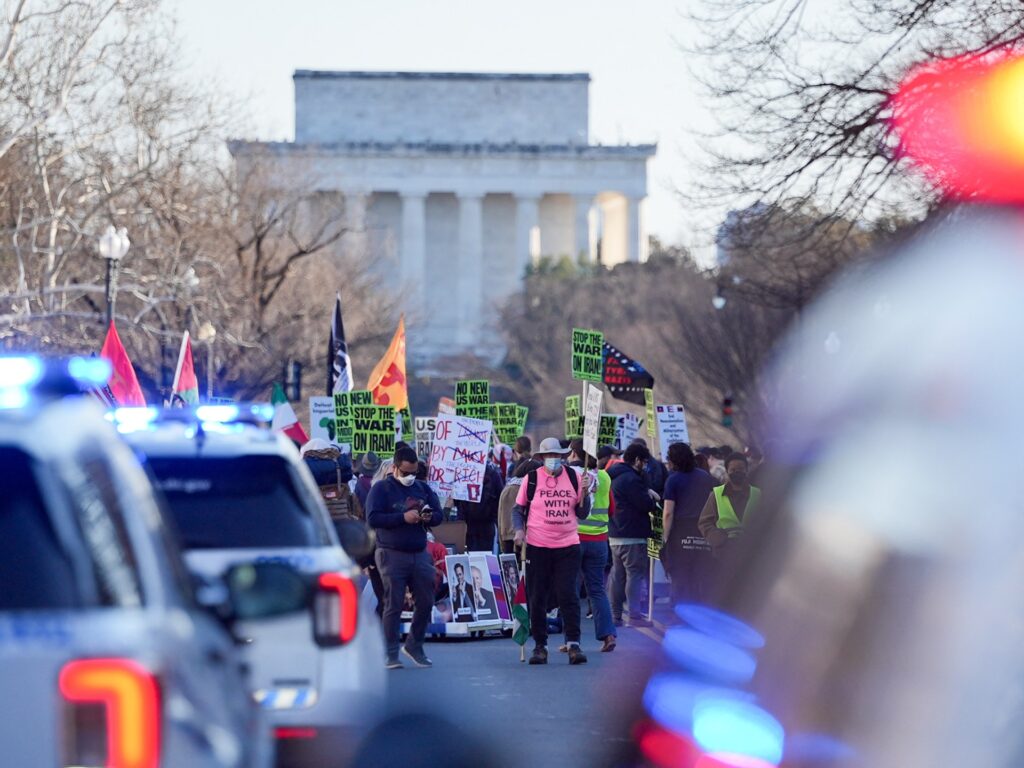
A recent poll has revealed that only about a quarter of Americans support attacks on Iran, highlighting a significant lack of public backing for military action against the country. This development comes at a critical time as US lawmakers intensify their calls for cautious approaches following the escalating conflict in the region.
The poll’s findings underscore a growing divide between public opinion and the aggressive stances taken by some political figures. The situation intensified after the killing of Iran’s top military commander, Qasem Soleimani, an event that has since triggered retaliatory actions and increased danger for American personnel overseas.
In the days following Soleimani’s death, the US suffered its first soldier casualties in the subsequent clashes, escalating concerns about the potential for a broader and more destructive conflict. These deaths have amplified pressure on President Trump and his administration from Congress members who are urging for a reassessment of the US’s military involvement in Iran.
Lawmakers from both parties are demanding greater transparency and deliberation before further military actions are taken. They stress the importance of diplomatic solutions and caution against impulsive military responses that could lead to unintended consequences. Several senators and representatives have called for legislative oversight to prevent unauthorized war measures.
The limited support among the American public for attacks on Iran reflects the widespread wariness about entering another prolonged conflict in the Middle East. Many citizens are concerned about the human cost and economic impact of military engagements, especially after years of ongoing wars in the region.
Experts suggest that the administration must balance deterrence with diplomacy to de-escalate tensions. The international community is also watching closely, as the repercussions of US-Iran clashes could have global economic and security implications.
This polling data may influence the political discourse in the US over the coming weeks, especially as new developments unfold in the volatile region. The administration faces a challenging path: responding to security threats while managing domestic and global expectations for peace and stability.
In summary, while the US government grapples with the consequences of Soleimani’s death and subsequent attacks, only a minority of Americans express willingness to support further military strikes on Iran. This sentiment, coupled with the recent loss of American lives, places significant pressure on the government to seek alternative strategies beyond armed conflict.
The evolving scenario demands careful policy decisions to avoid escalation, prioritize the safety of service members, and align with the public’s cautious stance on military intervention. As tensions remain high, all eyes will be on how US leadership navigates this critical juncture in international relations.