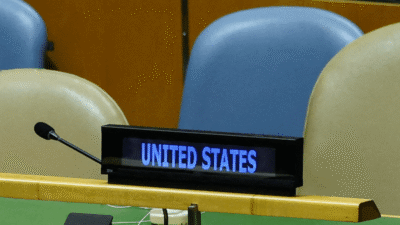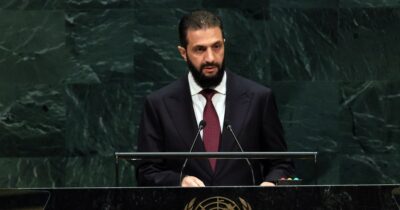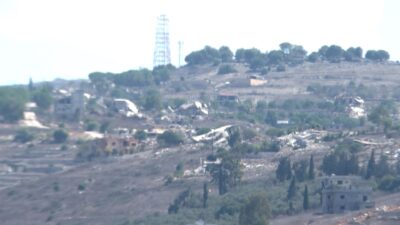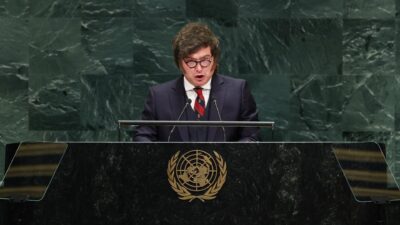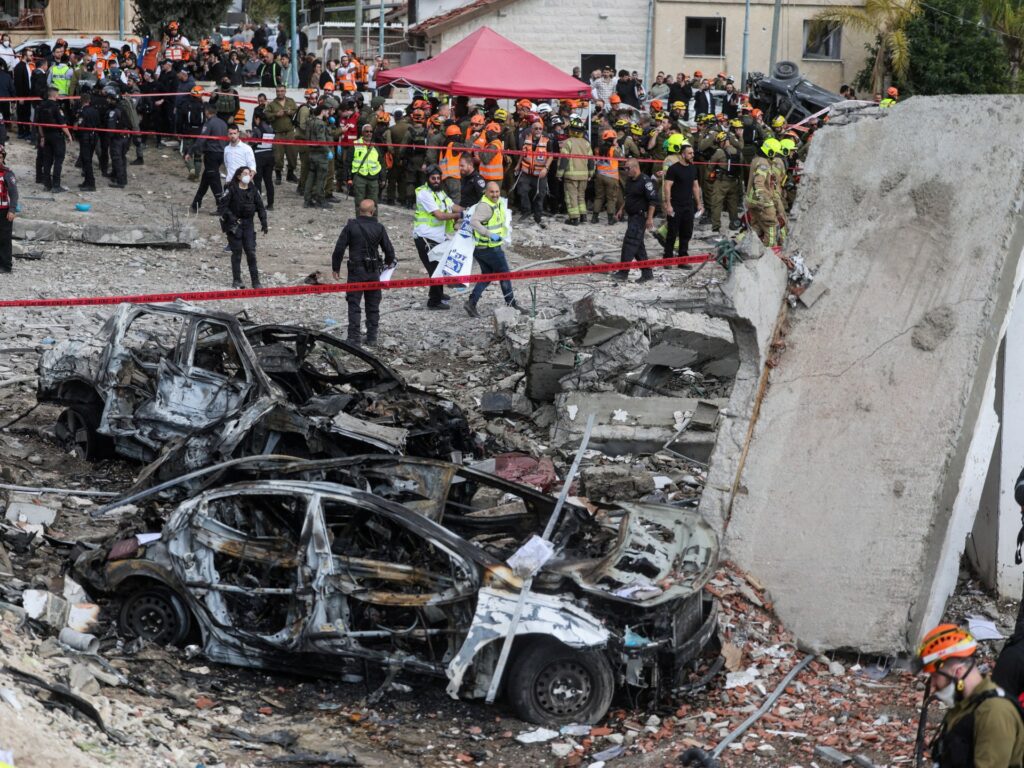
In a significant escalation of tensions in the Middle East, the United States and Israel have launched coordinated attacks on targets inside Iran. These military actions follow a series of aggressive incidents by Tehran against US assets in the region. The latest developments come as part of a broader conflict that has put the international community on high alert.
Former President Donald Trump has made a strong public statement vowing to avenge the deaths of three American soldiers. Emphasizing a firm stance, Trump declared that attacks on Iran will persist until all his stated objectives are fully achieved. This declaration underlines the seriousness with which the US government is treating the current crisis.
The backdrop of this conflict includes increased Iranian raids on US military installations and allied positions across the region. These raids have heightened fears of further instability and draw the US and Iran into a direct confrontation.
Israel, a close ally of the United States, participated in the joint attacks, marking a rare instance of explicit military cooperation between the two nations against Iran. The collaborative strikes targeted what officials described as strategic sites linked to Iran’s missile and nuclear programs.
Analysts warn that the ongoing tit-for-tat hostilities may spiral into a broader regional conflict if diplomatic efforts fail. The intensity and frequency of these attacks suggest a calculated strategy by the US and Israel to pressure Iran into curbing its military ambitions.
For Iran, the strikes represent a direct challenge to its sovereignty and regional influence. Tehran has vowed retaliation and vowed to continue its operations against what it terms foreign aggression, thus setting the stage for a prolonged conflict.
The international community watches closely as the situation unfolds, with many countries urging restraint and seeking ways to mediate tensions. The United Nations and various diplomatic channels are actively engaged in efforts to deescalate the conflict and prevent further loss of life.
The evolving dynamics in the region have significant implications for global security, energy markets, and diplomatic relations. The US and Israel’s resolve, as articulated by Trump, indicates a willingness to sustain military pressure on Iran, potentially reshaping the geopolitical landscape.
As the world monitors the impact of these attacks, the stakes remain high, with the potential for further casualties and a deepening crisis. The commitment voiced by Trump to avenge fallen soldiers reflects the human cost behind strategic decisions and the complex interplay of military and political objectives.
Moving forward, the situation demands careful navigation to avoid a larger scale war. The next steps taken by all involved parties will be crucial in determining whether peace can be restored or the conflict will escalate beyond control.