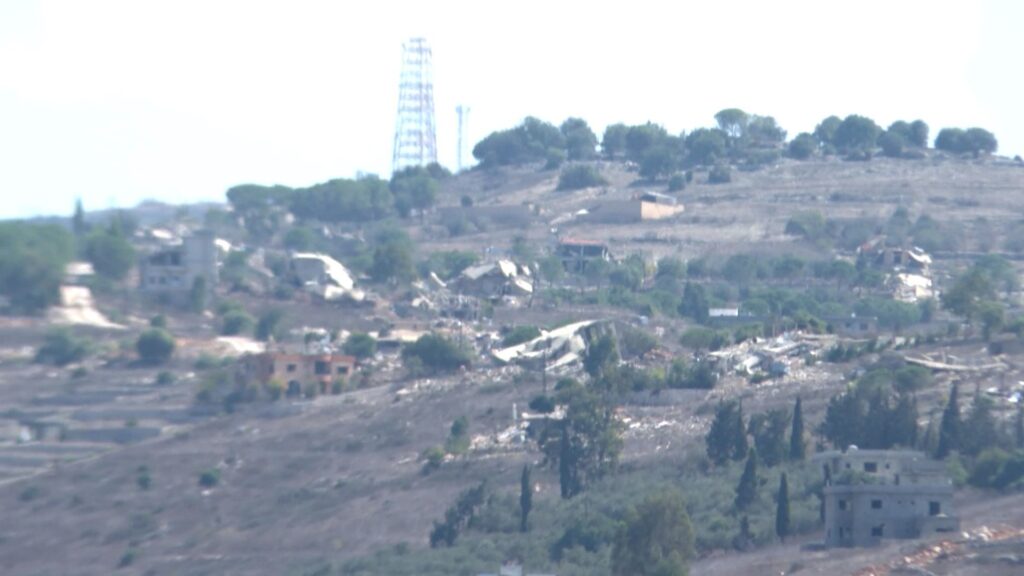
The escalating conflict between Israel and Lebanon has resulted in severe devastation along Lebanon’s border villages, leaving communities in ruins and residents grappling with loss and displacement. The intensity of the military actions has caused widespread destruction to homes, infrastructure, and local livelihoods, exacerbating an already precarious humanitarian situation in the region.
Border villages, once vibrant with agricultural and local trade activities, now face the challenge of rebuilding amid the ruins. The destruction has disrupted daily life for thousands of families who rely on the land for sustenance and economic activities.
Local officials and aid organizations report critical shortages of basic necessities such as food, clean water, and medical supplies. Access to emergency services remains limited due to damaged roads and infrastructure. Consequently, many residents have been forced to flee their homes seeking safety in other parts of Lebanon or neighboring countries.
The psychological impact on the affected populations is profound, with trauma from ongoing hostilities compounding the hardship of material loss. Schools and healthcare facilities along the border have been severely impacted, delaying access to education and health services for children and vulnerable groups.
International humanitarian agencies have called for increased support to assist displaced families and to help reconstruct vital infrastructure. These calls underscore the need for a sustained peace effort to prevent further destruction and to promote stability in the border regions.
The Lebanese government has pledged to prioritize reconstruction and rehabilitation efforts for the war-torn border areas, emphasizing the resilience of its citizens and their determination to recover. However, significant challenges remain, including securing adequate funding and navigating political complexities affecting relief operations.
Despite ongoing tensions, local communities have shown remarkable solidarity and resourcefulness, organizing grassroots initiatives to provide aid and promote resilience among residents. These efforts highlight the human spirit’s endurance even in the face of conflict and devastation.
As diplomatic efforts continue to seek a resolution, the international community’s role remains crucial in supporting Lebanon’s recovery and preventing further escalation. The situation at the border serves as a stark reminder of the human cost of the conflict and the urgent need for sustainable peace and reconstruction strategies.
In conclusion, the destruction wrought by the conflict has left Lebanon’s border villages in dire conditions, requiring immediate humanitarian attention and long-term commitment to rebuilding and peacebuilding. The resilience of affected communities and the dedication of aid organizations offer hope for recovery, but much remains to be done to restore stability and normalcy to this vulnerable region.