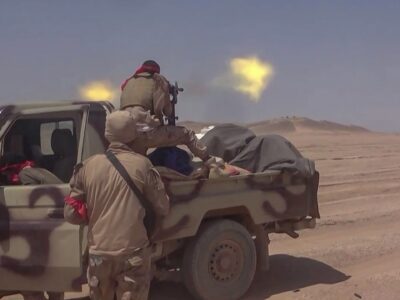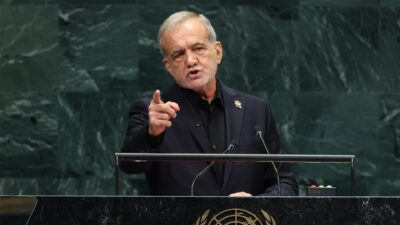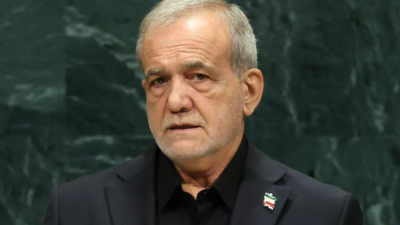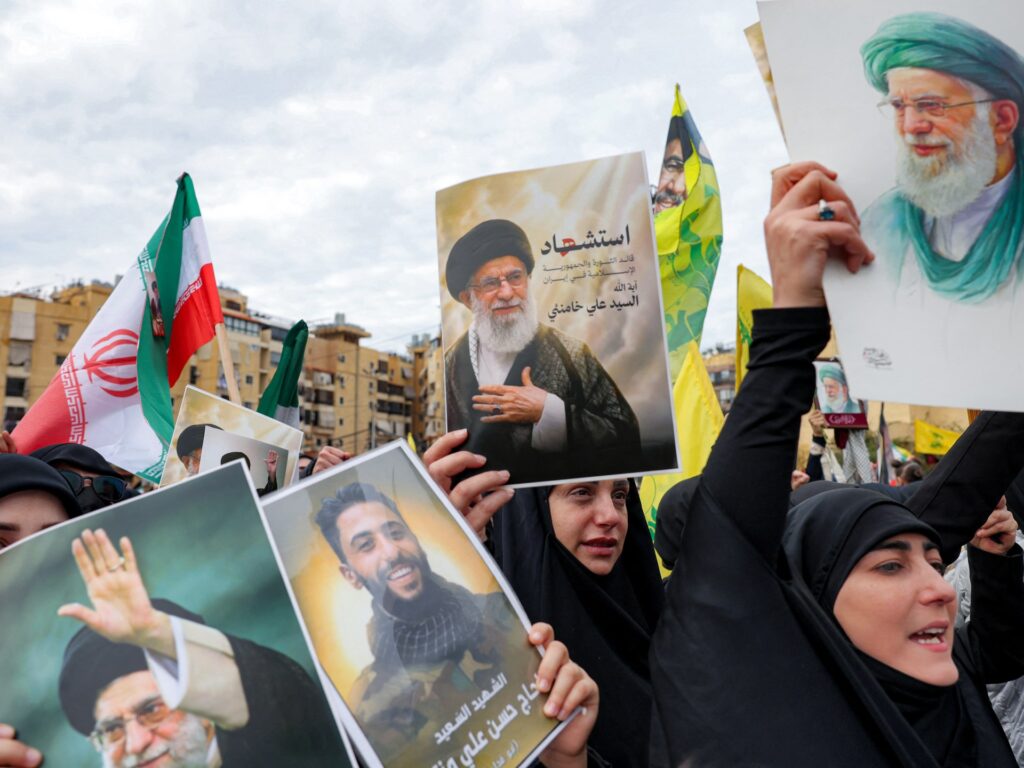
Hezbollah, the Lebanese armed group, has promised to confront the United States and Israel in response to the killing of Iranian leader Ayatollah Ali Khamenei. Despite the violent attacks launched on Iran beginning on Saturday, Hezbollah has not yet taken any direct action against either US or Israeli targets. The group’s commitment signals potential future escalations in the volatile region, reflecting the deep and ongoing tensions between these key Middle Eastern players.
The situation started to intensify after the killing of Khamenei, which has triggered widespread outrage among Iran and its allies. Hezbollah, long considered a proxy for Iranian interests in Lebanon and the broader Middle East, has now declared its readiness to face off against those it holds responsible—the US and Israel. This statement underscores the increasingly complex geopolitical dynamics at play.
Hezbollah’s promise comes amid ongoing military and political developments in the region, where both the US and Israel maintain significant strategic interests. Historically, the group has engaged in numerous conflicts with Israel and has been supported and armed by Iran. However, since the recent attacks on Iran began, Hezbollah has remained notably inactive against these adversaries.
Experts suggest the group’s restraint so far could be tactical, possibly waiting for the right moment to respond or coordinating with Iranian leadership on a broader strategy. The promise to confront suggests a readiness to escalate hostilities, which could lead to heightened instability in the Middle East, affecting global security and energy markets.
Analysts warn of the potential consequences of further confrontation, emphasizing the risk of a wider regional conflict involving multiple state and non-state actors. The international community is closely monitoring the situation, urging restraint and diplomatic efforts to prevent the conflict from spiraling further.
Meanwhile, Hezbollah’s declarations reflect the persistent animosities rooted in historical and ideological disputes. The group’s alignment with Iran and opposition to US and Israeli policies remain central to its identity and strategic goals.
As events continue to unfold, the world watches with concern the implications that Hezbollah’s promised confrontation may have on peace and stability in a region already fraught with decades of conflict. The coming days and weeks will be critical in determining whether this rhetoric leads to tangible actions or if diplomacy will prevail in de-escalating tensions.