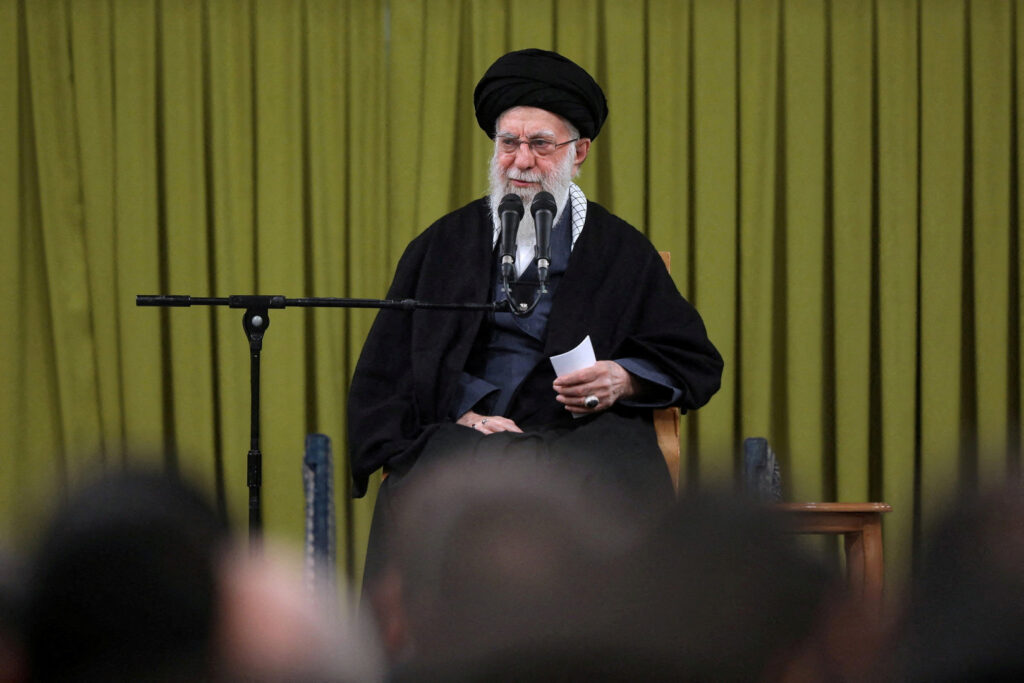
FILE PHOTO: Iran's Supreme Leader Ayatollah Ali Khamenei speaks during a meeting in Tehran, Iran, February 1, 2026. Office of the Iranian Supreme Leader/WANA (West Asia News Agency)/Handout via REUTERS ATTENTION EDITORS - THIS PICTURE WAS PROVIDED BY A THIRD PARTY./File Photo
In a shocking development, US President Donald Trump announced that Iran’s Supreme Leader, Ayatollah Ali Khamenei, was killed in recent joint US-Israeli military strikes. The announcement, made publicly by Trump, marks a significant escalation in the already fraught relations between the United States and Iran.
Ayatollah Ali Khamenei has long been a central figure in Iranian politics and religious leadership, holding the position of Supreme Leader since 1989. His influence extends deeply into Iran’s domestic affairs and foreign policy decisions, making this reported killing a pivotal moment.
The joint strikes reportedly targeted strategic locations within Iran, focusing on what the US and Israel described as critical threats and military assets tied to Iran’s nuclear and missile programs. The reported death of Khamenei comes amid heightened tensions following years of sanctions, proxy conflicts, and diplomatic standoffs.
Details on the exact timing and locations of the strikes remain somewhat unclear, as both governments have withheld comprehensive information, citing operational security. However, US officials have stated that the operation was meticulously planned and executed with precision.
The ramifications of Khamenei’s reported death are expected to ripple through regional geopolitics. Iran’s Supreme Leader holds not just political authority but also spiritual and ideological leadership, and his removal could lead to significant instability within Iran and among its allies.
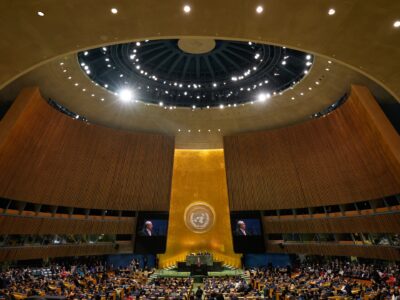
Reactions from the international community have been swift yet cautious. Several nations have called for restraint and de-escalation to avoid triggering a wider conflict in the Middle East. The United Nations has urged all parties to engage in diplomatic dialogue to resolve the crisis peacefully.
Iranian officials have yet to confirm or deny the president’s claims, and the situation on the ground remains fluid. Analysts warn that this event could lead to retaliatory acts by Iranian forces or affiliated militias, potentially jeopardizing the security of U.S. allies in the region.
The US administration is closely monitoring the situation and has promised to take all necessary steps to protect American personnel and interests abroad. President Trump emphasized that the action was taken in defense of US national security and the safety of its citizens.
Experts suggest that the death of Khamenei could open a power struggle within Iran’s ruling elite, with possible implications for the country’s nuclear ambitions and regional policies. The next few days will be critical in observing how Iran’s leadership responds to this unprecedented development.
This event marks one of the most significant escalations in US-Iran relations in recent years, raising fears of a broader conflict if diplomatic efforts do not prevail. Global markets and political observers are closely watching the developments, knowing that any further military action could have wide-reaching consequences worldwide.
Meanwhile, citizens across the Middle East are expressing concern and uncertainty about the future stability of the region. Many are calling for peace and cautioning against actions that could worsen the humanitarian situation.
As new information emerges, the world waits to see how these dramatic events will reshape the geopolitical landscape and the future interactions between these powerful nations.