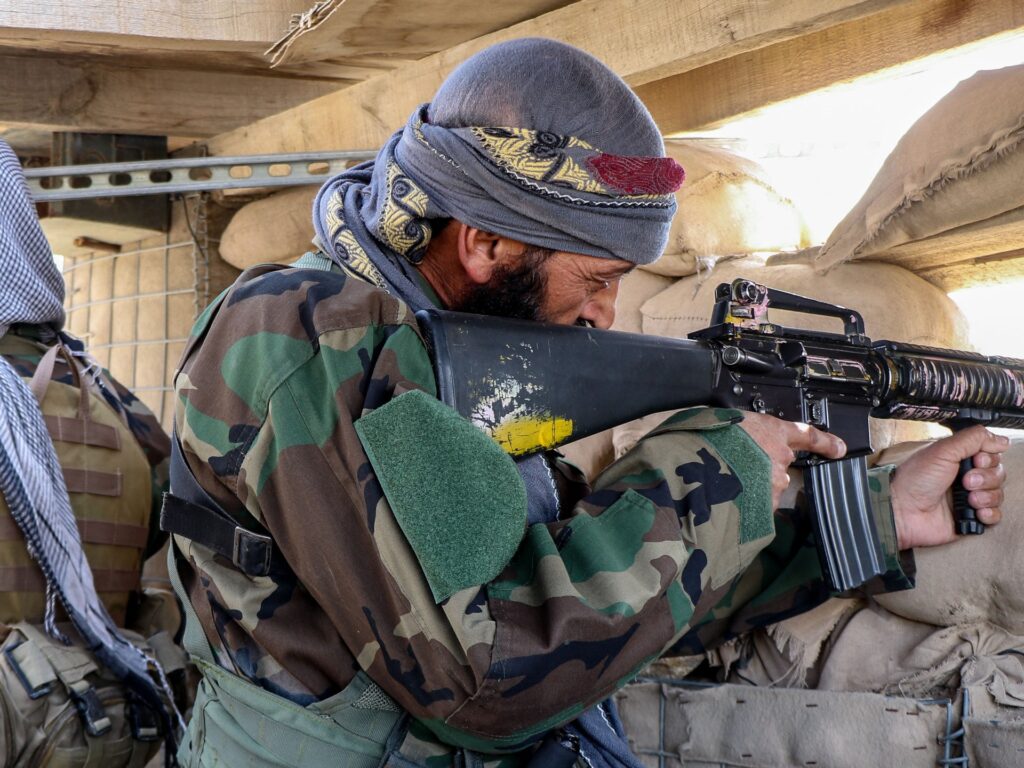
Tensions between Pakistan and Afghanistan have escalated sharply as both nations released conflicting death tolls from recent cross-border attacks, further complicating an already fragile relationship. The dispute arises amid an ‘open war’ atmosphere along the shared border, with each country accusing the other of aggression and human rights violations.
According to Pakistani officials, the death toll in their territory due to Afghan attacks stands significantly higher than reported by Afghanistan. Conversely, Afghan authorities have provided their own differing figures, stating that numerous Pakistani military personnel and civilians have been casualties in the ongoing confrontations.
This conflicting data reflects deep mistrust between the two nations. Both sides have accused each other of inflating or downplaying casualties for propaganda purposes, aiming to sway international opinion and justify military actions. The lack of neutral reportage from independent observers makes it difficult to ascertain the true scale of loss on either side.
The cross-border violence has its roots in complex political and ethnic tensions, with border tribes often caught in the crossfire. Moreover, militant groups exploiting the porous frontier exacerbate instability by launching attacks and retreating across borders, complicating peace efforts.
International diplomatic efforts to mediate have so far failed to bring de-escalation. The United Nations and regional powers have urged restraint and dialogue, emphasizing the devastating human cost of continued hostilities.
Civilian populations on both sides suffer heavily during these clashes, with reports of displaced communities, disrupted livelihoods, and destroyed infrastructure. Humanitarian agencies warn of worsening crises if peace is not restored quickly.
Experts suggest that without transparent investigations and cooperation between Pakistan and Afghanistan, resolving the conflict and clarifying the true death tolls will remain elusive. Both countries are urged to engage in open communication and allow independent monitoring to prevent further loss of life.
This ongoing conflict highlights the broader geopolitical challenges in the region, where historical grievances, border disputes, and security concerns intersect. The path to peace will require mutual trust-building measures, respect for sovereignty, and a commitment to human rights.
In summary, the contradictory death tolls recently released by Pakistan and Afghanistan exemplify the deep-seated tensions and mistrust fueling an open war between the two nations. Resolving these conflicting narratives is crucial for de-escalation and the restoration of regional stability.