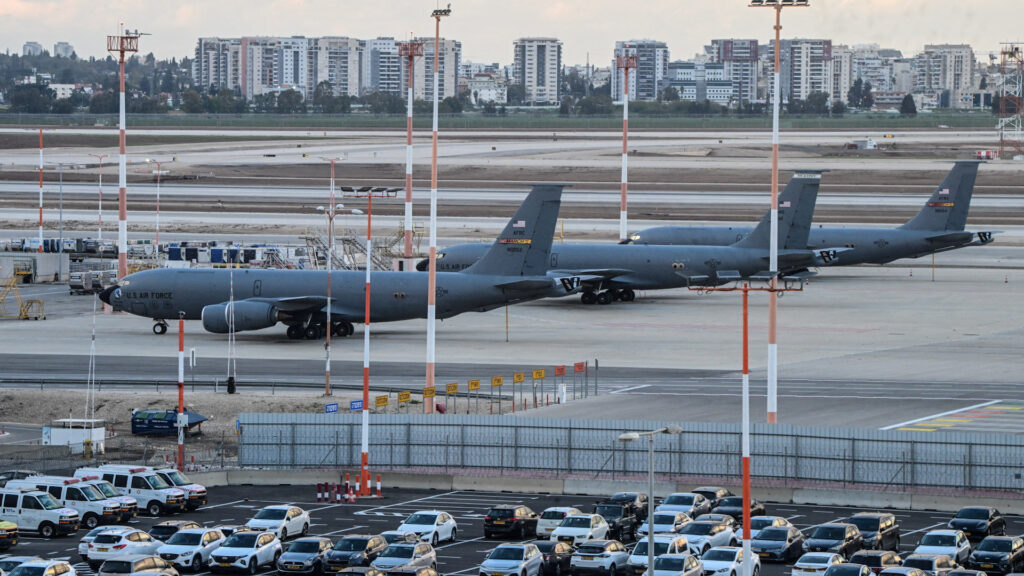
Ben Gurion Airport, Israel’s primary international gateway, is notorious for its rigorous and invasive security protocols that affect many travellers, especially Palestinians, journalists, and other specific groups. These security checks are not brief superficial screenings; rather, they often involve prolonged interrogations, confiscations, and a deep probing into personal lives, raising significant concerns over human rights and civil liberties.
The security procedures at Ben Gurion go beyond standard customs and immigration checks found in many countries. For Palestinians, these routine security screenings can become harrowing interrogations that last hours, sometimes resulting in denied entry or deportation. The process is marked by an atmosphere of suspicion and distrust, often leaving individuals feeling humiliated and targeted solely based on their identity or profession.
Journalists are among those subjected to intensive scrutiny. Their devices, such as phones and laptops, are frequently searched for sensitive information, with officers demanding access to personal data, contacts, and unpublished materials. This practice is widely criticized as it hampers press freedom and can compromise sources’ confidentiality.
Other travellers, especially those with Middle Eastern backgrounds or dual nationalities, may also experience prolonged questioning about their reasons for travel, political beliefs, family ties, and social networks. The information gleaned during these interrogations can be stored and used in ways that are opaque to those being questioned.
Critics argue that these invasive security measures lack transparency and adequate judicial oversight. The Israeli authorities defend the procedures, citing them as necessary precautions to prevent attacks and maintain national security. However, the balance between security and human rights remains a contentious issue.
Human rights organizations have documented numerous cases where Palestinians and journalists were detained without clear reasons, subjected to psychological pressure, and denied access to legal counsel. These practices contribute to a climate of fear and self-censorship.
International bodies have called upon Israel to ensure that security practices respect international human rights standards, urging the implementation of fair procedures, accountability, and mechanisms to challenge wrongful treatment.
The experiences at Ben Gurion Airport highlight broader issues related to national security, freedom of movement, and the right to privacy. The intense and invasive nature of these security checks raises critical questions about the cost of security measures and their impact on individuals’ dignity and rights.
As travel continues to globalize, and security concerns remain paramount, it is essential to seek a balance where safety does not come at the expense of fundamental freedoms. Ben Gurion Airport’s security regime serves as a case study of the complexities and challenges faced in modern security enforcement, especially within politically charged contexts.
This article sheds light on the realities faced by those passing through Israel’s main airport and invites a broader discussion about safeguarding security while respecting human rights and democratic principles.