In a dramatic escalation of regional tensions, Pakistan has launched strikes on Kabul, marking a significant turn in the conflict between the two neighboring countries. Following days of heightened hostilities, Pakistan has declared what it terms an ‘open war’ on Afghanistan, signaling a new phase of direct confrontation. The developments have alarmed international observers and raised concerns about the stability of the already fragile region.
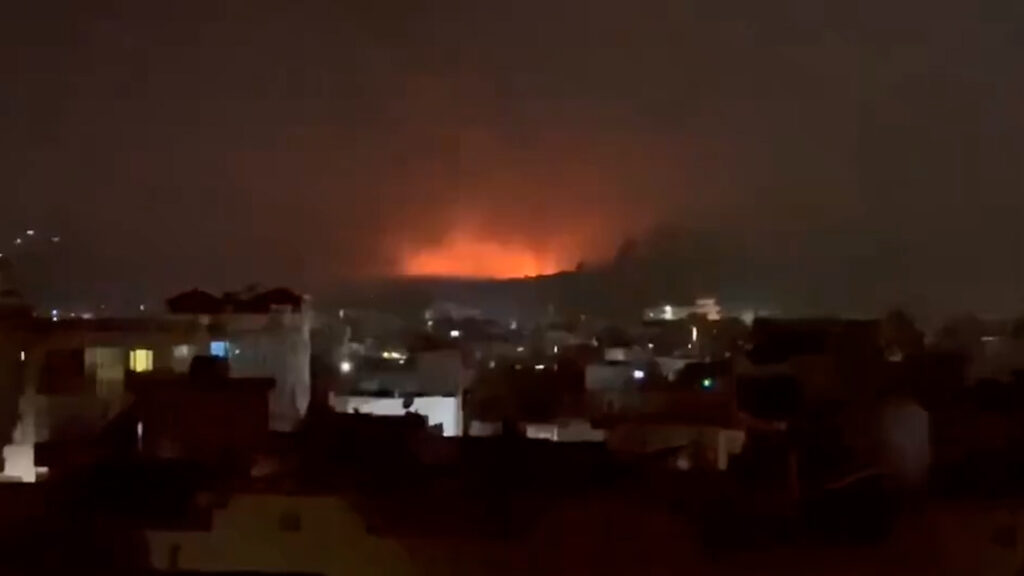
The recent strikes on Kabul represent a serious intensification of conflict, moving beyond border skirmishes and proxy confrontations. Officials from Pakistan’s military have indicated that the strikes were retaliatory actions aimed at what they describe as sustained attacks emanating from Afghan territory. The government in Islamabad has stated that these military operations are necessary to protect its national security interests.
Afghanistan, which has been battling internal strife and the complex challenges posed by various militant groups, now faces external aggression from its neighbor. The Afghan government has condemned the strikes, calling them violations of sovereignty and an escalation that will inevitably worsen the security situation. The clashes that preceded the strikes reportedly involved armed engagements along the border areas, contributing to a rapid deterioration of bilateral relations.
Analysts suggest that the conflict emanates from long-standing tensions related to cross-border militancy, refugees, and political disputes. Pakistan accuses Afghanistan of harboring extremist elements who carry out attacks on Pakistani soil, a charge Kabul denies or downplays. The open war declaration underscores how diplomatic efforts have failed to resolve these complex issues.
The international community has reacted with concern, urging both sides to de-escalate the confrontation and return to dialogue. The risk of a broader conflict spreading instability across South Asia is high, especially given the strategic importance of both nations and their proximity to other volatile regions.
The humanitarian impact of the conflict is also a key concern. The strikes in Kabul have reportedly caused casualties and damage to civilian infrastructure, exacerbating the plight of ordinary citizens who have already endured years of conflict. Refugee flows and displacement could increase, compounding the challenges faced by aid organizations and neighboring countries.
Security experts warn that continued fighting could lead to a larger regional conflict involving other stakeholders. The necessity for urgent diplomatic engagement and peace-building efforts is evident to prevent further bloodshed and instability.
In summary, Pakistan’s recent strikes on Kabul and the proclamation of an ‘open war’ against Afghanistan mark a troubling escalation in a long-standing conflict. The international community watches closely as both nations grapple with their deep-rooted issues, hoping for a resolution that avoids protracted war and fosters lasting peace in the region.