In a significant escalation of hostilities, Kabul has been subjected to bomb attacks as Pakistan officially declared an ‘open war’ on Afghanistan. This development comes amid a sharp increase in border clashes, with both Pakistani and Afghan officials announcing full-scale military operations in the ongoing conflict.
The region has been fraught with tension for years, with sporadic violence along the Afghanistan-Pakistan border. However, the recent intensification marks a worrying shift, potentially destabilizing the already fragile security situation in South Asia.
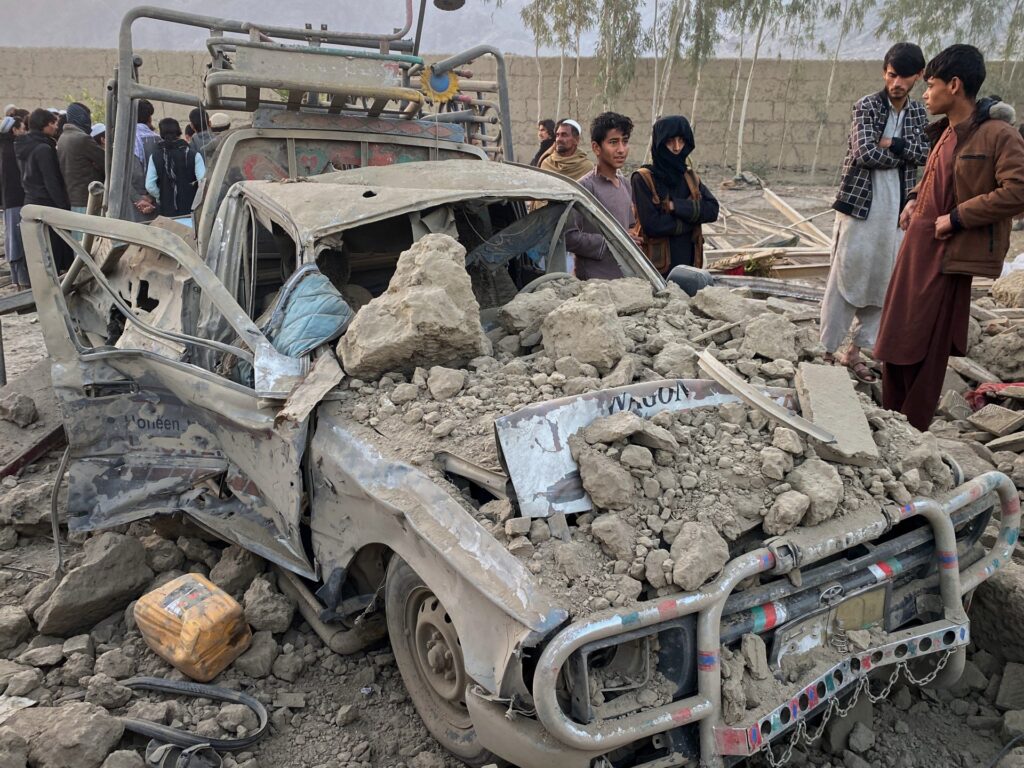
According to reports, the Pakistani military launched targeted strikes against what it describes as militant bases within Afghan territory. These strikes have reportedly resulted in significant casualties and destruction.
Afghan officials have condemned the attacks, calling them acts of aggression and violation of sovereignty. They have vowed to respond decisively to protect their nation’s integrity and citizens.
Both governments cite security concerns and accuse each other of harboring militants who carry out cross-border attacks. The escalation underscores the deep-rooted mistrust and animosity between the two countries.
International observers have expressed alarm at the growing conflict, urging restraint and dialogue.
The bombing of Kabul, a city that has endured decades of war and instability, raises fears of a renewed and intensified conflict that could have severe implications for regional and international security.
Experts suggest that the conflict could exacerbate humanitarian crises, displace more civilians, and disrupt efforts toward peace and development in Afghanistan.
Neighboring countries and international stakeholders are watching the situation closely, with calls for urgent diplomatic engagement to de-escalate tensions.
This surge in military operations has disrupted lives along the border areas, with reports of casualties among civilians and damage to infrastructure.
The border clashes have seen the use of artillery, aerial strikes, and ground operations, indicating the scale and seriousness of the confrontation.
Pakistan’s declaration of ‘open war’ is unprecedented in recent history and signals a possible long-term conflict.
Afghanistan’s leadership has called for support from the international community, emphasizing the need for solidarity in facing external aggression.
Humanitarian groups warn of worsening conditions for displaced populations and increased difficulty in delivering aid amidst the fighting.
Analysts note that the conflict’s roots are complex, involving historical disputes, ethnic dynamics, and geopolitical interests.
Both Kabul and Islamabad face internal pressures that may influence their military strategies and political posturing.
The global community remains hopeful for a peaceful resolution, considering the profound impact prolonged conflict could have on regional stability.
Diplomatic channels remain open, but there is skepticism about the willingness of both parties to engage in meaningful peace talks amid ongoing violence.
The bombing of Kabul marks a critical juncture in Afghanistan-Pakistan relations, with potential ramifications for future cooperation and peace.
It is imperative for the international community to intensify efforts to mediate and facilitate dialogue to prevent further escalation.
The evolving situation demands continuous monitoring as developments unfold rapidly.
The coming days will be pivotal in determining whether this conflict spirals into a broader war or moves towards de-escalation through diplomatic means.