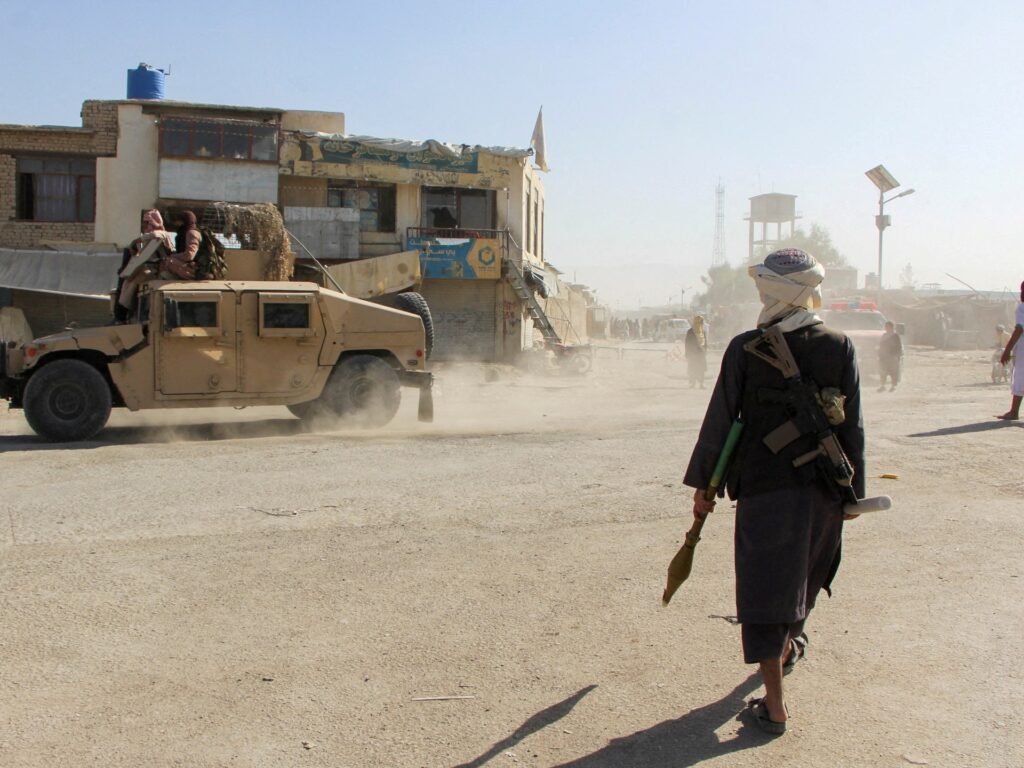
In a recent escalation of tensions between Afghanistan and Pakistan, Afghan forces have launched attacks on several border outposts, intensifying the longstanding disputes between the two neighboring countries. According to a source from the Afghan military speaking to Al Jazeera, the Afghan forces successfully captured 13 border posts during the operations. These actions have led to an immediate military response from Pakistan, further escalating the situation along the volatile border region.
The border between Afghanistan and Pakistan, known as the Durand Line, has been a contentious area for decades, with frequent skirmishes and accusations from both sides regarding incursions and violations. The recent developments mark one of the most significant military confrontations in recent times, raising concerns about the potential for a larger conflict.
Afghan military sources have claimed that the coordinated attacks were in response to continued provocations and incursions by Pakistani forces into Afghan territory. They argue that these actions were necessary to defend their sovereignty and protect their people from cross-border aggression. The capture of the 13 posts, they say, represents a tactical success aimed at establishing better control over the contested border areas.
Conversely, Pakistan’s government has outright denied the claims of any territorial loss or capture of posts by Afghan forces. Pakistani officials have described the reports as misinformation or exaggeration, stating that their military remains in control of all border outposts. They have vowed to protect the integrity of their borders and respond firmly to any aggressive acts from Afghanistan.
The immediate response from Pakistan included the deployment of additional troops to the border region and increased surveillance activities to prevent further escalations. Military analysts suggest that both sides are engaging in a display of strength, hoping to deter further hostilities while leveraging international support.
This conflict must be viewed in the larger context of the fragile political and security situation in both countries. Afghanistan continues dealing with internal instability and the lingering effects of years of war, while Pakistan faces its own challenges with domestic terrorism and regional security issues.
International communities and neighboring countries have called for calm and dialogue, urging both Afghanistan and Pakistan to resolve their disputes through peaceful negotiations rather than military confrontations. The risk of a full-scale conflict not only threatens regional stability but also impacts global efforts toward peace in South Asia.
The situation remains fluid, with developments continuing to unfold along the border. Both countries have been advised to exercise restraint and prioritize diplomatic channels to avoid further bloodshed and strife.
The capture and control of border outposts are symbolic and strategic, reflecting the ongoing struggle for influence and security in a geopolitically sensitive area. As both nations hold firm on their positions, the international community watches closely, hoping for a resolution that will prevent further escalation and promote lasting peace.