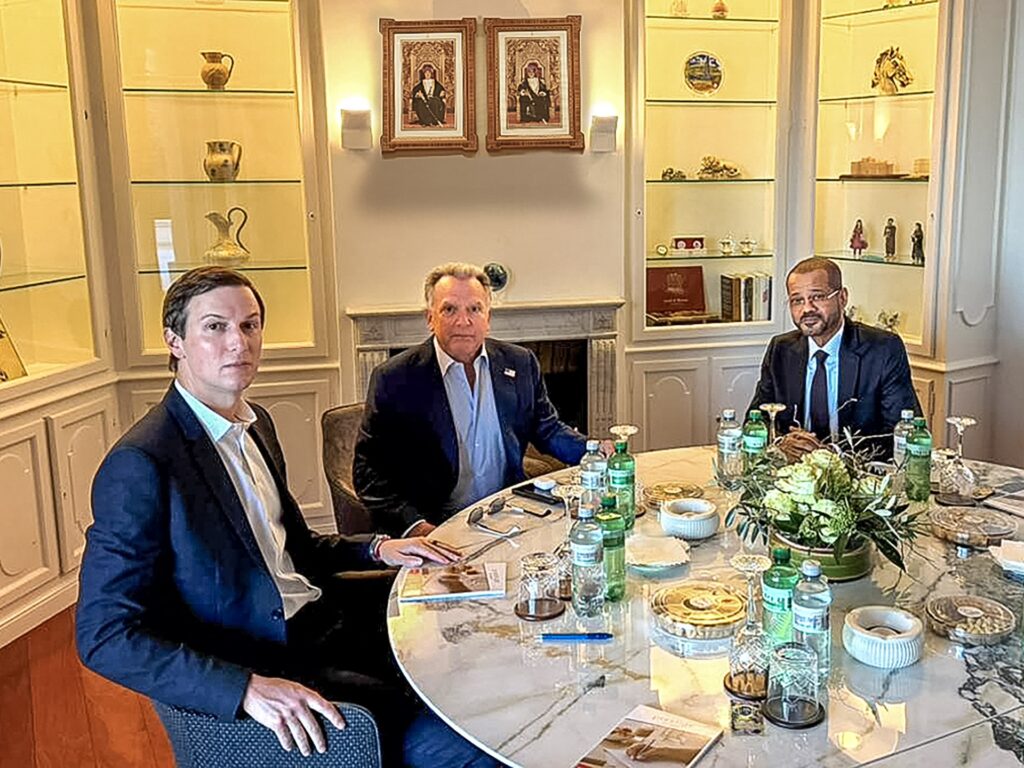
The third round of indirect US-Iran nuclear negotiations has commenced in Geneva, marking a critical phase in ongoing efforts to revive the Iran nuclear deal. These talks come at a time of heightened tensions, underscored by a substantial U.S. military build-up in the Middle East, reflecting the complex geopolitical environment that frames these discussions.
Since the initial agreement in 2015, which limited Iran’s nuclear program in exchange for sanctions relief, efforts to restore compliance have faced numerous hurdles. The U.S. withdrawal from the deal in 2018 and subsequent reimposition of sanctions escalated tensions, prompting Iran to scale back its commitments. The current negotiations aim to bridge these gaps, with indirect talks mediated by European diplomats facilitating dialogue between Washington and Tehran.
The Geneva talks are characterized by cautious optimism amidst a backdrop of regional volatility. Key issues on the table include Iran’s uranium enrichment levels, sanctions relief measures, and verification protocols. Both sides have expressed a desire to reach a mutually acceptable framework that can prevent nuclear proliferation and ease economic pressures.
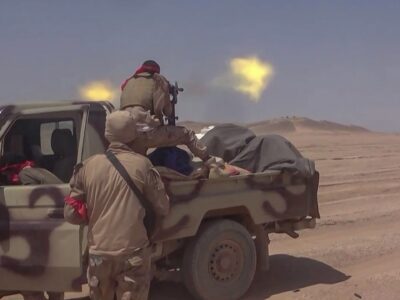
However, the recent U.S. military deployment to the Middle East, including additional troops and advanced weaponry, signals a readiness to counter potential threats and may influence the negotiating dynamics. This build-up is widely seen as a response to intelligence assessments of possible Iranian-backed activities in the region.
Experts note that the success of the talks depends on the ability of negotiators to balance strategic interests with diplomatic flexibility. The indirect nature of the dialogue means that subtle messaging and trust-building measures are crucial for progress.
As the negotiations unfold, international observers are closely monitoring developments, hopeful that a resolution can be achieved to prevent further destabilization in the Middle East. The outcome of these talks will not only impact regional security but also broader global non-proliferation efforts.
In summary, the restart of US-Iran nuclear negotiations in Geneva represents a significant diplomatic endeavor amidst a tense security environment. With both sides navigating a complex array of challenges, the world watches keenly for any breakthrough that could restore a landmark framework for peace and stability.