In a recent statement that has heightened tensions on the Korean Peninsula, North Korean leader Kim Jong Un delivered a strong warning to South Korea, urging the United States to end what he described as hostile policies against Pyongyang. Kim emphasized that North Korea is determined to solidify its status on the international stage through its development and possession of nuclear capabilities.
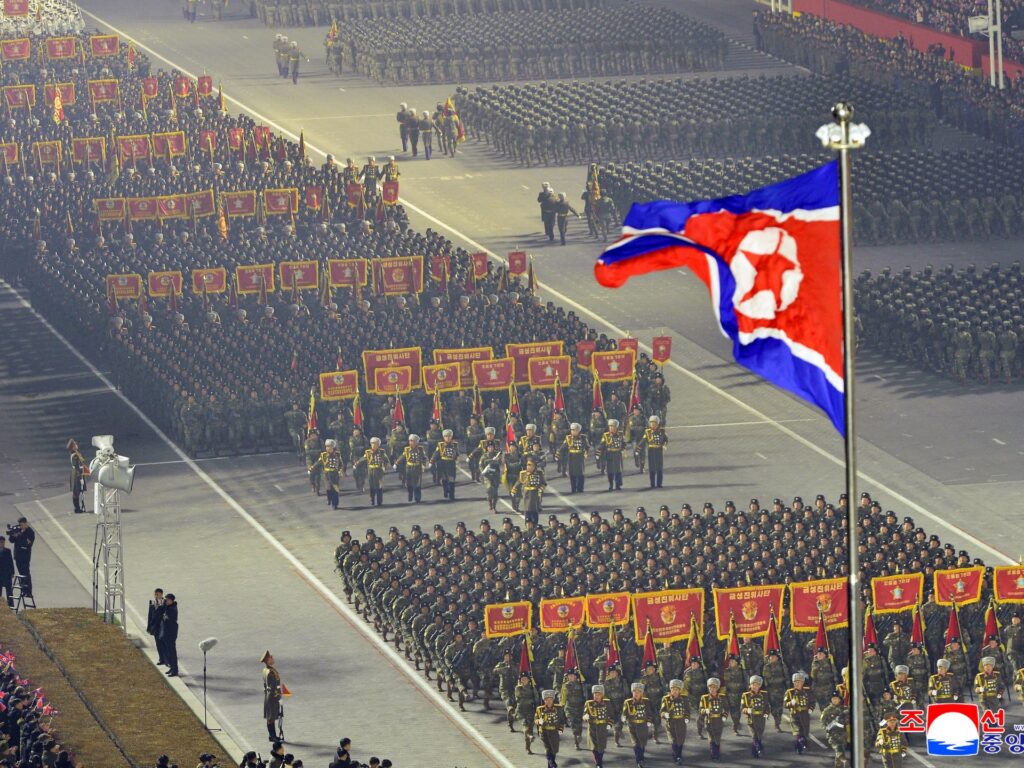
During the address, Kim underscored Pyongyang’s commitment to strengthening its defense mechanisms, particularly its nuclear arsenal, viewing it as a crucial element for maintaining national security and asserting its sovereignty. He criticized ongoing military exercises conducted by South Korea and the US, regarding them as provocations that threaten peace in the region.
The North Korean leader’s remarks come amid a backdrop of strained inter-Korean relations and stalled diplomatic efforts aimed at denuclearization and peace-building on the peninsula. Kim’s message signals Pyongyang’s firm stance against external pressures and a preference for recognition of its nuclear status as a bargaining chip in international affairs.
Analysts suggest that this declaration could lead to heightened military alertness in South Korea and its allies, potentially prompting a reassessment of defense strategies in response to North Korea’s ongoing missile tests and nuclear development programs.
The call for the United States to cease hostility reflects a broader narrative from Pyongyang, framing its nuclear weapons not just as defense tools but as a means for gaining leverage and respect in global diplomacy. The statement also stresses North Korea’s resolve to proceed with its nuclear ambitions despite international sanctions and condemnation.
Experts note that the international community faces a continuing challenge in addressing North Korea’s nuclear aspirations while seeking peaceful solutions through dialogue and negotiation. The tension underscores delicate geopolitical dynamics in East Asia, involving various stakeholders including China, Japan, and Russia, all of whom have a vested interest in regional stability.
This recent warning from Kim Jong Un serves as a reminder of the persistent volatility in the region and the critical need for renewed diplomatic engagement to prevent escalation. As North Korea steadfastly pursues its strategic objectives, the global community watches closely, balancing deterrence and diplomacy to maintain peace and security on the Korean Peninsula.