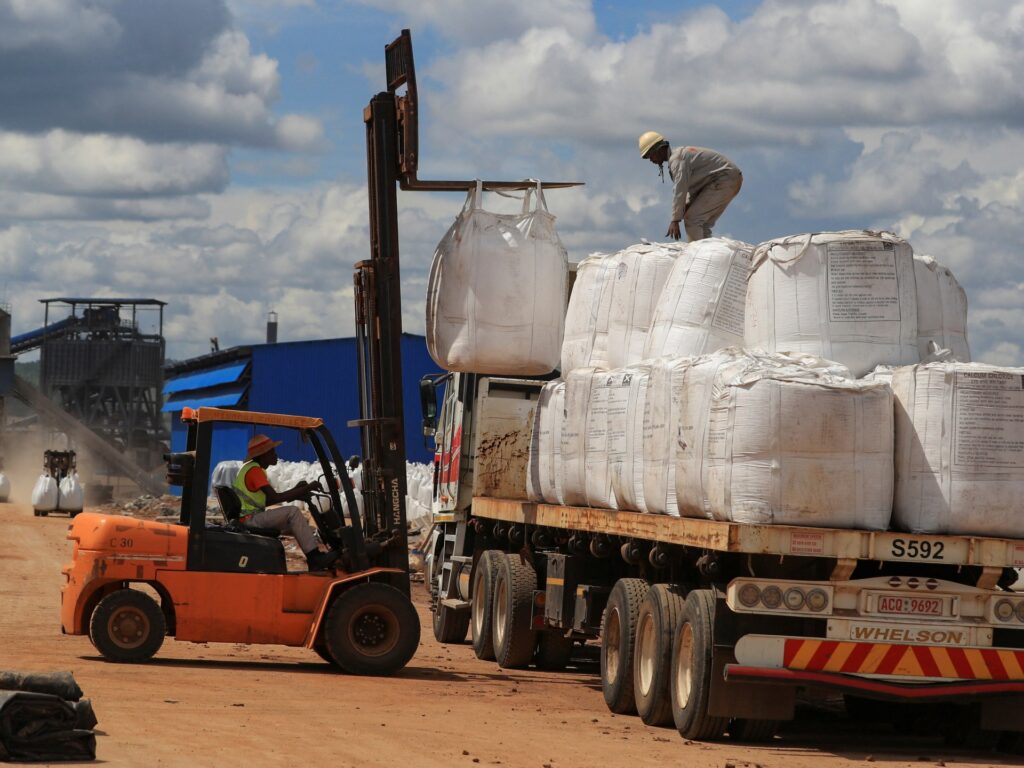
Zimbabwe has announced an immediate ban on the export of all raw minerals, including lithium concentrate. This sweeping prohibition affects all raw minerals already in transit and will remain enforced until further notice. The decision marks a significant shift in the country’s mineral export strategy, aiming to prioritize domestic processing and add value within Zimbabwe before reaching international markets. The ban reflects Zimbabwe’s objectives to strengthen its local industries, increase revenue capture from mineral resources, and foster economic development through beneficiation. Authorities have stated that this move is designed to encourage investment in downstream processing facilities, create employment opportunities, and enhance the sustainability of the mining sector. The minerals sector is critical to Zimbabwe’s economy, contributing significantly to GDP and foreign exchange earnings. However, previous reliance on raw mineral exports limited the potential benefits for the country. By restricting exports of unprocessed minerals, Zimbabwe hopes to stimulate growth in local mineral processing industries, leading to more extensive economic benefits. The inclusion of lithium concentrate in the ban is particularly noteworthy given the global rise in demand for lithium, driven by the expanding electric vehicle and battery storage markets. Zimbabwe hosts substantial lithium deposits, positioning it as a critical player in the global supply chain. This export ban could influence market dynamics, potentially increasing pressures on global lithium supply but also encouraging local industrial development. Industry stakeholders and analysts will be watching closely to gauge the impact of this policy on mining operations, investment climates, and downstream industries. The immediate enforcement of the ban, including minerals already en route to international buyers, underlines Zimbabwe’s firm stance on its mineral resource management. This measure may also affect contractual agreements and trade relations, necessitating close dialogue between government authorities and the private sector. The government has indicated that the ban is temporary and will be reviewed as local processing capacity and regulatory frameworks evolve. Mining companies are encouraged to pivot towards beneficiation strategies to comply with the new policies. Zimbabwe’s bold step follows similar measures adopted by other resource-rich countries aiming to build local economic value and reduce dependency on export of raw materials. The evolving policy landscape underscores the importance of balancing resource exploitation with sustainable development goals. In summary, Zimbabwe’s export ban on raw minerals and lithium concentrate represents a strategic effort to reshape its mining sector, boost local industry, and harness the full potential of its natural wealth for national economic growth.