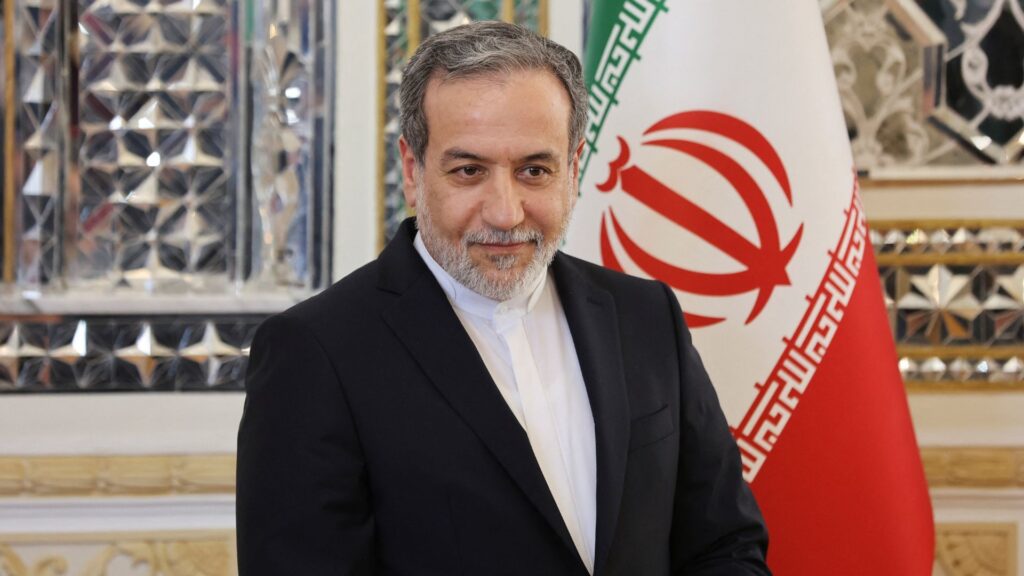
Iran’s top diplomat, Abbas Araghchi, has arrived in Geneva to engage in the second round of high-stakes nuclear negotiations with the United States. These talks are crucial in an effort to revive the 2015 nuclear deal, formally known as the Joint Comprehensive Plan of Action (JCPOA), which has been on shaky ground since the US withdrawal in 2018.
Araghchi’s visit to Geneva comes with a packed agenda, including critical discussions with representatives from the International Atomic Energy Agency (IAEA). Prior to the talks with the US delegation, Araghchi is scheduled to meet with the director of the IAEA to discuss issues related to Iran’s nuclear program and compliance with international safeguards.
The JCPOA was originally designed to limit Iran’s nuclear activities and ensure the peaceful nature of its nuclear program in exchange for lifting sanctions. However, the US pulled out of the agreement under the Trump administration, reimposing stringent sanctions on Iran, which led Tehran to scale back its commitments under the deal.
These renewed talks signal a potential thaw in relations, as both Iran and the US appear motivated to reach a compromise. Iran’s willingness to engage in talks reflects the country’s desire to alleviate economic pressures caused by sanctions, which have significantly impacted its economy.
The IAEA plays a vital role as an international watchdog, monitoring nuclear activities and verifying Iran’s adherence to the JCPOA’s limits. Araghchi’s scheduled meeting with the IAEA director indicates a mutual interest in maintaining transparency and addressing the agency’s concerns, which have included access to nuclear sites and data monitoring.
Despite the high stakes, significant challenges remain. Key points of contention include the timeline for lifting sanctions, Iran’s enrichment levels of uranium, and the extent of international inspections. Both sides have expressed optimism but remain cautious, acknowledging the complexity of reaching a balanced agreement.
In addition to the direct US-Iran negotiations, international stakeholders including European Union officials and regional countries have been following the talks closely, as the outcome will have broader implications for regional security and diplomatic relations.
The talks are expected to proceed through the week, with negotiators aiming to establish a framework that could lead to a full restoration of the JCPOA. Success in Geneva would likely pave the way for re-engagement on other diplomatic fronts and reduce tensions that have escalated over the past years.
Araghchi’s presence in Geneva underscores Iran’s commitment to pursuing diplomatic channels amidst ongoing geopolitical tensions. Analysts note that while the process is fraught with uncertainty, the current negotiations represent one of the most promising opportunities for dialogue between Iran and the US in recent years.
As the talks unfold, global observers remain hopeful that diplomatic efforts will prevail, preventing further escalation and paving the way for a more stable, secure Middle East. The international community is watching closely, aware that the outcomes in Geneva could set precedents for future negotiations on nuclear non-proliferation and regional peace.