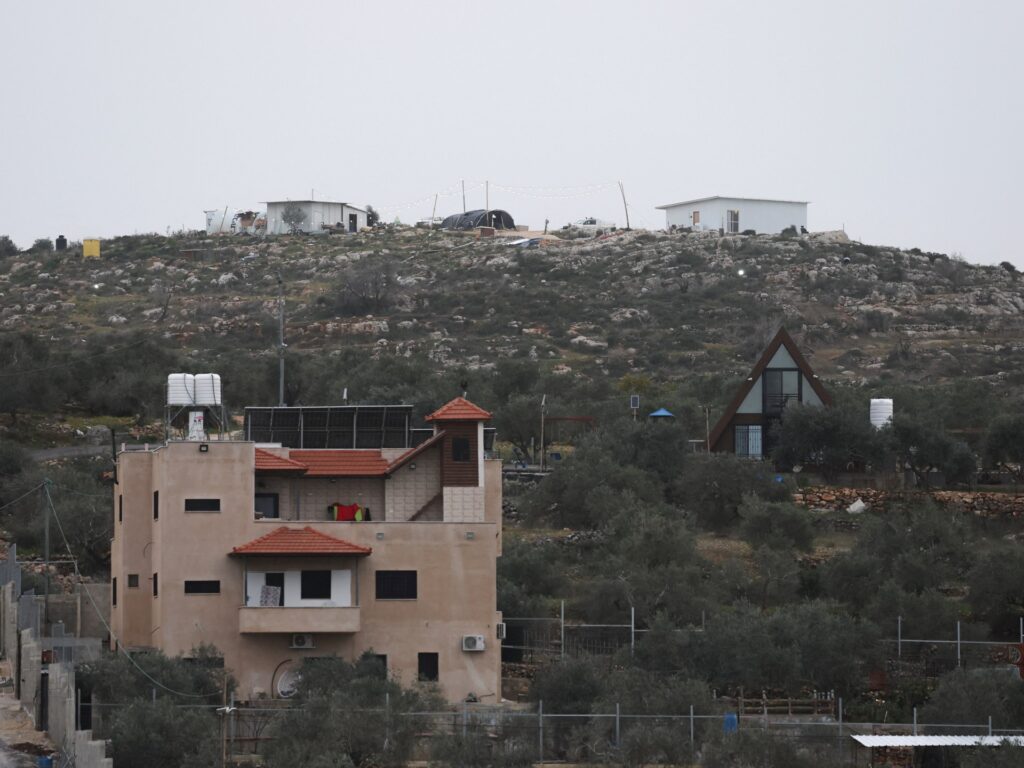
In a significant development, Israel has approved a proposal to officially register lands in the West Bank as ‘state property.’ This move, which marks a crucial step in the administration of the contested territory, has broad implications for regional dynamics and the ongoing Israeli-Palestinian conflict.
The decision was made by Israeli authorities following an intensive review process and comes amid increasing tensions and disputes over land ownership in the West Bank. The registered lands will now be categorized under state property, granting the Israeli government formal control and management rights.
This policy change is expected to impact various Palestinian communities living in the West Bank, as lands previously claimed privately or communally might now be subjected to state regulation. Israeli officials have stated that the move is in accordance with existing laws and aims to clarify land status in a region characterized by complex and overlapping claims.
Critics of the decision argue that it undermines Palestinian claims and rights to the land, potentially paving the way for expanded settlement activities and further restricting Palestinian development. Human rights organizations and international observers have expressed concern about the potential humanitarian and political ramifications of the registration plan.
Supporters, including certain Israeli political factions, suggest that formalizing state ownership of these lands is necessary for security and administrative purposes and could streamline governance and infrastructure development.
The international community has reacted cautiously, with some countries urging restraint and calling for renewed negotiations to resolve the dispute over the West Bank.
This development comes at a time when the Israeli government is seeking to reinforce its authority in the West Bank, and the move is seen by many analysts as part of a broader strategy to consolidate territorial claims.
The registration of West Bank lands as state property is likely to influence the future of peace talks and the geopolitical landscape of the region. It remains to be seen how this decision will impact the daily lives of those residing in the West Bank and the broader quest for a lasting resolution to the Israeli-Palestinian conflict.