The Danish Prime Minister has announced plans for additional discussions regarding Greenland following a recent meeting with U.S. Senator Marco Rubio. This development comes at a time when a new opinion poll reveals a significant level of dissatisfaction among U.S. adults about President Donald Trump’s handling of the Greenland issue.
In the meeting, which took place in the wake of heightened attention on Greenland’s strategic and geopolitical importance, the Danish PM emphasized the need for continued dialogue and cooperation with the United States. Senator Rubio, known for his interest in Arctic affairs, expressed support for strengthening the relationship between Denmark and the U.S. concerning Greenland.
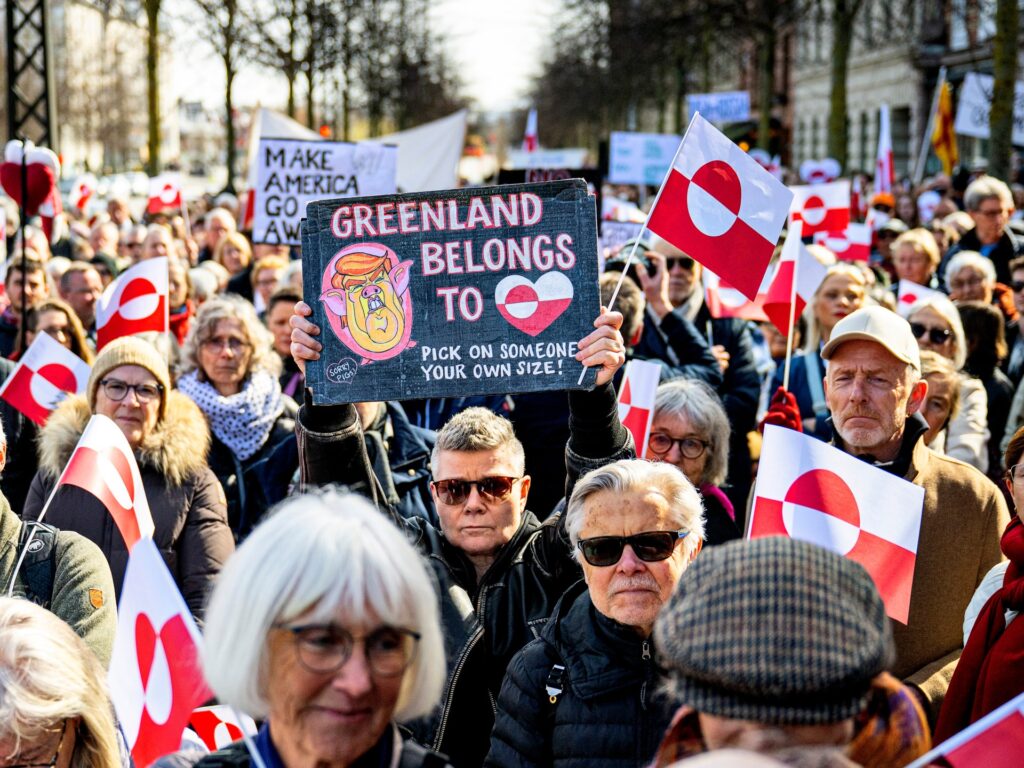
The context for these talks is the controversy sparked by President Trump’s proposal to purchase Greenland, an autonomous Danish territory. The idea received mixed reactions, sparking debate about sovereignty, strategic interests, and the economic potential of the island. Despite the proposal being officially off the table, the issue remains a point of contention and discussion among political leaders and citizens alike.
The recent opinion poll highlights that seven out of ten American adults disapprove of how President Trump has managed the Greenland situation. This disapproval reflects broader concerns about the administration’s foreign policy approach and communication strategy on sensitive international matters.
Greenland holds a critical position in the Arctic region, rich in natural resources and strategically important due to its location. The U.S. has maintained a military presence there, notably at Thule Air Base, underlining the island’s significance in defense and global security dynamics.
Denmark’s continued engagement with the U.S. signals a mutual interest in maintaining stability, sovereignty, and cooperative management of Greenland’s affairs. The Danish government is expected to prioritize diplomatic channels to ensure that Greenland’s interests and autonomy are respected while fostering beneficial partnerships.
The Danish Prime Minister’s announcement underscores the complexity of Arctic geopolitics and the need for nuanced, respectful dialogue among all stakeholders involved. Future talks with the U.S., including potential follow-ups with Senator Rubio and other officials, will likely focus on balancing strategic interests with the preferences and rights of the Greenlandic people.
Observers note that the issue of Greenland serves as a microcosm of larger international trends involving environmental policy, indigenous rights, and regional security. The fallout from the initial proposal has increased scrutiny on how governments handle diplomacy and public opinion in global negotiations.
As the world watches, Denmark and the U.S. appear committed to navigating the challenges thoughtfully, ensuring that Greenland’s future is shaped by collaboration rather than confrontation. The coming months will be critical for both nations as they seek a path forward that respects sovereignty and promotes shared goals in the Arctic.