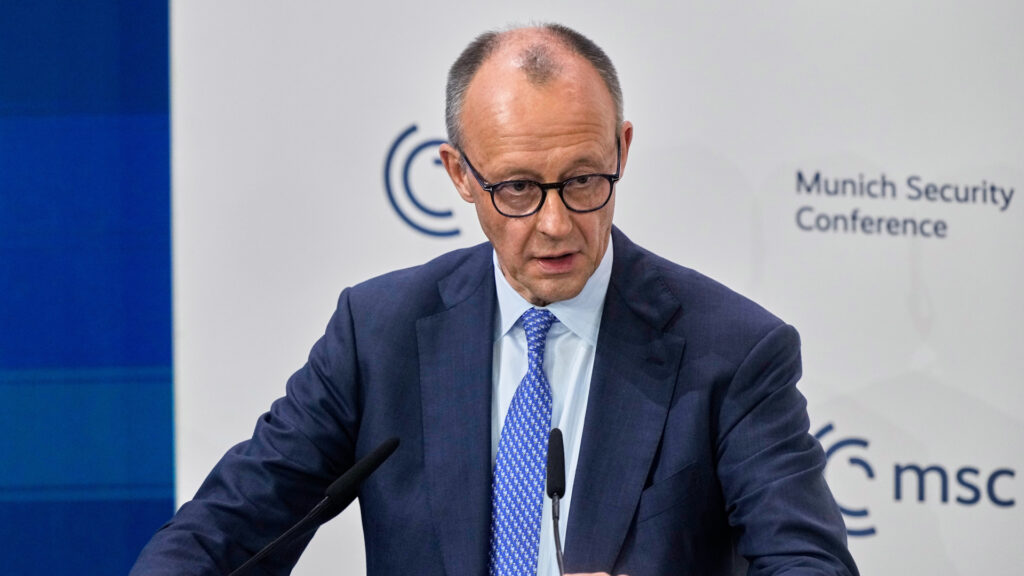
German Chancellor Friedrich Merz has publicly addressed what he described as a “deep rift” that has formed between Europe and the United States, urging both sides to work towards repairing trust. This statement marks a significant commentary on transatlantic relations, which have historically been a cornerstone of international diplomacy and global security.
Merz’s remarks come at a time when geopolitical tensions and divergent national interests have strained the partnership between these long-standing allies. He emphasized the importance of open dialogue and mutual understanding, suggesting that the current lack of trust poses challenges for collaborative efforts on critical issues such as security, trade, and climate change.
The Chancellor warned that the erosion of trust could undermine joint efforts needed to address pressing global challenges. He called for renewed commitment from both the US and Europe to engage constructively, fostering cooperation and rebuilding the foundational confidence that drives their alliance. Merz’s appeal reflects a broader call within Europe for stronger transatlantic relations, especially as the continent navigates complex geopolitical shifts.
Analysts view Merz’s comments as an attempt to reset the tone of transatlantic diplomacy, underlining the urgency of bridging differences to maintain a united front on global matters. The Chancellor’s call to action signals that despite disagreements, the US and Europe share common interests that necessitate sustained collaboration.
In light of recent policy divergences and trade disputes, Merz’s speech highlights the critical need for diplomatic efforts to mend the trust gap. Repairing this relationship is likely to involve addressing contentious issues, enhancing communication channels, and deepening strategic partnerships.
Ultimately, Chancellor Merz’s call underscores that the US-European alliance remains vital for stability and prosperity on both sides of the Atlantic. Rebuilding trust is presented not just as a diplomatic imperative but as essential for the effective tackling of future challenges in an increasingly complex world.