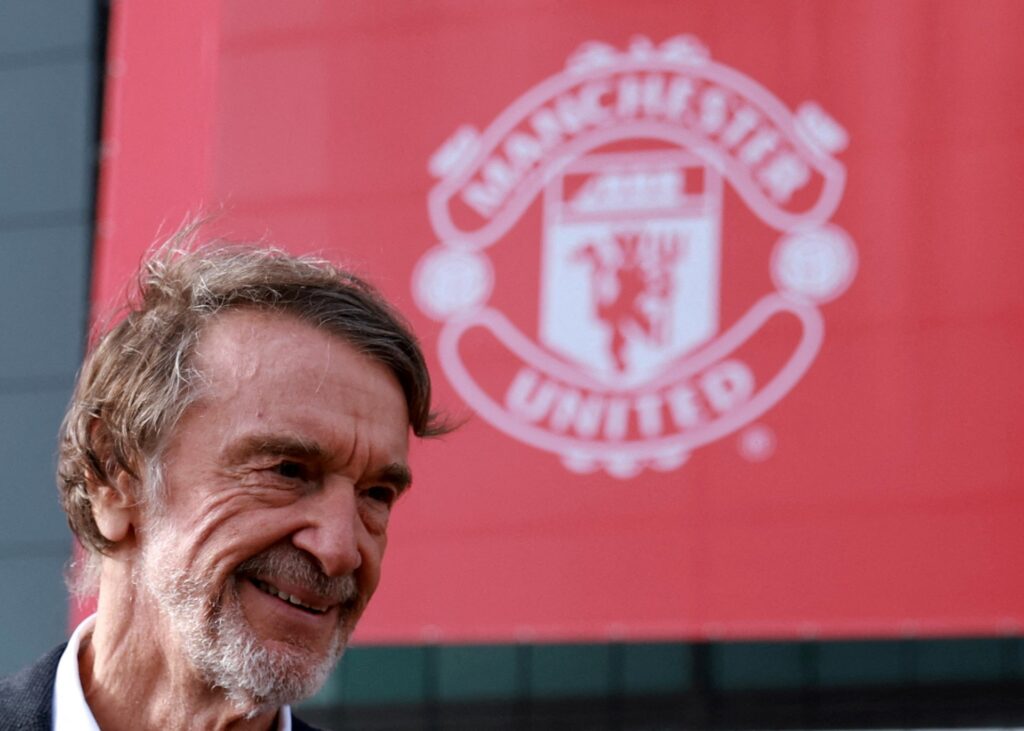
The co-owner of Manchester United, Sir Jim Ratcliffe, has come under intense scrutiny and backlash following his recent statements perceived as anti-immigrant. Fans and political commentators alike have expressed their outrage, accusing Ratcliffe of adopting and promoting far-right narratives that have tangible negative effects on society.
As one of the most prominent figures linked to one of the world’s most followed football clubs, Ratcliffe’s rhetoric has ignited a firestorm among Manchester United supporters. Many fans feel that his views are contrary to the club’s historic spirit of inclusivity and unity, which celebrates diversity and welcomes supporters from all backgrounds.
The controversy began when Ratcliffe made public remarks criticizing immigration policies and associating increased immigration with social and economic challenges, a stance often echoed by far-right groups. These comments were perceived as not only insensitive but also potentially harmful, fueling divisions and prejudice within the community.
Supporter groups of Manchester United have been vocal in their condemnation. Petitions and social media campaigns have emerged, demanding the club distance itself from Ratcliffe’s views or reconsider his role in ownership. Some have gone as far as urging the club to implement policies that reflect a more inclusive and socially responsible leadership.
Political analysts highlight the dangers of such rhetoric, noting that when influential figures like Ratcliffe adopt these narratives, it normalizes discriminatory attitudes and can lead to real-world consequences, including increased hostility and violence against immigrant communities.
This incident has also reignited broader discussions about the role of sports in society and the responsibilities of individuals in positions of power associated with globally influential institutions. Many argue that football clubs have a social duty to promote messages that foster community cohesion rather than division.
In response to the backlash, Manchester United has yet to issue a detailed statement regarding Ratcliffe’s comments. The situation remains tense as fans and advocacy groups continue to pressure both the club and its ownership to take a clear stand against anti-immigrant rhetoric.
The case also highlights the complex interplay between business interests, personal beliefs of owners, and the cultural identity of football clubs. As Manchester United navigates this crisis, the wider football community watches closely, aware that how the club manages this issue may set a precedent for how similar situations are handled in the future.
Overall, the outrage over Ratcliffe’s rhetoric underscores the sensitivity and importance of immigration discourse in the UK and beyond. It serves as a reminder that words from influential individuals carry weight and that they must be used responsibly to avoid harm and promote inclusivity and understanding in diverse societies.