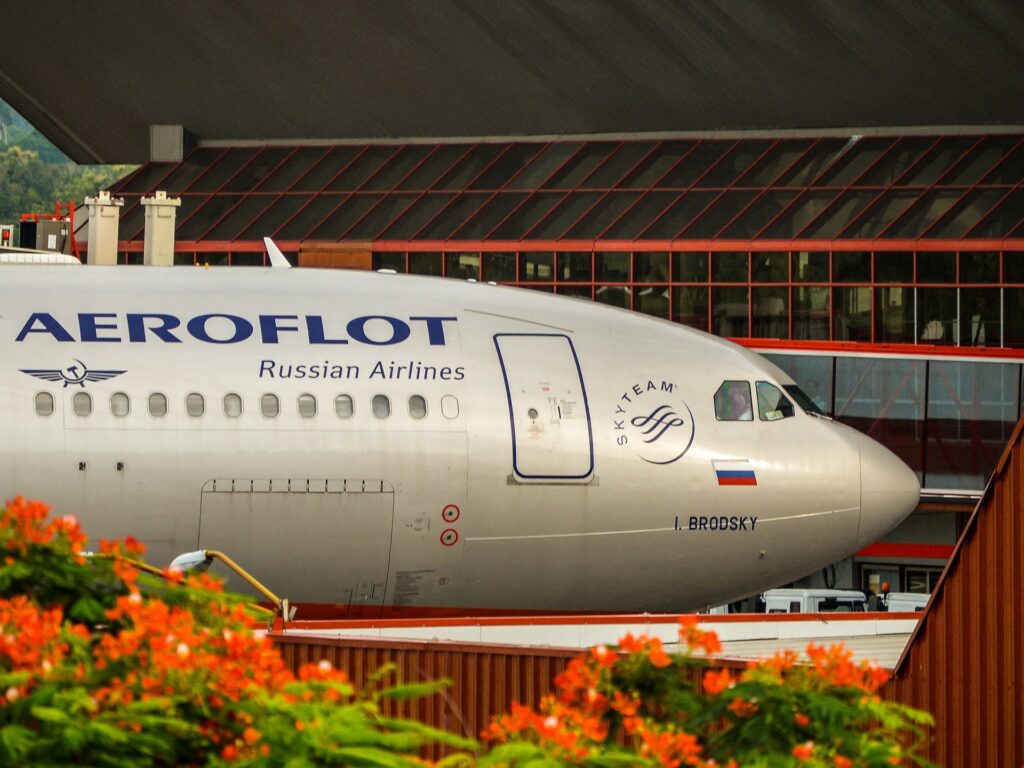
Russia has initiated the evacuation of its tourists from the Caribbean island of Cuba in response to an escalating fuel crisis believed to be engineered by the United States. This move marks a significant development as Russia will now operate only return flights from Cuba, effectively halting new arrivals and focusing on bringing its citizens home safely.
The fuel shortage in Cuba has intensified over recent weeks, causing severe disruptions in the island nation’s transportation and energy sectors. The crisis has been attributed to external pressures, with many pointing fingers at US policies aimed at tightening economic constraints on Cuba. As the fuel supplies dwindled, the Cuban government struggled to maintain essential services and support its tourism industry, a vital source of revenue for the country.
Tourism plays a crucial role in Cuba’s economy, attracting visitors from around the world, including a sizable number of Russian tourists. However, the worsening fuel situation has jeopardized the safety and comfort of tourists on the island. Recognizing these challenges, the Russian authorities have taken proactive steps to ensure the well-being of their citizens by organizing evacuation flights.
The decision to operate only return flights signifies Russia’s prioritization of its nationals’ safety and hints at the deteriorating conditions on the ground. Many tourists reportedly faced difficulties such as limited transportation options, power outages, and scarcity of essential goods due to the fuel crisis.
This evacuation echoes growing geopolitical tensions in the region. Cuba has long been under the influence of sanctions and embargoes, with the United States maintaining tight restrictions aimed at pressuring the Cuban government. The current crisis underscores the broader conflicts playing out in international relations, especially between the US, Russia, and their respective allies.
Russian officials have not disclosed the total number of tourists being evacuated but have emphasized that ensuring their citizens’ safe return is of utmost importance. The Russian government is also reportedly monitoring the situation closely and coordinating with Cuban authorities to facilitate a smooth evacuation process.
The fuel crisis has not only affected tourists but also impacted local residents, with many experiencing daily hardships due to the shortage. The Cuban government has appealed for international assistance, highlighting the urgent need to resolve the fuel supply issues to prevent further economic and humanitarian distress.
In summary, Russia’s move to evacuate tourists amid the deepening fuel crisis in Cuba reflects the growing instability caused by geopolitical conflicts and economic sanctions. The situation remains fluid, with international diplomatic efforts likely to intensify as stakeholders seek to address the unfolding humanitarian and economic challenges on the island.