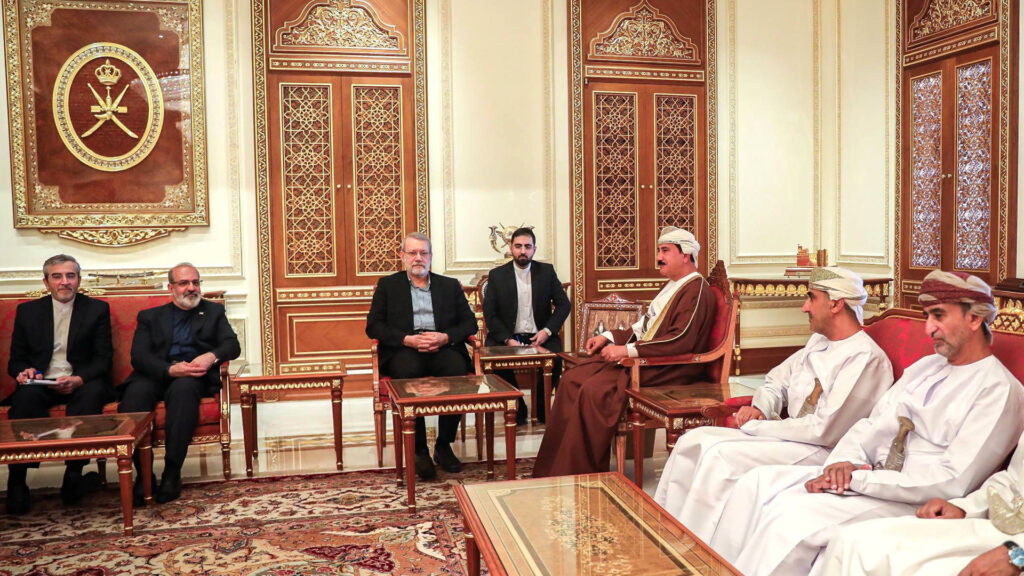
In a significant diplomatic development, Ali Larijani, a senior Iranian official, has publicly condemned the use of the ‘language of force’ in international dialogues involving Iran. Larijani’s statement highlights Tehran’s firm stance against coercive tactics and emphasizes the preference for diplomatic engagement over confrontation.
Larijani, who holds considerable influence in Iran’s political landscape, stressed that Iran remains open to dialogue but insists these talks be grounded in realism and mutual respect. His remarks come amid ongoing tensions and complex negotiations around Iran’s nuclear program, which has been a point of contention between Iran and Western nations, particularly the United States.
During a recent address, Larijani articulated that Iran’s priority is to pursue diplomacy that reflects Iran’s sovereignty and rights, dismissing any approach perceived as threatening or imposing by external powers. He rebuked the rhetoric and policy measures that employ intimidation or forceful demands, asserting such tactics undermine trust and progress toward peaceful resolutions.
Highlighting Tehran’s readiness for negotiations, Larijani stated that Iran is prepared to engage in ‘realistic’ nuclear talks with the United States. This marks a cautious but hopeful signal towards revitalizing dialogue between the two countries, which have experienced decades of strained relations and intermittent negotiations.
The official’s denunciation of forceful language coincides with global calls for a diplomatic path forward to address nuclear non-proliferation issues and regional stability. International observers note that Iran’s willingness to enter substantive talks could open channels for easing tensions and possibly reviving the framework of agreements like the Joint Comprehensive Plan of Action (JCPOA).
However, Larijani underscored that any negotiations must respect Iran’s national interests and be free from preconditions that could jeopardize Iran’s dignity or national security. This insistence reflects a broader Iranian narrative of resisting external pressures while signaling openness to constructive engagement.
The statement comes amid ongoing international debates over sanctions, nuclear inspections, and Iran’s missile program, all of which remain contentious subjects that influence the prospects of successful diplomatic negotiations.
Experts suggest that Larijani’s comments might be aimed at recalibrating Iran’s approach to diplomacy, emphasizing pragmatism and rejecting the polarizing language that has characterized past interactions. By advocating for ‘realistic’ talks, Iran sets an expectation for negotiations grounded in practical outcomes rather than symbolic gestures or ultimatums.
In summary, Ali Larijani’s condemnation of the ‘language of force’ and his expression of readiness for ‘realistic’ nuclear discussions with the U.S. represent an important diplomatic signal. It suggests that despite ongoing challenges, Iran is seeking a pathway that combines respect for its sovereignty with the potential for meaningful international dialogue, an approach that could influence the broader geopolitical landscape in the Middle East and beyond.