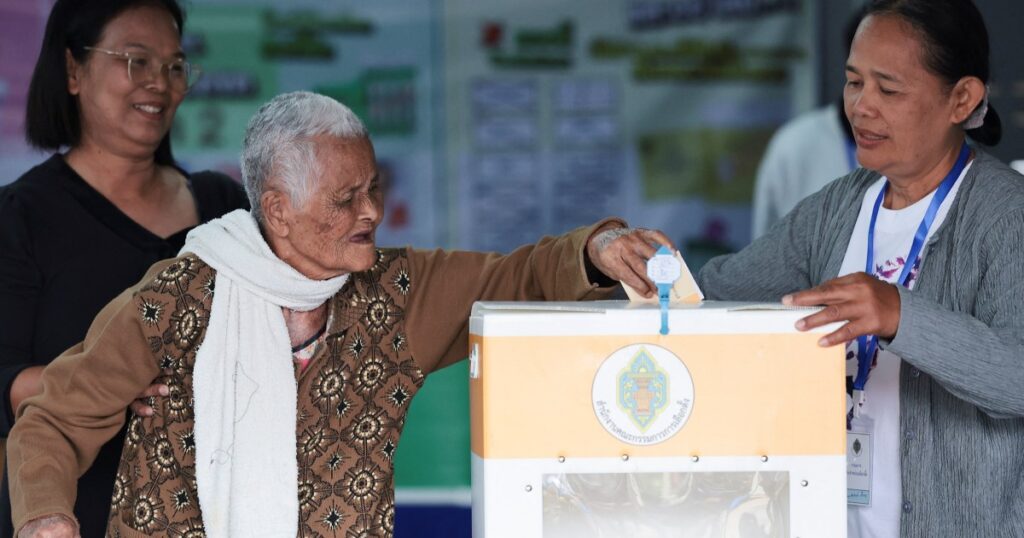
Thailand’s general elections closed on Sunday, marking a pivotal moment in the country’s political landscape as reformist and conservative parties compete fiercely for control. Early expectations indicate no single party is likely to achieve a clear majority, setting the stage for a potentially unstable coalition government or extended political negotiations.
The elections, held against a backdrop of social unrest and demands for reform, have drawn considerable attention both domestically and internationally. Citizens are voting amidst heightened tensions, with many pushing for significant changes in governance, while traditional powers seek to maintain their influence.
Reformist parties, galvanized by youth-led movements and calls for constitutional reforms, have made significant inroads into urban centers and among younger voters. Their platforms emphasize transparency, decentralization of power, and social justice.
Conversely, conservative factions, often aligned with military interests and established elites, have passionately defended the status quo, prioritizing stability, economic growth, and national security. Their support remains strong in rural areas and among older demographics.
Analysts suggest the fragmented vote reflects the deep divisions within Thai society, where modernization pressures clash with entrenched traditions. Political experts warn that the absence of a clear winner could lead to fragile coalition governments, making it difficult to pass critical legislation or respond effectively to public demands.
In the past, Thailand has experienced multiple instances of political deadlock and military interventions when electoral outcomes failed to produce decisive governance. Observers now watch closely to see if peaceful political compromise will prevail or if instability will once again disrupt the nation’s progress.
International observers underscore the importance of a transparent counting process and urge all parties to respect the voters’ will to ensure a legitimate government formation.
Voter turnout was notably high, reflecting the electorate’s engagement and the high stakes of this election. Despite challenges posed by the COVID-19 pandemic and regional disparities, citizens demonstrated resilience and determination to shape the country’s future.
Post-election scenarios include negotiations for coalitions among smaller parties, potential alliances crossing ideological divides, or even calls for fresh elections if a workable government cannot be formed. The role of the military and constitutional monarchy remains a subtle but powerful influence behind the scenes.
As Thailand awaits the official results, the focus shifts to dialogue and political maneuvering, with hopes that the electoral process will lead to greater stability, democratic reforms, and national unity. The coming weeks will be critical in determining whether Thailand can navigate the complexities of its political landscape peacefully or face renewed uncertainty.