The second round of Portugal’s presidential election has commenced, with polling stations opening across the country. The vote comes at a critical time as the nation continues to grapple with heavy storms causing disruptions in various regions.
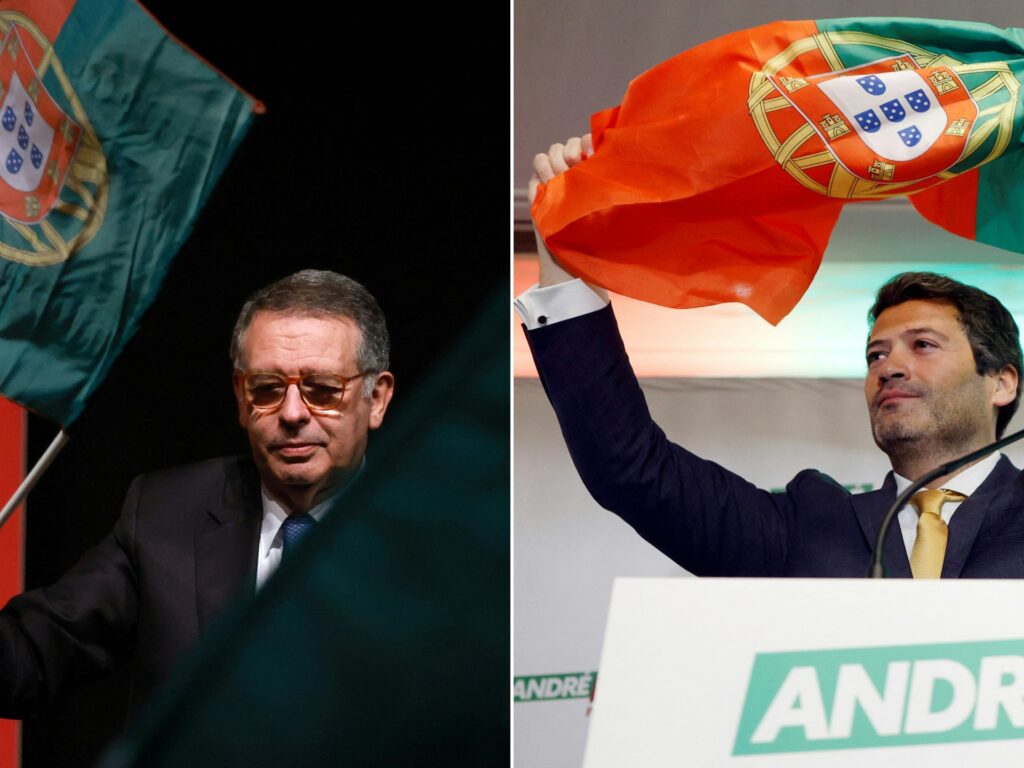
This election round is especially significant as observers and political analysts focus closely on the performance of the far-right candidates. The results will be a key indicator of the far right’s influence in Portuguese politics amid growing political polarization.
Voting throughout the day has been challenged by adverse weather conditions, with torrential rains and strong winds impacting voter turnout in some areas. Authorities have assured that measures are in place to maintain safe and accessible polling stations despite the storms.
The presidential election follows a highly contested first round, where no candidate secured an outright majority, necessitating this runoff. The two leading candidates are vying to secure the presidency, which plays a crucial role in Portuguese governance, including representing the country internationally and appointing the prime minister.
Political parties and civil society are watching the developments closely, wary of the implications the far-right’s performance might have on future domestic and European policies. The election results scheduled to be announced later will reveal the public’s stance on critical issues such as immigration, economic development, and foreign relations.
As the day progresses, voter turnout figures will provide insight into the electorate’s engagement despite the inclement weather. Early reports suggest that some regions are witnessing strong participation, reflecting the high stakes of this election.
Observers have also noted that the ongoing storms add complexity to the election logistics, testing the resilience of election officials and volunteers.
In conclusion, Portugal’s second-round presidential election is unfolding under challenging conditions with the far right’s electoral performance being watched keenly by both national and international observers. This outcome will shape the country’s political landscape in the coming years, marking a pivotal moment in Portugal’s democratic journey.