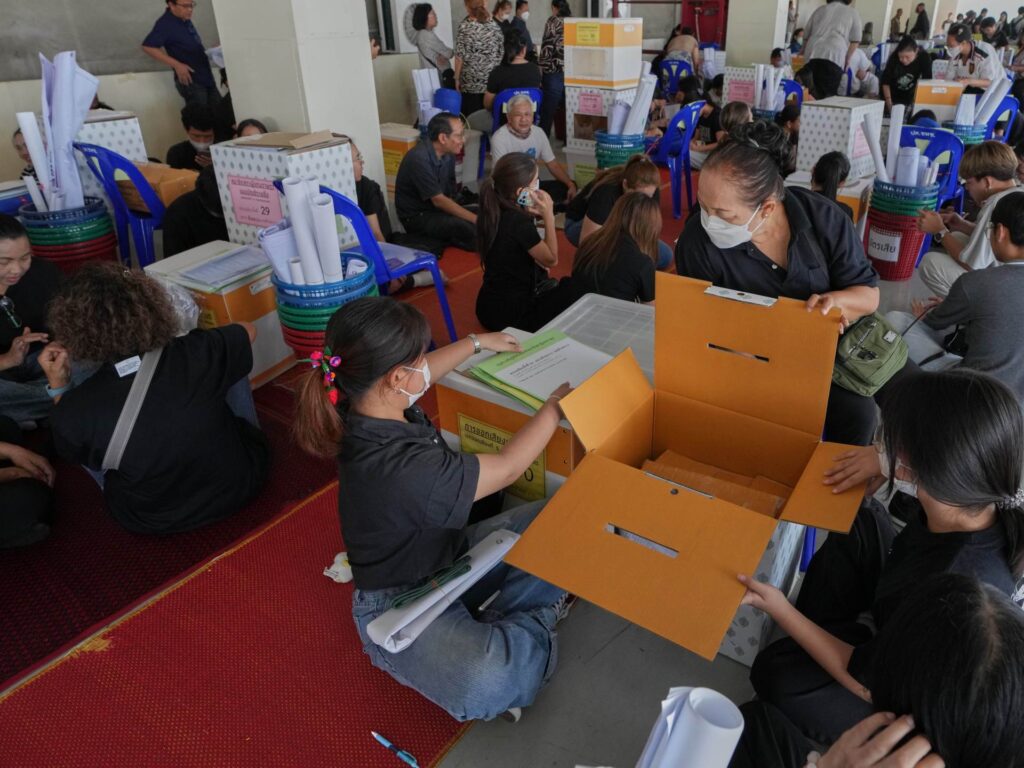
Thailand’s political landscape witnessed a significant moment on Sunday as polling stations across the country opened for a crucial general election. The electoral contest pits reformist parties against conservative forces, highlighting a nation deeply divided over its future direction. The election is widely regarded as a pivotal event, with no single party expected to secure an outright majority, leading to concerns about the potential for political instability in the coming months.
Thailand’s history of political turbulence frames the current election as a critical juncture. The reformist camp is pushing for significant changes, aiming to address long-standing issues such as military influence in politics, economic reform, and greater democratic freedoms. Conversely, conservative parties advocate for maintaining the existing order, emphasizing stability, traditional values, and national security.
The election campaign has been marked by vigorous debates and intense campaigning, reflecting the polarizing nature of the issues at stake. Voters expressed a range of opinions, with many anxious about the implications of the election results on Thailand’s social fabric and economic future.
Analysts suggest that the fragmented vote outcome could lead to a coalition government, potentially complicating policy implementation and governance. This scenario raises questions about the durability of the political framework and the government’s ability to address pressing national challenges effectively.
International observers are closely monitoring the election, recognizing Thailand’s strategic importance in Southeast Asia. The election outcome will not only affect domestic politics but could also influence regional stability and international relations.
The election day proceeded relatively peacefully, with active voter participation reported nationwide. Poll officials noted high turnout, indicating a robust public engagement despite the uncertainty surrounding the results.
As the nation awaits the final vote count, the focus shifts to how parties will negotiate power-sharing arrangements and whether a consensus government can emerge. The election serves as a barometer of Thailand’s democratic maturity and resilience.
In summary, Thailand’s general election underscores the dynamic tension between reformist aspirations and conservative resistance. With no clear victor, the path forward remains uncertain, and the political climate may experience heightened volatility. The coming days will be crucial in determining the country’s trajectory, both politically and socially.