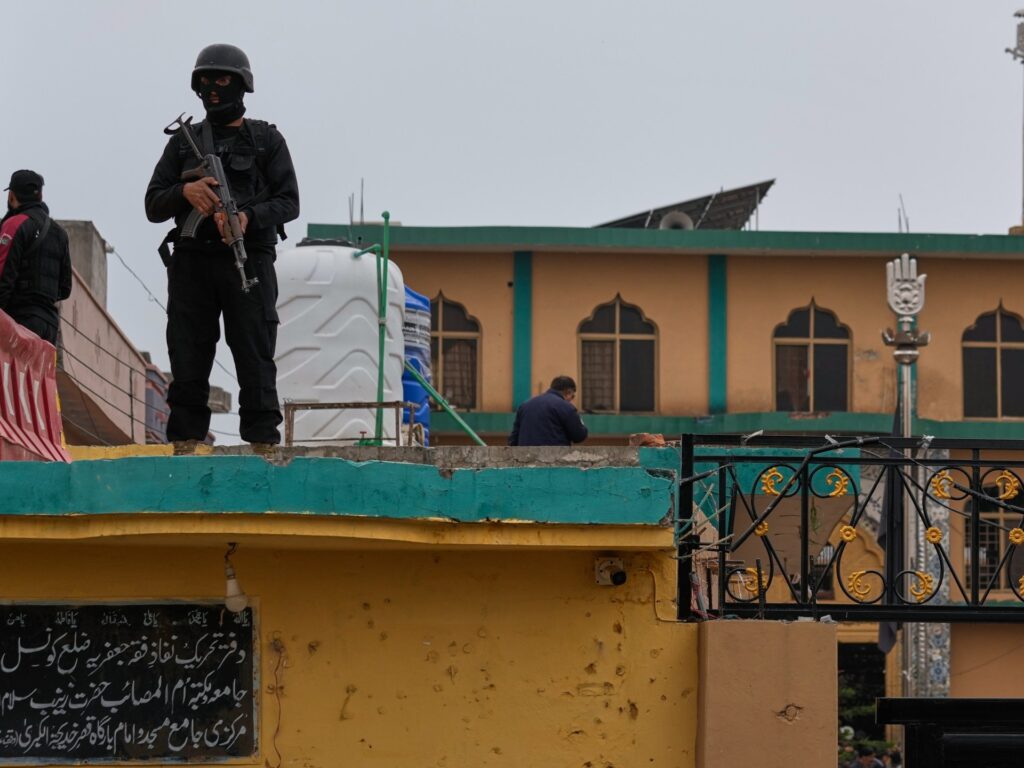
A deadly bombing in Islamabad has once again brought attention to the persistent issue of cross-border attacks targeting Pakistan. The attack, which took place at a mosque, resulted in multiple casualties and injuries, underscoring the volatile security situation in the region. Analysts have warned that this attack could exacerbate existing sectarian tensions in Pakistan, a country already grappling with complex religious and ethnic divisions.
The mosque attack not only represents a direct threat to civilian safety but also highlights the ongoing challenges Pakistan faces related to cross-border terrorism. Experts suggest that these attacks are part of a broader pattern of aggression that aggravates internal security dilemmas, complicates diplomatic relations, and hinders efforts toward regional stability.
Security officials in Pakistan are increasing vigilance and reinforcing security measures in the wake of the bombing. There is also a call for comprehensive strategies that address both the immediate security needs and the deeper socio-political causes of sectarian violence and cross-border hostility.
The incident has sparked widespread condemnation locally and internationally, with many urging for heightened cooperation among neighboring countries to curb the flow of militants and weapons across borders. Political leaders in Pakistan have emphasized the necessity of unity and resilience in facing these threats, stressing that such acts of violence should not destabilize the nation.
Public reactions have been mixed, with communities affected by sectarian divides expressing fear and concern over potential retaliatory violence. Civil society groups are advocating for dialogue and peacebuilding efforts to prevent further escalation.
Pakistan’s complex security landscape has been marked by a history of sectarian violence, insurgency, and external interference. The Islamabad mosque bombing adds another layer of complexity, demanding coordinated responses from government agencies, security forces, and diplomatic channels.
Analysts argue that addressing these challenges requires a multifaceted approach, including intelligence sharing, border management, socio-economic development in vulnerable areas, and educational reforms to combat extremist ideologies.
The bombing has also re-ignited debates on national security policies and counter-terrorism strategies, with calls for enhanced funding and modernization of security infrastructure.
In summary, the deadly Islamabad mosque bombing is a grim reminder of the ongoing threats posed by cross-border attacks in Pakistan. It sharpens the focus on the urgent need for robust security measures, regional cooperation, and socio-political interventions to prevent further violence and promote lasting peace in Pakistan and its neighboring regions.