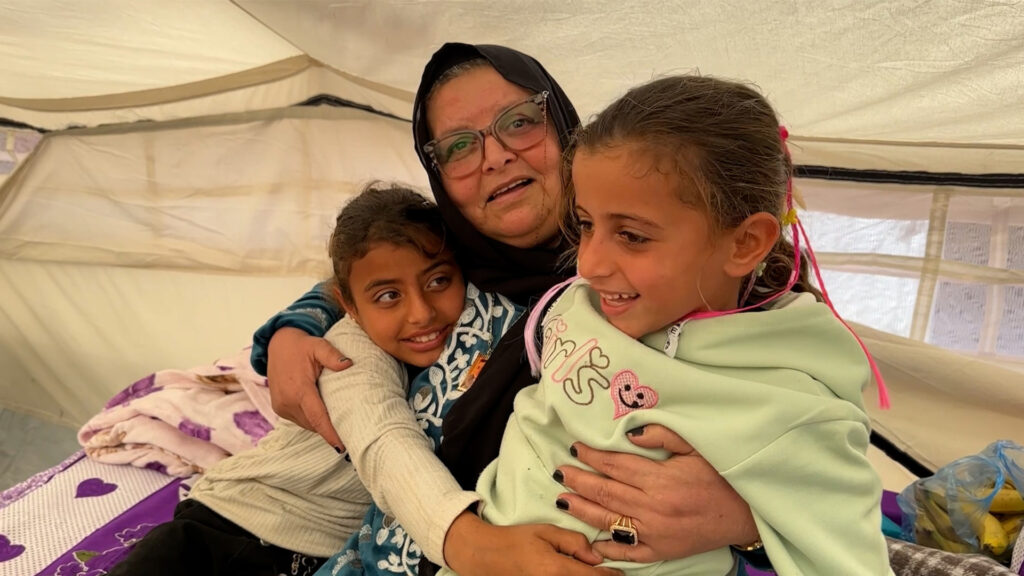
An elderly, sick Palestinian woman recently shared her poignant experience crossing the Rafah border crossing, shedding light on the challenges faced by many Gazans seeking passage. The Rafah crossing, located between the Gaza Strip and Egypt, is a critical gateway for Palestinians attempting to travel for medical treatment, family reunification, or other urgent matters.
The woman, whose journey epitomizes the hardships endured by residents of Gaza, described the crossing as both physically and emotionally taxing. Battling illness and advanced age, she faced long waits, rigorous security checks, and the uncertainty of whether passage would be permitted. Despite these obstacles, she remained hopeful and resolute, motivated by the pressing need for medical care outside Gaza, which is often limited due to blockades and resource constraints.
Her story highlights the human aspect behind the statistics of border crossings, revealing the personal struggles and aspirations of those caught in geopolitical tensions. The Rafah crossing itself is frequently subject to closures and restrictions, complicating efforts for Palestinians to access essential services and maintain family connections.
This woman’s journey underscores the broader humanitarian issues impacting Gaza’s population, including restricted movement, limited medical infrastructure, and the psychological toll of prolonged conflict and isolation. Advocacy groups continue to call for safer, more accessible crossing points to alleviate the burden on vulnerable populations.
Her testimony calls attention to the need for international support and diplomatic efforts to ensure that crossings like Rafah can function smoothly and humanely. It also serves as a reminder of the resilience and courage of Gazans who navigate these difficult circumstances in pursuit of health, dignity, and connection to the outside world.
As the international community observes the ongoing challenges at border crossings, personal narratives like this emphasize the urgency of addressing the humanitarian needs of Palestinians, particularly the elderly and ill who are disproportionately affected by travel restrictions. The Rafah crossing remains a lifeline, and stories like that of this elderly woman highlight the critical importance of keeping it open and accessible.