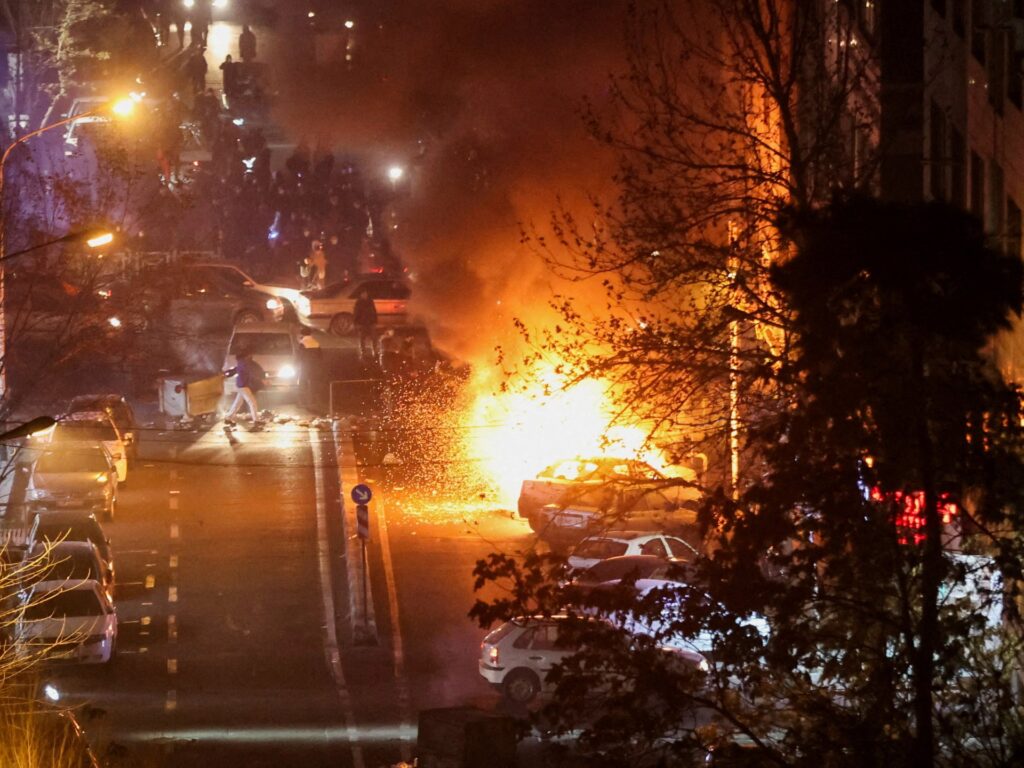
Iran’s government recently released an official list of victims who died during the nationwide protests. The announcement came amidst intense public scrutiny and international concern regarding the violent crackdown on demonstrators. The protests erupted initially over economic grievances but quickly expanded into broader demands for political reform and civil rights.
The released list enumerates the names of many individuals who have lost their lives, aiming to address previous ambiguities and conflicting reports. However, despite this official disclosure, significant questions remain unanswered that continue to fuel public debate and skepticism.
One primary concern relates to the completeness and accuracy of the list. Many Iranians have taken to social media platforms, sharing names and personal stories of victims allegedly excluded from the government’s account. These discrepancies have led to widespread calls for transparency and accountability from the authorities.
In response to mounting pressure, a new website has been launched to allow citizens to report names that may have been omitted. This platform empowers the public to contribute to constructing a more comprehensive record of the tragedy, ensuring that no victim is forgotten or ignored.
Experts emphasize that compiling an accurate and inclusive victim list is crucial for both national healing and historical documentation. Accurate records are foundational for any future investigations or reparative actions. Without them, families of the victims might continue to suffer in silence, deprived of acknowledgment or justice.
The government’s release of the list signals an acknowledgment of the gravity of the protests and their deadly aftermath. Still, it also highlights the continuing struggle between official narratives and grassroots efforts to reveal the full scope of state violence.
International observers and human rights organizations have welcomed the step but insist on further measures toward transparency, independent investigations, and protection for those who come forward with information.
Iranian citizens continue to challenge the state’s portrayal of events, pushing for clarity on how many were killed, the circumstances of their deaths, and those responsible. The social media dissemination of additional victim names underscores the tension between control of information by authorities and citizens’ demands for truth.
As the dialogue evolves, the launched website serves as a critical tool for public engagement and truth-telling. It represents not only a channel for collective memory but also a demand for justice that resonates beyond Iran’s borders.
The situation remains fluid, with the conversation shifting between official attempts to manage narrative and citizen-driven efforts to uncover a fuller picture. The release of the victim list is a notable moment, yet the emerging questions and ongoing citizen activism signal that Iran’s reckoning with this period of unrest is far from over.