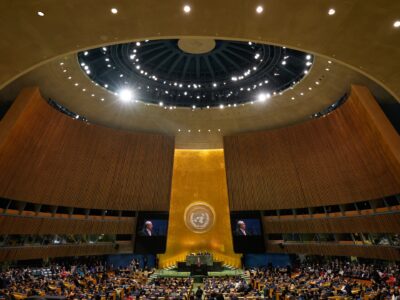
The United Nations agency has issued a warning about a significant rise in measles cases throughout the Americas, raising concerns about the potential loss of measles elimination status for several countries. In particular, Mexico and the United States have both reported thousands of cases last year, signaling a worrying resurgence of this highly contagious and potentially deadly disease.
Measles, once considered largely under control in many parts of the Americas, had seen dramatic reductions in cases due to widespread vaccination efforts. However, recent statistics indicate a disturbing reversal of this trend, with outbreaks spreading rapidly.
The UN agency emphasized that the increase in measles cases poses a critical public health challenge and calls for urgent action to ramp up vaccination campaigns. Factors contributing to the resurgence include vaccine hesitancy, logistical barriers to immunization, and disruptions caused by the COVID-19 pandemic.
In Mexico, health authorities recorded thousands of measles cases, a stark contrast to previous years when the disease was nearly eliminated. Similarly, the United States has experienced multiple outbreaks, with thousands of confirmed reports, stressing the fragility of measles elimination achievements.
The consequences of this resurgence go beyond the immediate impact on health systems. Loss of measles elimination status can affect international travel, trade, and public confidence in health systems.
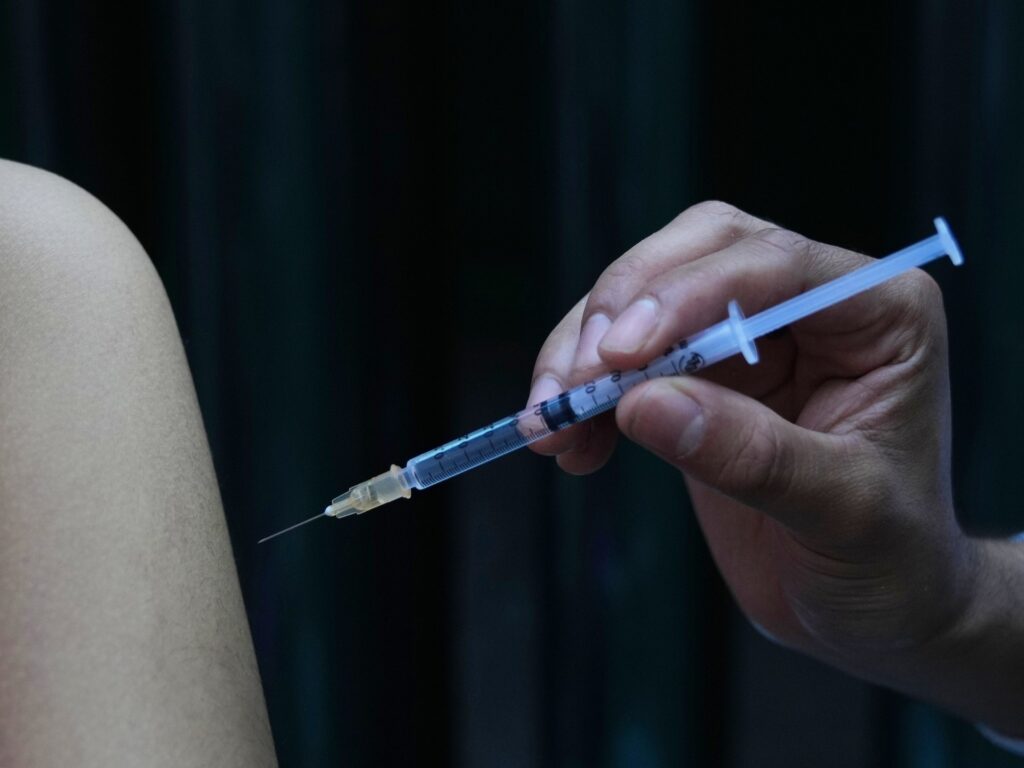
Global health experts warn that the Americas risk becoming a new epicenter for measles transmission if swift measures are not taken. Prevention through immunization remains key to controlling the disease and protecting vulnerable populations, especially children.
The UN agency urges governments to strengthen public messaging about the safety and importance of measles vaccines, improve access to immunization services, and invest in surveillance systems to quickly detect and respond to outbreaks.
Community engagement and addressing misinformation are also critical components in reversing the current trend and achieving sustained measles control.
This warning arrives amid a global context where measles outbreaks are also increasing in other regions, highlighting the need for concerted international efforts.
As the Americas confront this public health setback, health authorities and international organizations are called upon to collaborate and renew commitments to eliminate measles, protecting future generations from this preventable disease.