Colombia’s largest criminal group, the Ejército de Guerrilla del Caribe (EGC), has announced the suspension of ongoing peace talks taking place in Doha. This decisive move came in reaction to recent reports that the United States and Colombia plan to target the group’s leader for arrest, a development that has severely impacted the fragile negotiation process.
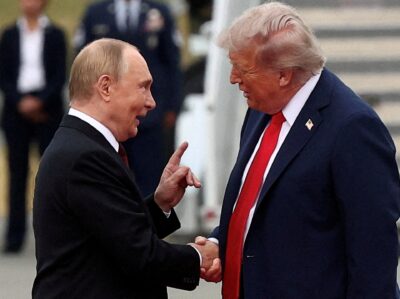
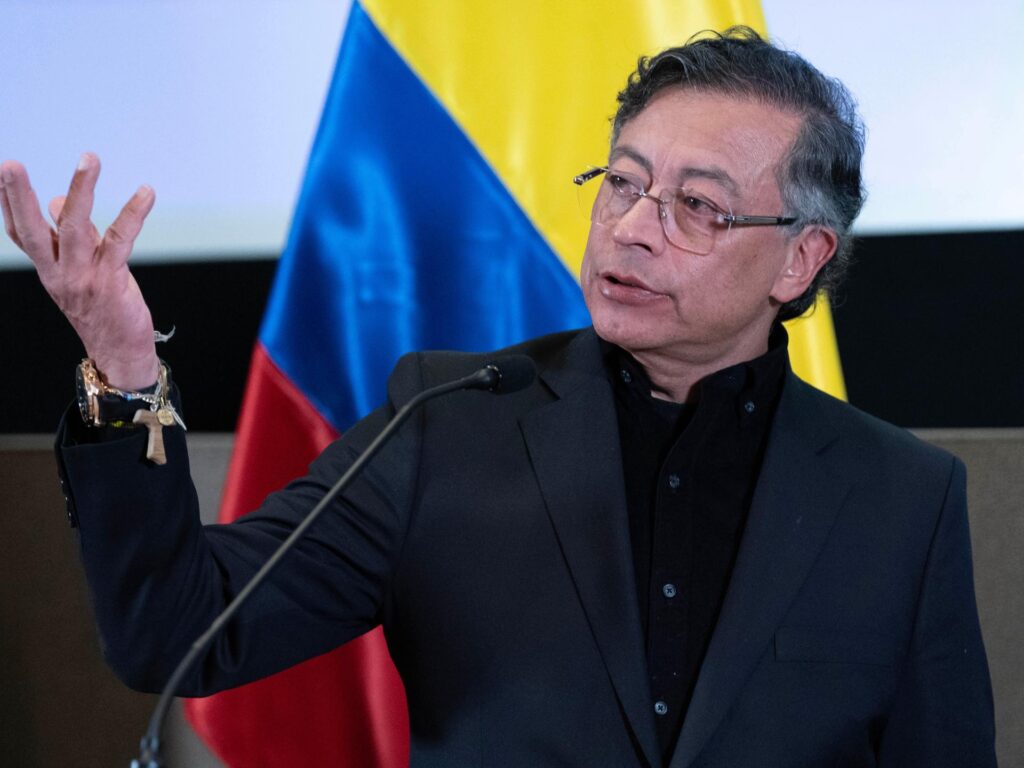
The peace talks in Doha had been seen as a critical opportunity to establish dialogue between the Colombian government and the EGC, aiming to bring about an end to years of violent conflict in the region. However, tensions rose significantly following a high-profile meeting between Colombian President Gustavo Petro and former U.S. President Donald Trump.
Reports suggest that during this meeting, strategies to intensify efforts against criminal groups like the EGC were discussed, including plans to apprehend top leaders. This revelation triggered an immediate response from the EGC, which perceives the meeting as a direct threat to its leadership and survival.
The EGC’s decision to halt talks highlights the precarious nature of peace negotiations in Colombia, where multiple armed groups hold significant power and influence. The group’s suspension of dialogue underscores the challenges faced in attempting to reconcile with armed factions that have long operated outside of the law.
President Petro’s administration has consistently emphasized the importance of peace and reconciliation, seeking to address the root causes of conflict such as inequality, poverty, and lack of opportunities. The suspension of the talks represents a setback in these efforts and raises questions about the future of peace initiatives in Colombia.
The international community has expressed concern over the disruption of the talks, calling for renewed commitment from all parties to resume dialogue. Experts warn that without continued negotiations, the risk of escalated violence and instability in Colombia could increase.
The EGC’s move to suspend the talks also sends a strong message about the group’s mistrust towards strategies that involve coercive actions alongside diplomatic engagement. It reflects a broader tension between military and political approaches to resolving conflict.
Colombia’s history is marked by decades of armed conflict involving various guerrilla groups, criminal organizations, and paramilitary forces. Efforts at peace have often been fragile, and the suspension of talks in Doha is yet another reminder of the complexities involved in achieving lasting peace.
The Petro-Trump meeting, while aimed at strengthening bilateral relations, has inadvertently complicated internal Colombian peace processes. Observers note that balancing international cooperation on security and domestic peace efforts requires nuanced strategies that avoid exacerbating tensions.
As the situation unfolds, stakeholders within Colombia and abroad are calling for dialogue to resume, urging both the government and the EGC to find common ground. The hope remains that peaceful resolution can still be achieved despite recent setbacks.
This development marks a crucial juncture for Colombia as it navigates the path toward peace, stability, and justice after years of conflict. The world watches closely as the country grapples with the challenges of reconciling security imperatives with the pursuit of peace.
In conclusion, the suspension of peace talks by Colombia’s EGC following reports of targeted arrest plans linked to the Petro-Trump meeting illustrates the fragile nature of peace efforts. It emphasizes the importance of trust, dialogue, and inclusive strategies in resolving long-standing conflicts. Moving forward, the international community, Colombian government, and armed groups must collaborate to reinstate discussions and work towards a sustainable peace in the region.