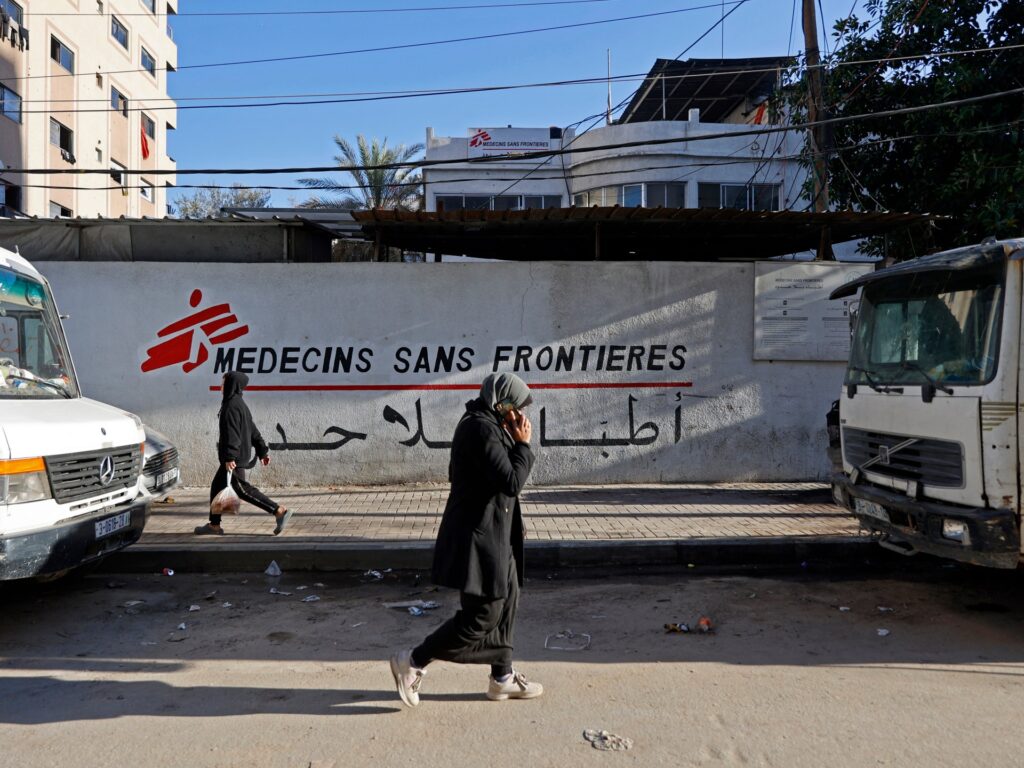
Israel has announced that it will ban the international medical charity Médecins Sans Frontières (MSF) from operating in the Gaza Strip. The decision follows MSF’s refusal to provide Israeli authorities with the personal details of its staff working in the enclave. The medical charity, known for its neutral and independent humanitarian work in conflict zones, operates clinics and provides essential care in Gaza, a densely populated area with persistent humanitarian needs.
Israeli officials have cited security concerns as the primary reason behind the demand for detailed personal information about aid workers. They argue that full disclosure is necessary to ensure that humanitarian activities are not exploited by hostile groups operating within the territory. However, MSF has maintained that sharing such information could compromise the safety and neutrality of its staff and undermine its operational principles.
The Gaza Strip, governed by Hamas, has long been a focal point of Israeli-Palestinian tensions. Restrictions on access and movement affect many humanitarian organizations working there, complicating the delivery of aid and medical services. MSF’s involvement has been crucial in providing medical treatment to civilians caught in recurrent cycles of conflict and blockade.
The ban will halt MSF’s projects in the enclave, potentially affecting thousands of patients who rely on their specialized medical care. MSF has expressed concern about the impact on the population and has appealed for dialogue with Israeli authorities to resolve the impasse.
Human rights groups and international observers have criticized the ban, warning it could set a precedent that undermines humanitarian access in conflict zones. They emphasize the importance of maintaining the independence and confidentiality of aid organizations to protect vulnerable populations.
This development adds another layer of complexity to an already fragile situation in Gaza. It highlights the ongoing challenges humanitarian organizations face in balancing security requirements from host nations and their mandate to operate impartially and safely. As tensions continue, the international community watches closely for any efforts to mediate and ensure that essential medical services remain available to those in need in Gaza.