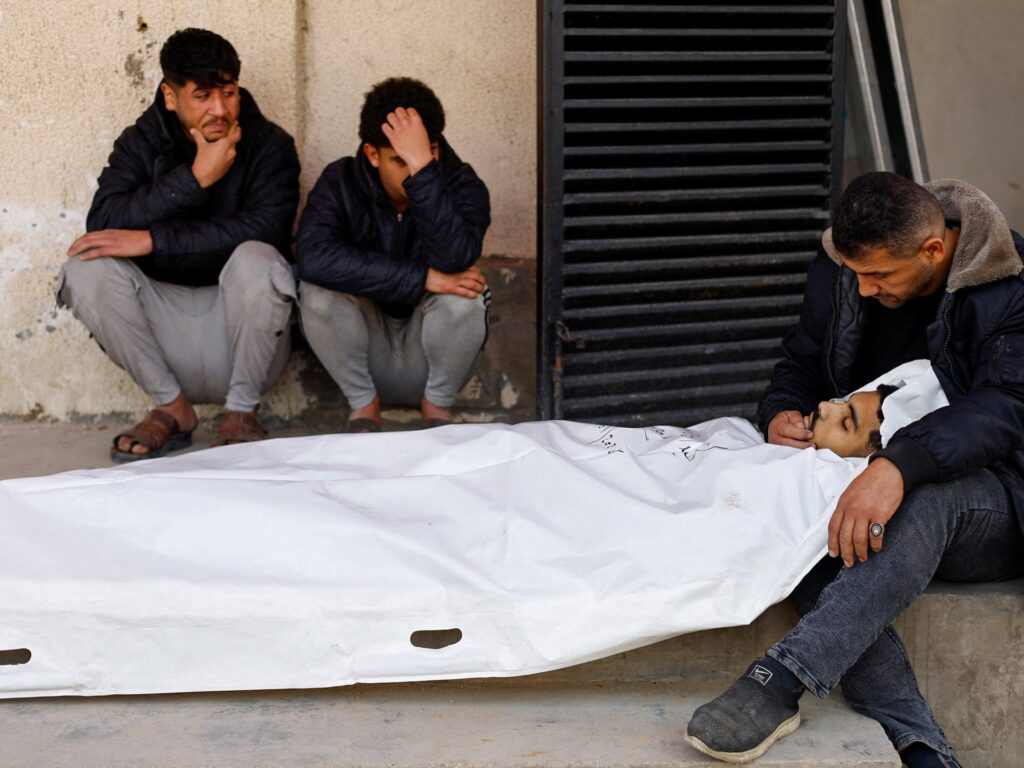
In a recent escalation of violence in the besieged Gaza Strip, Israeli forces have killed 31 Palestinians, including several children. These attacks occurred amid a tense atmosphere, just one day before Israel is expected to reopen the Rafah border crossing, a critical passage for the movement of people and goods.
The surge in military operations has intensified the already dire humanitarian situation in Gaza, where residents face severe restrictions due to the prolonged blockade. The killings have sparked international concern and condemnation, highlighting the vulnerability of civilians in conflict zones.
Among the victims, children have tragically lost their lives, underscoring the deepening crisis and the devastating impact on families. Human rights organizations have called for an immediate halt to violence and the protection of civilians, emphasizing the importance of safeguarding children in accordance with international law.
The reopening of the Rafah border crossing is seen as a hopeful development, offering potential relief for Gaza’s population by allowing essential supplies, medical aid, and the movement of people to and from the enclave. However, the timing of the attacks raises questions about the fragility of peace and stability in the region.
Israeli officials have stated that their actions are part of ongoing security operations aimed at neutralizing threats within Gaza. Meanwhile, Palestinian authorities and global observers urge restraint and dialogue to prevent further escalation.
The recent incidents highlight the ongoing conflict’s complexity, with deep-rooted political, social, and security dimensions. They remind the international community of the urgent need for a sustainable resolution that protects human rights and promotes lasting peace.
As Gaza braces for potential changes with the Rafah crossing’s reopening, the focus remains on ensuring safety for all residents and addressing the humanitarian challenges exacerbated by the conflict. The deaths of civilians, especially children, serve as a poignant reminder of the human cost of violence and the critical importance of diplomatic efforts to end hostilities.
In light of these developments, global leaders and humanitarian organizations continue to advocate for renewed negotiations and increased support for Gaza’s vulnerable population. The situation remains fluid, with the hope that future days will bring decreased violence and increased opportunities for reconciliation and recovery across the region.