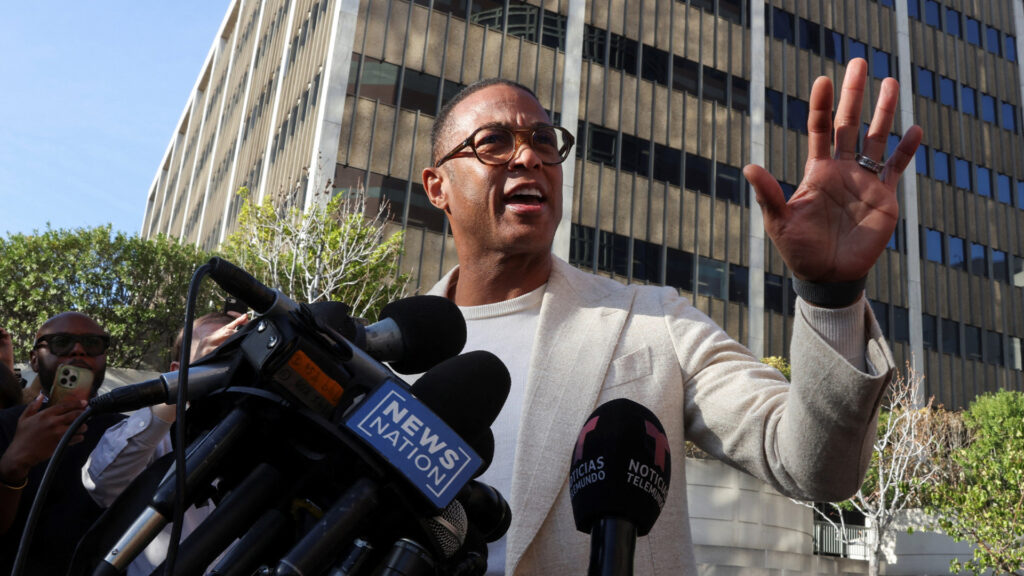
Two American journalists were arrested while covering an anti-Immigration and Customs Enforcement (ICE) protest inside a church in Minnesota. The protest had been organized to draw attention to ICE’s policies and actions, with protesters gathering within the sanctity of the church as a form of civil resistance. The journalists were present to report on the unfolding events and the perspectives of those involved. However, local authorities detained them, leading to their subsequent court appearances. The arrests have sparked discussions about press freedom, the right to report on protests, and the appropriate boundaries of law enforcement during activism events. Journalists and civil rights advocates argue that the reporters were fulfilling their professional duties and that their arrest may set a concerning precedent for media coverage of social movements. Meanwhile, law enforcement officials maintain that the arrests were related to the journalists’ presence in a restricted area during the protest. The court proceedings will examine the circumstances of the arrests and may have implications for future media access to protests, especially those advocating for immigrant rights and social justice in church sanctuaries or similar spaces. The incident also highlights the ongoing national debate surrounding ICE’s enforcement methods and the role of public dissent in shaping immigration policy discourse. Advocates for immigrant rights continue to leverage protests and symbolic spaces like churches to raise awareness and push for policy changes while journalists strive to document these critical moments in real-time. This case may set a new benchmark for the intersection of media freedom, civil protest, and law enforcement responses in the United States, attracting widespread attention from both national and international media outlets.