A brief shutdown of the US government commenced following the failure to pass funding legislation before the deadline. This impasse in government funding was primarily driven by heightened tensions between political parties, sparked by Democratic lawmakers’ anger over recent incidents involving federal agents killing two individuals during an immigration crackdown.
The shutdown marks a significant disruption, albeit short-lived, as funding negotiations reached a deadlock. The Democratic party expressed intense dissatisfaction with the federal agents’ actions, viewing them as excessive and unacceptable, which fueled their pushback against passing the budget. This stance complicated bipartisan efforts to maintain continuous government operations.
Federal operations faced interruptions as non-essential services were temporarily halted. Government employees deemed non-essential were furloughed, resulting in uncertainty for thousands of workers nationwide. Essential services continued to operate but under constrained conditions.
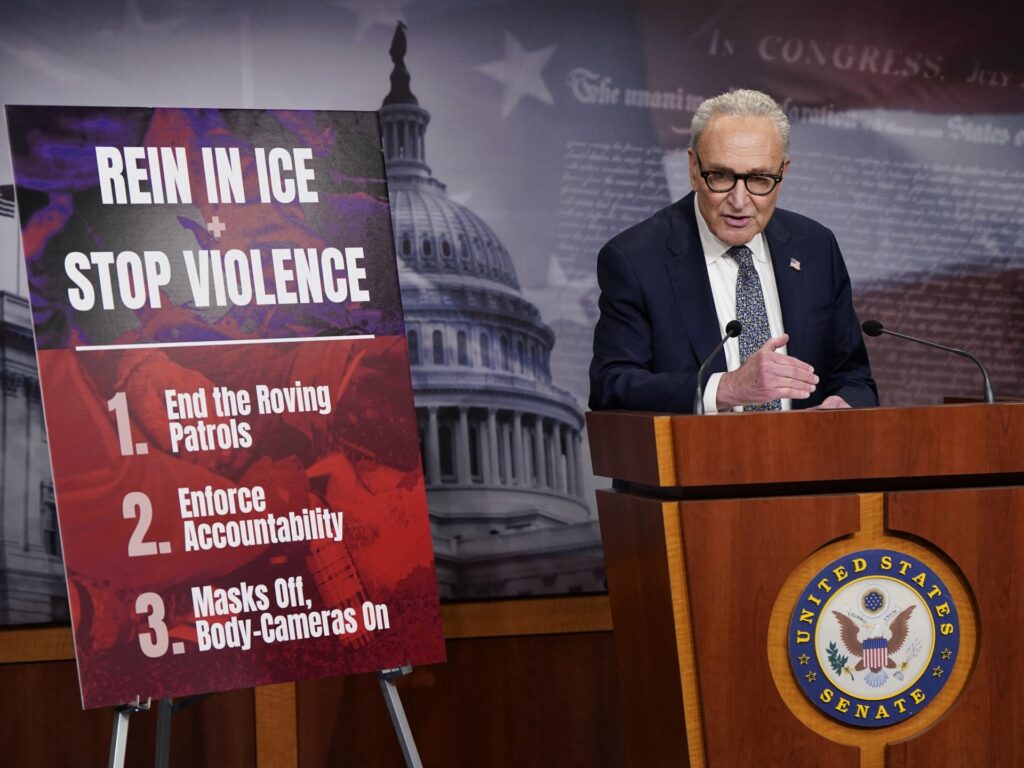
Negotiations were described as tense and fraught with unresolved conflicts over the accountability of federal law enforcement agencies and immigration policies. Democrats demanded stricter oversight and reforms tied to funding agreements, while Republicans pushed for maintaining current policies.
The shutdown underscored the deep divisions within Congress regarding immigration enforcement and governmental spending. It highlighted the challenges in balancing national security concerns with protecting civil rights during immigration crackdowns.
As pressure mounted from both the public and political figures, efforts to reach a compromise intensified. Congressional leaders resumed discussions aiming to reopen government functions swiftly and address the underlying issues driving the standoff.
The brief shutdown serves as a reminder of the fragility of government funding processes and the impact of political and social controversies on national operations. Lawmakers face growing demands to find common ground to prevent further disruptions and to restore confidence in governmental institutions.
The situation remains fluid as negotiations continue, with the hope that a resolution will be found to avoid extended government closures and to foster constructive dialogue on immigration enforcement policies moving forward.