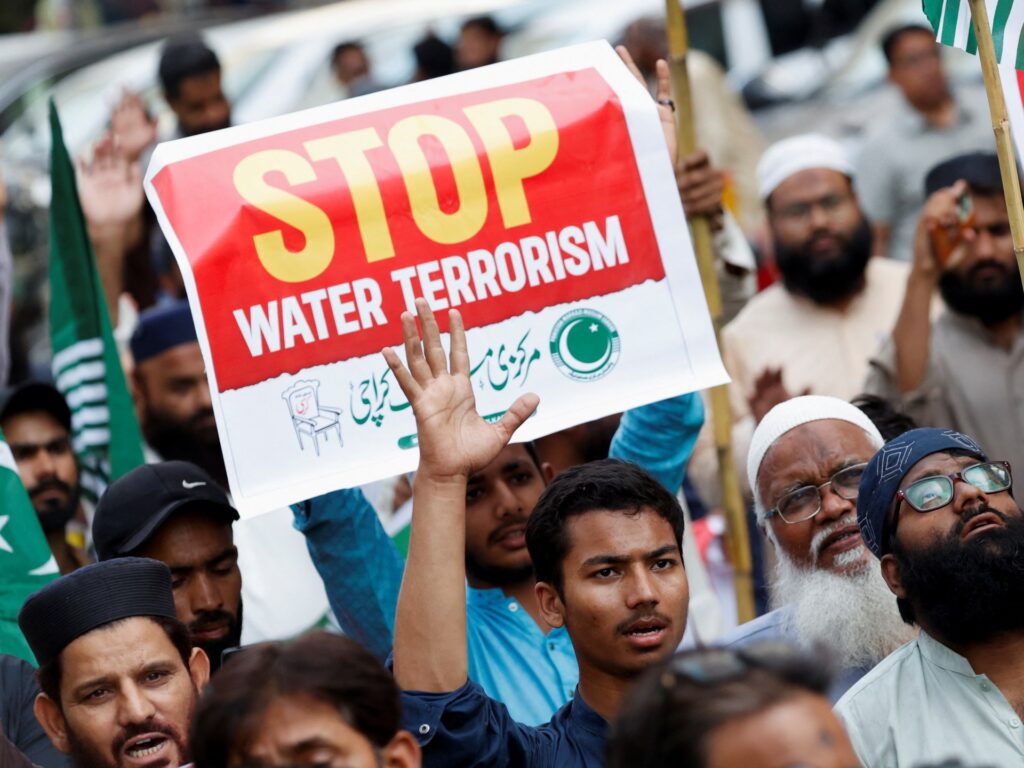
India has officially rejected an order from the Permanent Court of Arbitration (PCA) at The Hague, which demanded that India restore the terms of the Indus Waters Treaty with Pakistan. The treaty, signed in 1960, governs the use of waters from the Indus River and its tributaries, and has been a critical framework for water sharing between the two neighboring countries.
The PCA’s decision came in the backdrop of escalating tensions over water distribution and the management of the treaty. India, however, has maintained that the PCA does not have jurisdiction over the issue concerning its sovereign decisions, asserting its authority to make unilateral decisions regarding the use of its water resources.
New Delhi’s response highlights the larger geopolitical dynamics between India and Pakistan, where water resources have been a sensitive and contentious issue. India argues that its infrastructure projects on the Indus system are in compliance with its rights under the treaty and are essential for its developmental needs.
Pakistan, on the other hand, has consistently expressed concerns about potential disruptions caused by India’s actions on the river system, warning that it could affect its agricultural sector which heavily relies on the waters of the Indus.
The Indus Waters Treaty has survived multiple conflicts between the two countries, acting as a rare successful example of cooperation in a turbulent relationship. The PCA’s involvement was meant to arbitrate a dispute that Pakistan raised following India’s projects on the eastern rivers controlled under the treaty.
Experts suggest that India’s rejection of the PCA ruling could complicate future water-sharing dialogues and may increase tensions between the two countries. The international community has urged both nations to engage in dialogue to resolve their disputes amicably and maintain regional stability.
Water resources in South Asia remain a crucial issue, intertwined with national security, economic development, and regional cooperation. The rejection of the PCA’s authority by India sets a precedent for how sovereign interests may override international arbitration agreements.
The ongoing dispute underscores the necessity for renewed bilateral talks and possibly re-examining existing treaty frameworks to address the evolving needs and concerns of both countries in the changing geopolitical and environmental landscape.
In conclusion, India’s stance against the Hague court order emphasizes its commitment to its sovereign rights over its natural resources, while highlighting the complexities involved in transboundary water management between India and Pakistan. The path forward calls for diplomatic engagement with a focus on sustainable and equitable water sharing arrangements to ensure peace and development in the region.