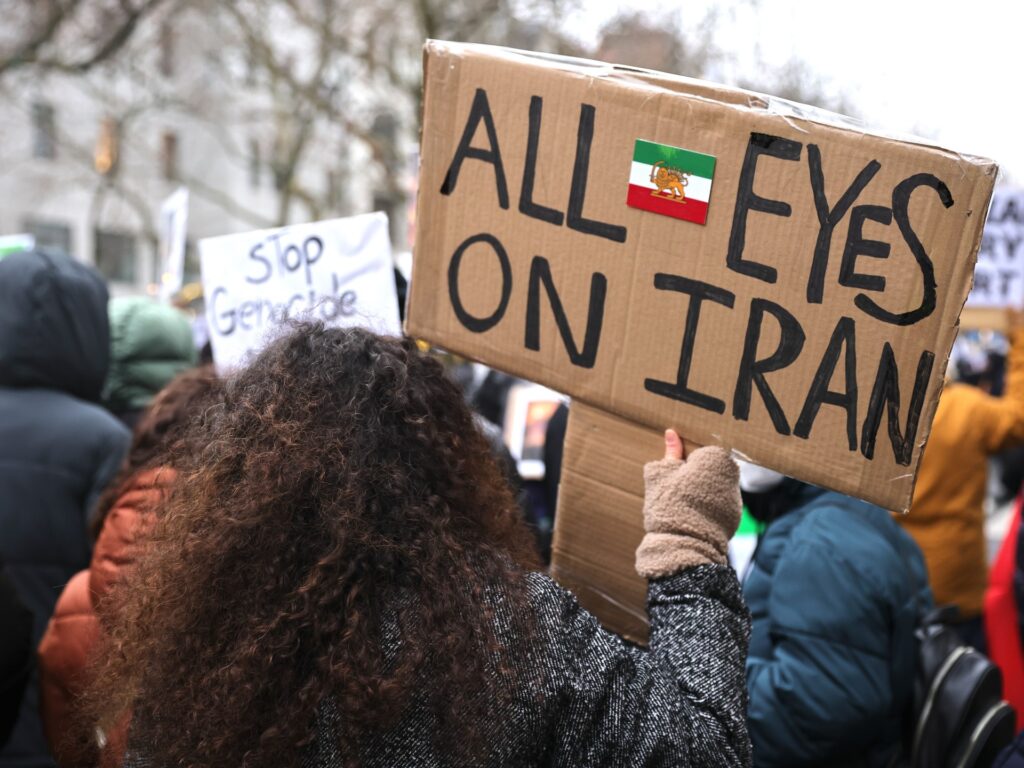
The escalating tensions between the United States and Iran have brought the international community into a diplomatic frenzy aimed at preventing an all-out war. The situation has intensified as the US considers targeted strikes against Iran amid increasing hostilities and geopolitical unrest in the Middle East.
Iran, facing the imminent threat of military action, has ramped up its diplomatic engagements, reaching out not only to its traditional allies but also to nations capable of influencing the regional balance of power. Turkiye (Turkey), a key regional player with complex relations with both the US and Iran, has emerged as a focal point in this diplomatic effort.
The Islamic Republic has initiated a series of high-level talks, seeking to de-escalate tensions and gain support to counterbalance the US’s approach. These interactions include discussions on crisis management, conflict prevention, and potential frameworks for dialogue that could avert military confrontation.
Turkiye’s unique position is pivotal, given its geographic and strategic significance bridging Asia and Europe, and its role in various regional alliances and platforms. The Turkish government has been actively mediating between Tehran and Washington, advocating restraint and renewed diplomatic dialogue.
This diplomatic outreach reflects a broader international concern about the consequences of a US strike on Iran. Such action could destabilize the already volatile Middle East, disrupt global oil supplies, and spark wider regional conflicts involving allied nations and proxy groups.
Over recent weeks, global powers including the United Nations, European Union, Russia, and China have called for urgent negotiations and restraint. They emphasize the importance of diplomacy over military solutions, reiterating the necessity to respect Iran’s sovereignty while addressing security concerns.
Meanwhile, the US administration has stated its preference for a diplomatic solution but remains prepared to act militarily if deemed necessary to protect its interests and allies in the region. American officials underscore the need to counter Iran’s nuclear ambitions and regional influence, which Washington views as destabilizing.
In response, Iran has publicly expressed its willingness to engage in direct talks but insists on certain preconditions, including the lifting of economic sanctions and guarantees of non-aggression. Tehran’s stance highlights the complexity of achieving an agreement that satisfies both parties.
This intensified diplomatic scramble illustrates the delicate balance of power and the high stakes involved in US-Iran relations. The coming weeks will be critical in determining whether these efforts can avert a potentially devastating conflict or if tensions will escalate into open warfare.
Analysts suggest that sustained international pressure and constructive engagement could pave the way for a lasting resolution. However, they caution that missteps or misunderstandings could quickly trigger unintended consequences.
As the world watches closely, the role of Turkiye and other facilitating nations will likely be instrumental in shaping the outcome. Their ability to broker dialogue, build trust, and propose viable compromises could be the key to preventing a war that many fear would have profound global repercussions.