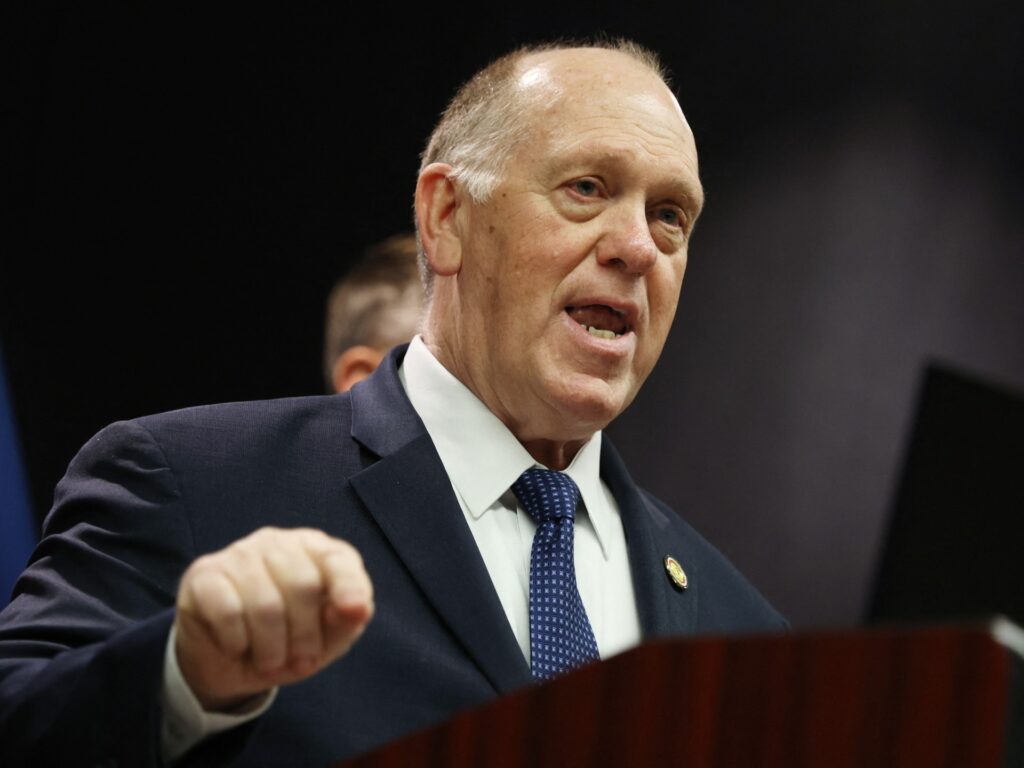
In a recent development, the Trump administration’s designated border czar has announced his commitment to remain in Minnesota until the pressing border issues in the state are fully resolved. This statement underscores the seriousness with which the administration is addressing the challenges posed by immigration and border control in the region.
Minnesota has been facing significant challenges related to immigration, with increases in migrant arrivals putting pressure on local infrastructure and resources. The border czar’s presence is intended to coordinate efforts among federal, state, and local agencies to ensure the situation is managed effectively.
The official emphasized that this is not a temporary visit but a dedicated stay aimed at implementing long-term solutions. “We will stay here until the problem is gone,” he stated, highlighting the administration’s focus on tangible results rather than short-term fixes.
Local leaders and officials have expressed cautious optimism about the federal involvement. Some have welcomed the additional resources and attention, hoping it will bring much-needed relief to communities struggling with the influx of migrants.
However, the stance has also drawn criticism from some quarters, with concerns about the approach taken toward immigrants and the potential impact on human rights and community relations.
The border czar is expected to work closely with various stakeholders to develop comprehensive strategies that address the root causes of migration, improve processing capabilities, and enhance support services for both migrants and host communities.
This move is part of a broader national effort by the Trump administration to tighten border security and manage immigration more effectively. Minnesota, due to its increasing migrant population, has become a focal point of these efforts.
Officials have stated that progress will be regularly assessed, and strategies will be adapted based on outcomes and feedback from the communities involved.
The commitment to stay in Minnesota sends a strong message of accountability and hands-on problem-solving from the federal government regarding immigration issues. Observers will be watching closely to see how this approach unfolds and its impact on the ongoing challenges faced by the state.