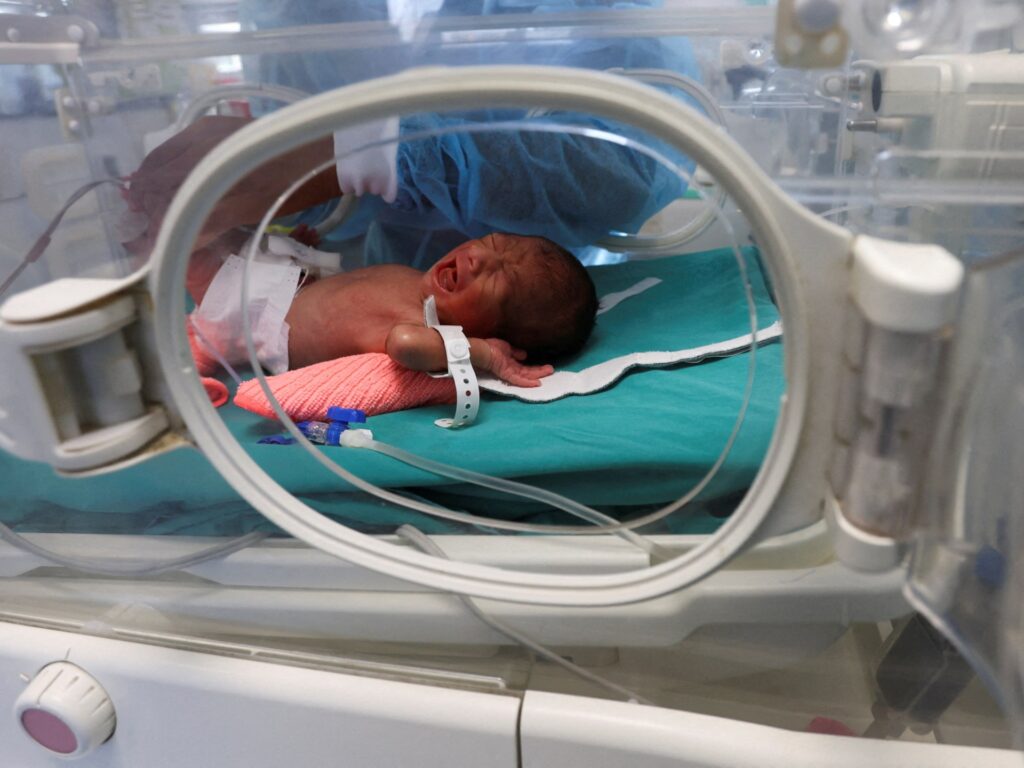
The ongoing conflict between Israel and Gaza has resulted in severe damage to the enclave’s reproductive health infrastructure, particularly targeting fertility clinics. These attacks have shattered the hopes and dreams of many families aspiring to parenthood, compounding the human toll of the war.
Gaza’s fertility clinics have long been crucial for couples struggling with infertility, providing essential medical services that enable many to conceive and build families. The facilities offer a range of treatments including in-vitro fertilization (IVF), hormone therapies, and other specialized reproductive health care.
Recent Israeli military actions have struck these clinics, destroying vital equipment and infrastructure necessary for fertility treatments. This destruction has caused an immediate halt in services, leaving countless patients without access to the care they need. The damage extends beyond physical infrastructure, affecting supply chains for medications, diagnostic tools, and other essential reproductive health resources.
Health advocates and human rights organizations have condemned these attacks, arguing that the targeting of reproductive health facilities constitutes a genocidal measure aimed at eradicating the future generations of Gaza. They assert that such actions violate international humanitarian law, which protects medical facilities and personnel during conflicts.
The impact on Gaza’s population is profound, as infertility rates in the region have been rising due to stress, poor healthcare access, and now, the destruction of fertility clinics. Many residents see parenthood as a central element of life and identity, and the loss of fertility services inflicts deep psychological distress and despair.
Medical professionals in Gaza have voiced their alarm at the scale of damage, emphasizing the long-term consequences for reproductive health. They foresee a rise in untreated infertility cases, increased maternal and infant mortality rates, and a worsening public health crisis.
Additionally, the interruption of fertility treatments disproportionately affects women, who remain key caretakers and contributors to family and social life. The loss of reproductive health services undermines their autonomy and well-being, exacerbating gender inequalities already prevalent in conflict zones.
International organizations have called for an immediate cessation of attacks on medical facilities and urgently seek to deliver aid and support to rebuild Gaza’s healthcare infrastructure. They emphasize the critical need to safeguard reproductive health services to ensure the rights and dignity of all individuals are upheld.
As the conflict persists, the international community faces pressing questions about accountability and the protection of civilians under international law. The devastating impact on Gaza’s fertility clinics serves as a stark reminder of the broader humanitarian crisis unfolding and the urgent need for peaceful resolution.
In summary, Israel’s attacks on Gaza’s fertility clinics have not only destroyed physical infrastructure but have significantly eroded the hopes of parenthood for many individuals and families. This crisis highlights the intersection of medical, humanitarian, and human rights concerns amidst ongoing conflict, demanding concerted attention and action from global actors.