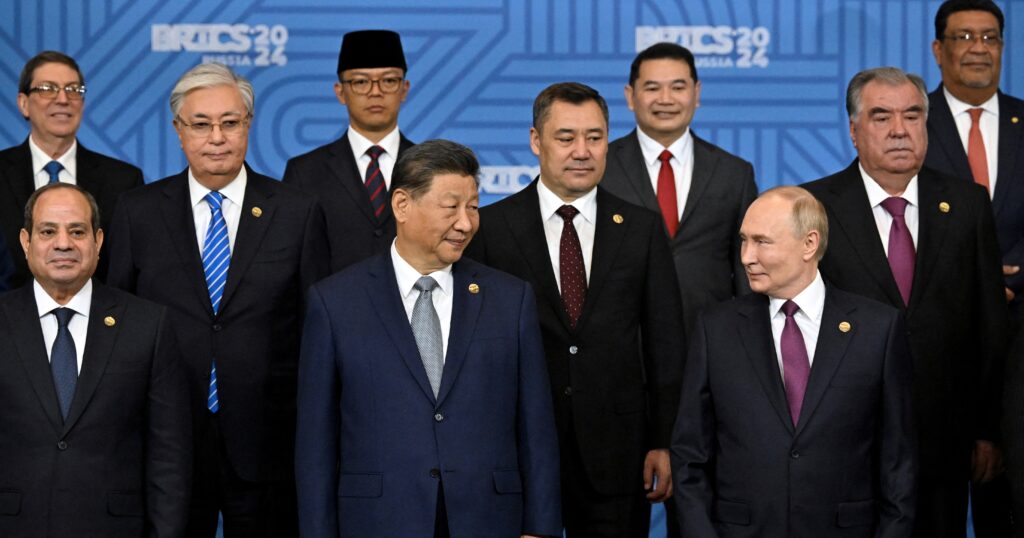
China’s role in global geopolitical transformations is both significant and multifaceted, shaped by a delicate and complex paradox within its foreign policy: the simultaneous desire to project power and the strategic goal to avoid direct conflict. As the world witnesses a shifting balance of power, China has emerged as a pivotal actor, influencing international relations, economic dynamics, and security architectures.
At the core of China’s geopolitical strategy lies the ambition to establish itself as a preeminent global power. This ambition is expressed through various channels including economic initiatives like the Belt and Road Initiative, military modernization, and expansive diplomatic engagements. These efforts allow China to expand its influence across Asia, Africa, Europe, and beyond, securing critical trade routes and forging new alliances.
Despite its growing assertiveness, China consciously calibrates its foreign policy to minimize the risk of open conflicts. This paradox is evident in Beijing’s approach to contentious issues such as the South China Sea disputes, Taiwan, and its relations with major powers like the United States, Russia, and the European Union. China prefers strategic ambiguity and leverages soft power and economic dependencies to achieve its aims without triggering overt military confrontations.
One manifestation of this dual approach is China’s emphasis on multilateralism and participation in international institutions. By positioning itself as a champion of global governance reforms and an advocate for developing countries, China projects a responsible great power image while counterbalancing Western influence.
China’s military modernization, meanwhile, is designed not merely for power projection but also for deterrence and defense. The People’s Liberation Army has undergone significant reforms, focusing on advanced technologies and joint operational capabilities, ensuring that China can protect its interests without escalating conflicts unnecessarily.
On the economic front, initiatives such as the Asian Infrastructure Investment Bank and the Digital Silk Road represent tools of soft power, fostering economic interdependence and enhancing China’s influence in global supply chains and digital infrastructure.
Moreover, China’s cautious diplomacy reflects an understanding of current global complexities. It navigates the pressures of U.S.-China rivalry with a mix of cooperation and competition, seeks to avoid entanglement in distant conflicts, and aims to build regional security frameworks that complement its interests without provoking hostility.
In sum, China’s global geopolitical role is that of a rising power striving to reshape the international order to reflect its interests and values while carefully managing the risks that come with its ascent. It balances projections of strength with strategies designed to maintain stability and avoid conflict, navigating the challenging terrain of contemporary geopolitics with a nuanced and pragmatic approach. This balance will continue to define China’s interactions on the world stage and influence global geopolitical transformations for years to come.