The United States government has issued a stern warning to Haiti’s Transitional Presidential Council, signaling potential action if the council fails to fulfill its electoral responsibilities. This statement from the Trump administration underscores concerns about delays and instability in Haiti’s political transition.
Haiti has been navigating a turbulent political landscape following the assassination of its president, leading to the formation of a Transitional Presidential Council tasked with steering the country towards democratic elections. However, the timeline and commitment to conducting these elections have come under scrutiny both domestically and internationally.
The US message, marked by a clear threat of intervention, reflects the increasing impatience among international actors who view timely elections as crucial for Haiti’s restoration of stable governance and political legitimacy.
Officials from the Trump administration stressed that the United States will “act accordingly” if the council does not move forward promptly with organizing free and fair elections. This underscores a diplomatic approach that combines pressure and potential consequences to motivate the Haitian authorities.
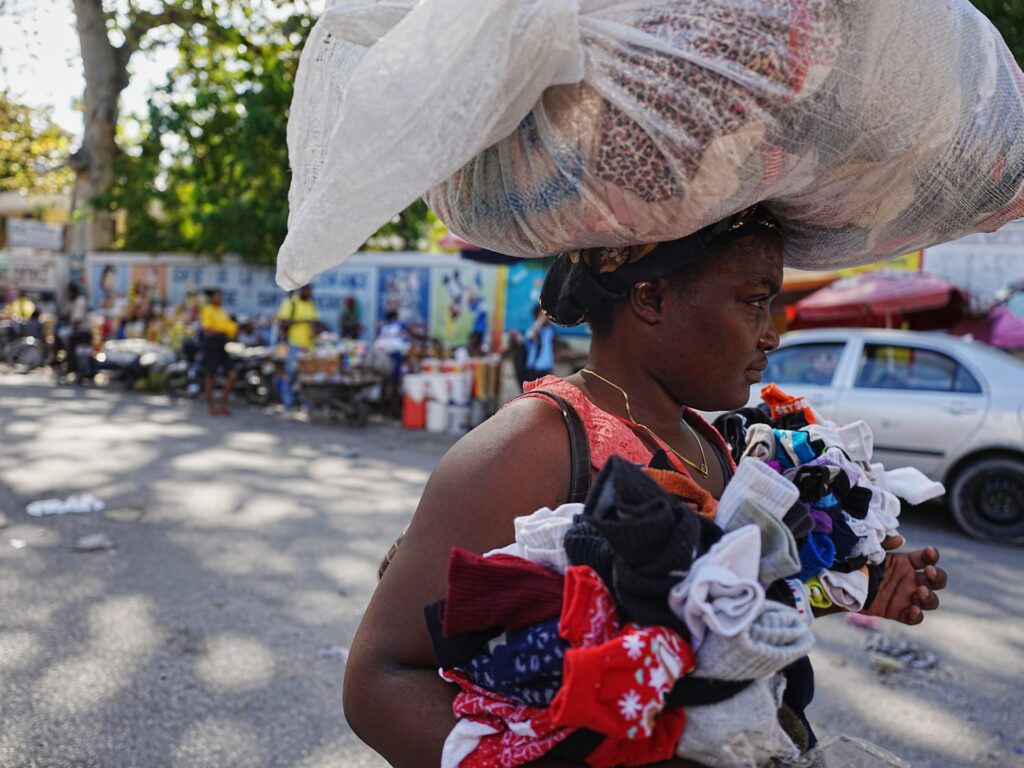
Haiti’s political environment remains fragile, with widespread public dissatisfaction and protests demanding swift democratic processes and transparency. The Transitional Presidential Council has acknowledged these pressures but faces logistical, political, and security challenges.
International stakeholders, including the United Nations and regional partners, have also been urging Haiti to adhere to its commitments. The US position adds significant weight to these calls, emphasizing that failure to advance electoral processes could lead to increased isolation or sanctions.
The election delay fears highlight deeper systemic issues in Haiti’s governance structures, including challenges in organizing elections amidst poverty, infrastructure deficits, and security threats from gangs and other armed groups.
As the Transitional Presidential Council evaluates its next steps, the US warning may incentivize accelerated efforts toward establishing a clear electoral calendar and addressing the operational hurdles.
The situation signals a critical juncture for Haiti’s democracy; successful elections could pave the way for renewed international support and domestic stability, whereas failure could deepen political uncertainty.
The Trump administration’s stance reveals a broader strategy of leveraging diplomatic pressure to encourage democratic transitions in politically unstable regions. Observers will be watching closely to see how the Haitian council responds and whether international actors escalate their involvement.
In summary, the US government’s warning to act against Haiti’s Transitional Presidential Council if it fails to hold elections reflects deep concerns about Haiti’s political future and a firm commitment to supporting democratic governance. The coming weeks will be pivotal in determining Haiti’s path forward and the role international influence will play in shaping that trajectory.