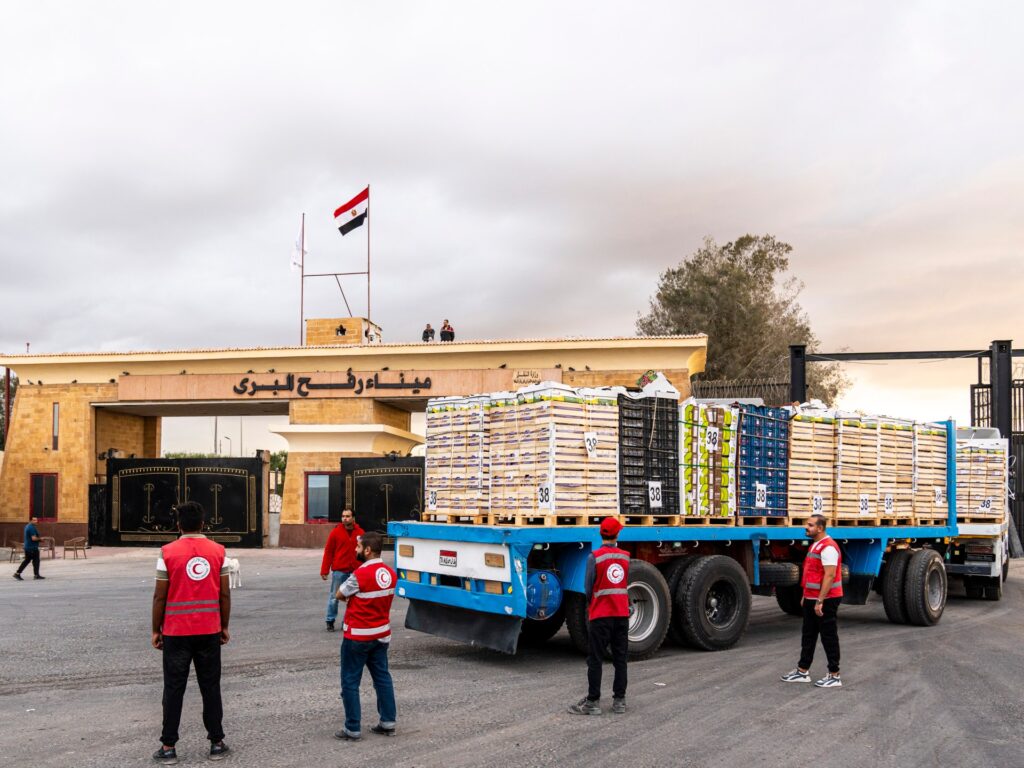
In a significant development, the Rafah crossing between Gaza and Egypt is set to reopen next week, according to a statement made by Palestinian official Ali Shaath. The reopening of this critical border crossing comes at a pivotal moment and is expected to have substantial implications for the movement of people and goods in and out of Gaza.
Ali Shaath, a US-backed technocrat leader, made the announcement amidst a backdrop of heightened attention to Gaza’s humanitarian and economic conditions. The reopening aims to ease the stringent restrictions that have long affected Gaza’s population, providing some relief from the isolation and economic challenges faced by residents.
This announcement coincides with the launch of the ‘Board of Peace’ for Gaza by then US President Donald Trump. The Board is part of a broader strategy to promote stability and development in the Gaza Strip, aiming to foster peace and improve living standards.
The Rafah crossing is the only non-Israeli controlled entry and exit point for Gaza, making its status critical for the flow of aid, commercial goods, and individuals seeking to travel. Its closure in recent years has been a significant factor in Gaza’s economic hardship, contributing to shortages of essential goods and limiting opportunities for residents.
The reopening is expected to enhance humanitarian aid delivery and stimulate economic activity by facilitating trade and commerce. It may also improve the ability of patients, students, and others needing to travel for medical treatment or education to leave Gaza more easily.
However, the decision to open the crossing is also viewed through the lens of regional politics and security concerns. Both Egyptian and Palestinian authorities will likely work closely to ensure that the crossing operates smoothly and securely.
The timing of this development, alongside the launch of the US-supported Board of Peace, suggests a coordinated effort to address longstanding issues in Gaza with a combination of diplomatic and practical measures.
Residents of Gaza have expressed cautious optimism about the crossing’s reopening, hoping it will mark the beginning of improved mobility and access to essential resources. The move is also likely to have political ramifications within Palestinian territories and among neighboring countries.
As the date for the reopening approaches, attention will be on the implementation details, including the crossing’s operational hours, security protocols, and the types of goods and individuals permitted passage.
International stakeholders, including humanitarian organizations and neighboring states, will be monitoring the situation closely, recognizing the Rafah crossing’s critical role in regional stability and humanitarian relief.
In summary, the reopening of the Rafah crossing between Gaza and Egypt represents a hopeful step forward in alleviating the hardships faced by Gaza’s population. Coupled with the launch of the US-backed Board of Peace, these developments signal a potential shift towards improved conditions and greater regional cooperation in addressing Gaza’s challenges.