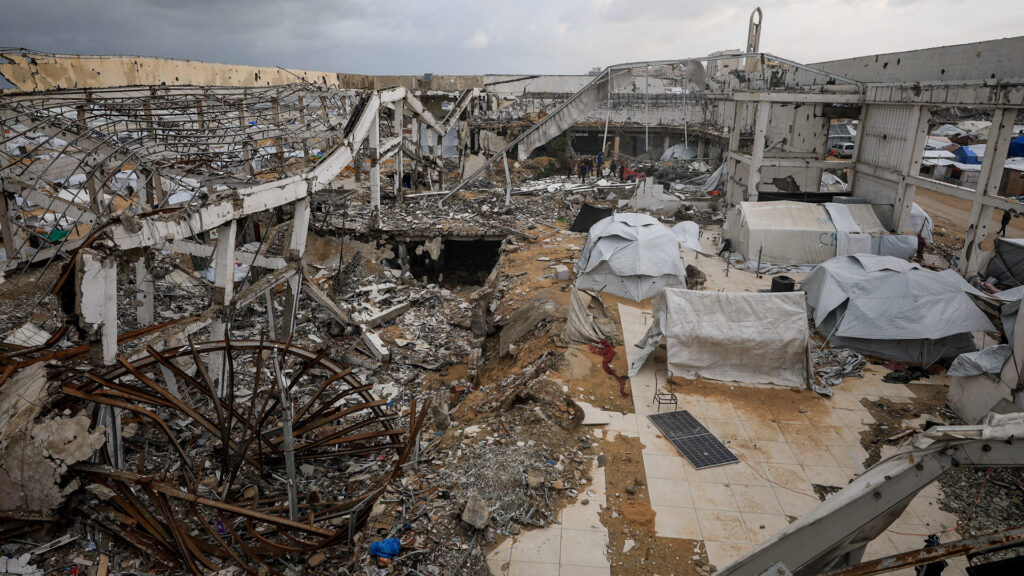
In a surprising and controversial development, Benjamin Netanyahu, the Prime Minister of Israel, has reportedly joined the so-called ‘Board of Peace’ concerning Gaza, sparking widespread disbelief and skepticism among Palestinians in Gaza. The announcement came amid ongoing tensions and conflict in the region, where peace efforts have often been met with deep mistrust and resistance from both sides.
The notion of Netanyahu, a figure seen by many Palestinians as a hardliner, aligning with a peace initiative dedicated to Gaza has triggered strong reactions. Palestinians expressed skepticism about the authenticity and intentions behind his involvement, questioning whether this move could genuinely contribute to peace or if it was merely a political maneuver.
Residents and political leaders in Gaza highlighted their historical experience with Netanyahu’s policies, particularly his government’s stance on settlements, military actions, and blockade enforcement. Many view his participation in the Board of Peace as contradictory to previous actions that have resulted in insecurity and hardship for Palestinians.
Social media platforms in Gaza have been abuzz with discussions, with many citizens voicing outrage, while others remain cautiously hopeful but reserved about any meaningful change. Analyst commentators suggest that Netanyahu’s joining the Board may be an attempt to reshape Israel’s image internationally or to influence peace narratives in favor of Israeli interests.
Diplomatic observers have noted that peace initiatives involving Gaza often face significant obstacles, including political fragmentation within Palestinian leadership, security concerns, and mutual distrust between Israel and Palestinian factions. Netanyahu’s controversial political legacy adds another layer of complexity to these peace efforts.
The international community has yet to issue a unified response to this news, with key players continuing to advocate for a lasting resolution through dialogue and negotiation. However, the reactions from Gaza overwhelmingly underscore the depth of skepticism and the challenges ahead for any peace process involving Netanyahu and Gaza.
As the situation develops, all eyes remain on the implications of this unexpected appointment and whether it can bridge divides or deepen existing tensions in one of the world’s most enduring conflicts.