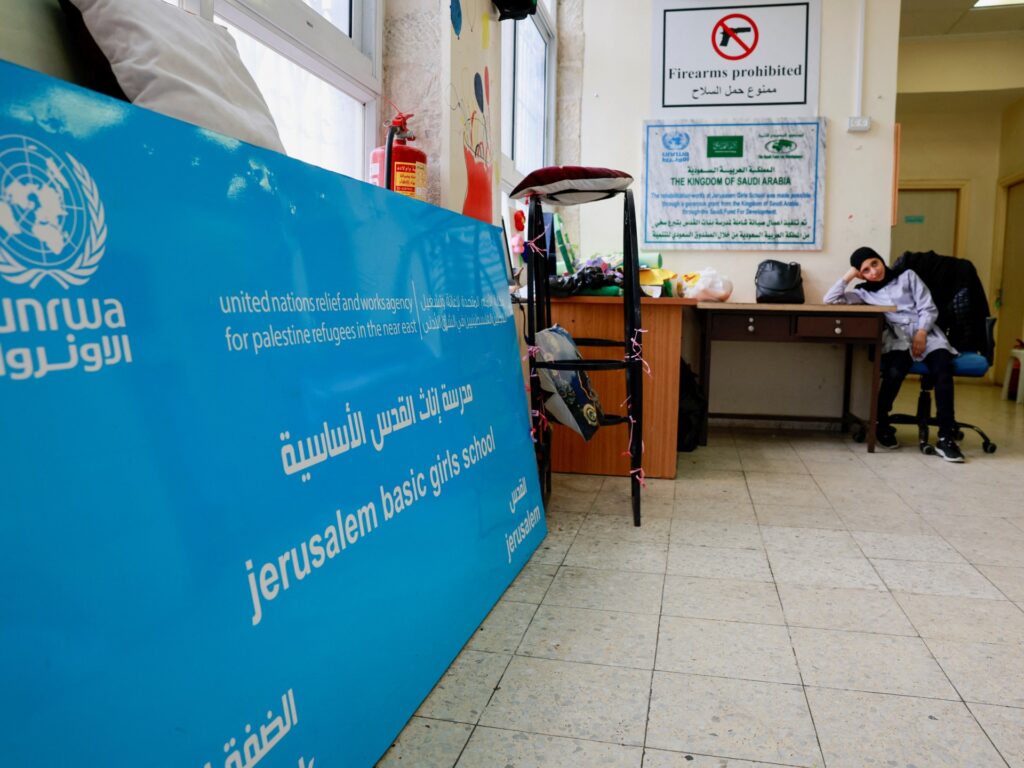
In a recent and controversial move, Israeli authorities have bulldozed buildings belonging to the United Nations Relief and Works Agency for Palestine Refugees in the Near East (UNRWA) in occupied East Jerusalem. This act has sparked widespread concern and condemnation from international communities and humanitarian organizations.
The demolition of UNRWA buildings is part of a broader clampdown by Israel on non-governmental organizations (NGOs) providing humanitarian aid to Palestinians, particularly those aiding civilians in Gaza. This crackdown appears to be intensifying amid ongoing tensions in the region.
The targeted UNRWA facilities have long served as vital centers for Palestinian refugees, offering essential services such as education, healthcare, and social support. Their destruction threatens to severely disrupt these services, exacerbating an already dire humanitarian situation.
Occupied East Jerusalem, annexed by Israel but considered occupied territory by much of the international community, remains a focal point of Israeli-Palestinian conflict. The demolition of humanitarian infrastructure in this contested area has further inflamed political tensions.
Human rights advocates argue that the demolition undermines international law, which protects humanitarian aid institutions in conflict zones. Many view this act as a punitive measure against Palestinians, aimed at restricting aid organizations’ ability to operate effectively.
Israeli officials justify the demolitions on various grounds, including claims of illegal construction and security concerns. However, critics call for transparency and adherence to international humanitarian standards.
The destruction of UNRWA buildings aligns with recent policies tightening control over NGOs operating in Gaza, where a humanitarian crisis persists due to blockades and recurrent conflicts. Humanitarian workers warn that restrictions on aid delivery are worsening living conditions for the already vulnerable Palestinian population.
The international response has included calls from the United Nations and human rights groups for Israel to halt demolitions and respect the mandate of humanitarian agencies. There are growing demands for dialogue and measures to ensure aid can reach those in need without obstruction.
This development underscores the complex dynamics of the Israeli-Palestinian conflict, particularly regarding the provision and protection of humanitarian aid amidst political and security challenges. The preservation of aid infrastructure is critical to alleviating suffering and supporting human rights in the region.