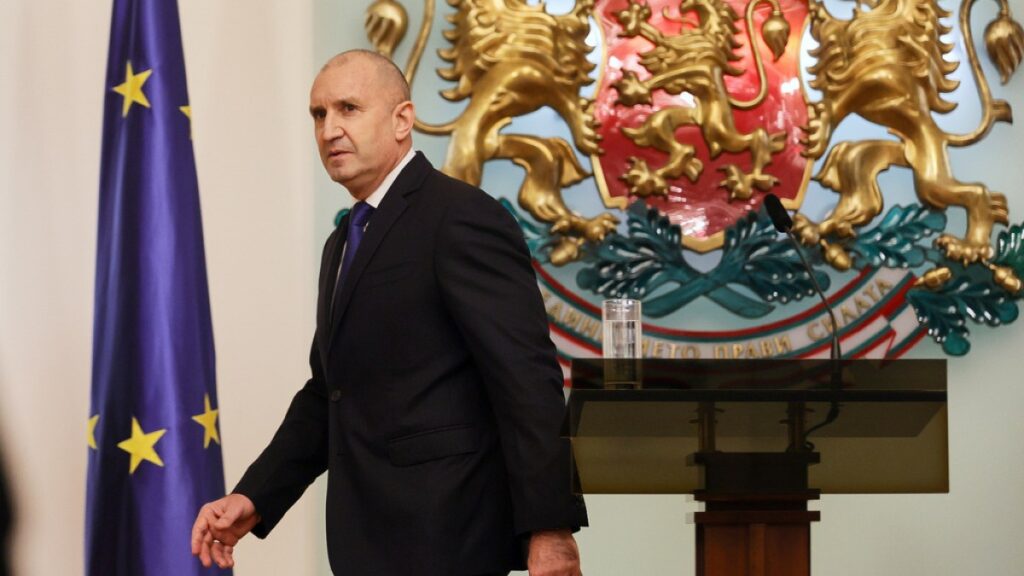
Bulgaria is on the brink of significant political change as President Rumen Radev announced his intention to resign ahead of the country’s upcoming snap elections. This unexpected move signals a pivotal moment in Bulgaria’s political landscape. Rumen Radev, who has served as the President of Bulgaria since 2017, is widely expected to establish his own political party prior to the snap vote. The timing and circumstances of his resignation have sparked widespread discussion among political analysts and the public alike.
Radev’s decision to step down before the snap elections is seen as a strategic effort to leverage his political influence more directly by entering the electoral arena as a party leader. The creation of a new political party by a sitting president is a rare and bold step in Bulgarian politics, indicating Radev’s ambition to shape policy and governance beyond his presidential term.
This move comes amid ongoing political instability in Bulgaria, with the snap elections called to resolve a fragmented parliament and an uncertain government majority. The elections themselves are critical, as they will determine the future direction of Bulgaria’s government and its handling of pressing national and international issues.
President Radev’s anticipated political party is expected to attract significant attention, given his popularity and the visibility he has gained during his presidency. His leadership style and policy positions, especially on issues like anti-corruption, judicial reforms, and Bulgaria’s role in the European Union, have resonated with many citizens.
Political observers predict that Radev’s entry into partisan politics could significantly alter the political balance in Bulgaria. Established parties may need to reassess their strategies, while voters might find themselves with a new prominent political option. The formation of his party could either consolidate opposition forces or further fragment the political spectrum, depending on how alliances develop before the snap vote.
The Bulgarian political system will closely watch the procedural aspects of Radev’s resignation and the subsequent formation of his party. Questions remain about the exact timeline of these events and how they will influence the electoral campaign. The government and electoral commission must ensure a smooth transition to maintain confidence in the democratic process.
International partners and observers are also paying close attention to Bulgaria’s evolving political scene. As a member of the European Union and NATO, Bulgaria’s stability is vital to regional security and cooperation. Radev’s previous tenure has included navigating complex relationships with both Western allies and neighboring countries, and his new political role could impact these dynamics.
In summary, President Rumen Radev’s intention to resign ahead of the snap election and form his own political party represents a major development in Bulgarian politics. This bold step reflects his desire to actively participate in shaping Bulgaria’s future government and policy direction. The coming weeks will be crucial as the political landscape adjusts to this change, and voters prepare to decide the country’s path forward in the upcoming elections.