Yemen is currently confronting its most severe food crisis since the year 2022, according to warnings issued by humanitarian aid groups. The nation is grappling with a dire combination of factors that have pushed millions of its citizens toward extreme hunger as the situation deteriorates in 2026.
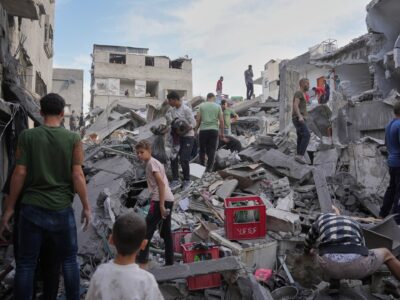
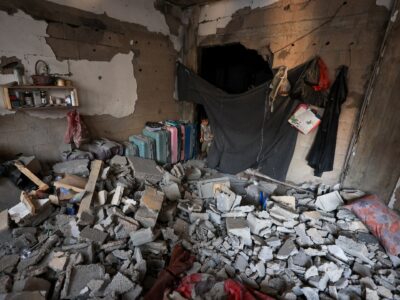
Key contributors to this catastrophic situation include significant reductions in international aid, ongoing conflict, and a collapsing economy. Yemen has been embroiled in a brutal civil war for years, which has disrupted food supplies, displaced millions, and destroyed vital infrastructure.
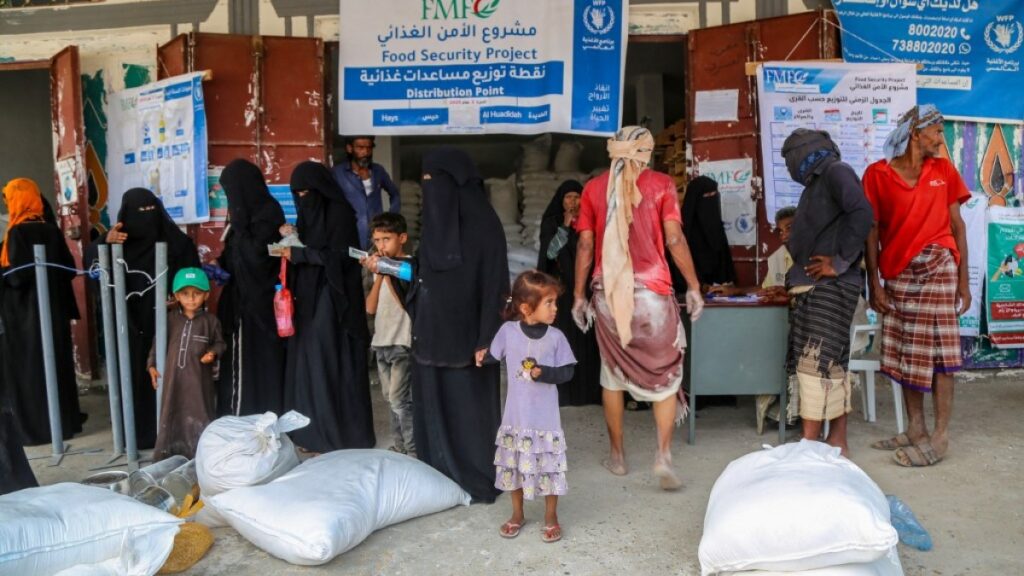
Aid programs that have historically helped sustain vulnerable populations are now being cut back due to funding shortages and logistical challenges in a volatile security environment. The reduction in aid has left many Yemenis without access to essential nutrition and services.
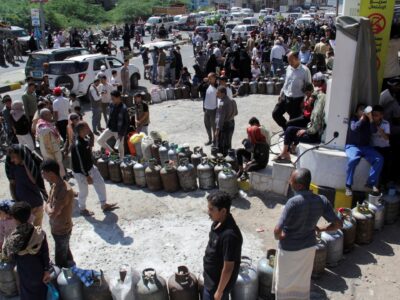
Additionally, the country’s economic collapse has severely limited purchasing power for ordinary families. Inflation and unemployment have soared, making food unaffordable for a growing percentage of the population.
Humanitarian organizations are urgently calling for renewed international support to prevent widespread starvation and to stabilize the region. They emphasize that without immediate and increased aid, the hunger crisis will deepen, risking the lives of millions more.
Efforts to broker peace in Yemen have seen limited progress, and the continuation of hostilities only exacerbates the food insecurity. The international community is urged to address both the political conflict and humanitarian needs to forge a path toward stability.
This grim food crisis is not only a health emergency but also a profound social and economic threat that undermines the country’s future. The world is watching closely, and the response in the coming months will be critical in determining Yemen’s trajectory.
In summary, Yemen’s worst food crisis since 2022 is a convergence of sustained conflict, economic meltdown, and dwindling aid resources. Urgent coordinated global action is necessary to save lives and provide hope for recovery in one of the world’s most fragile regions.