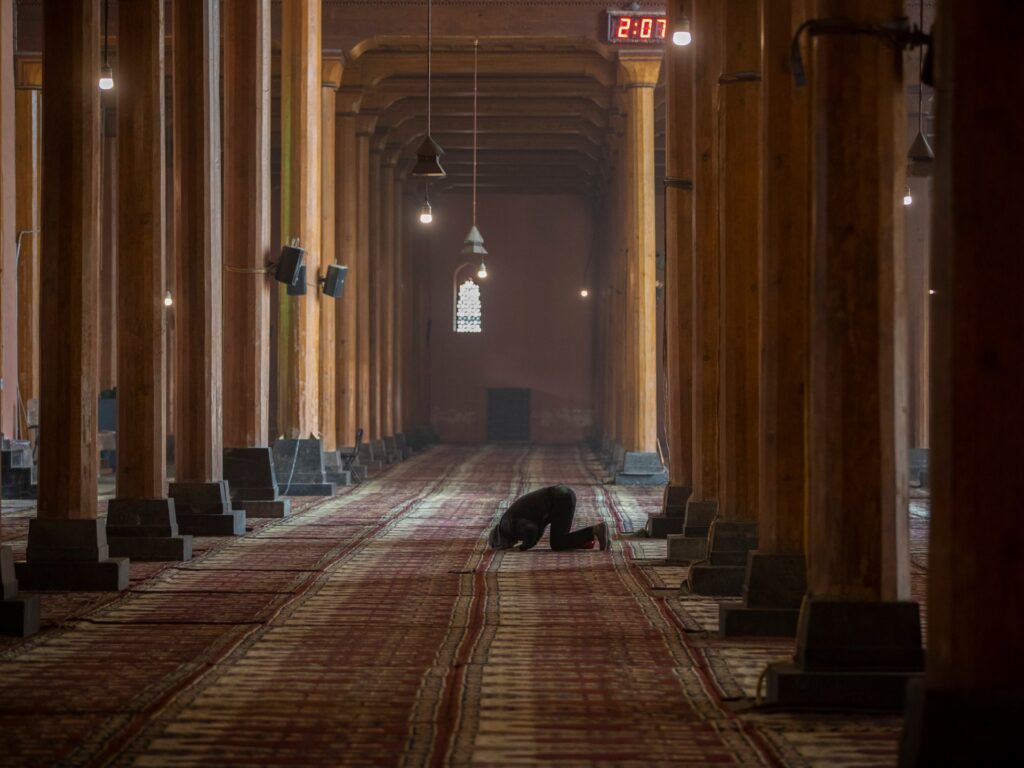
In the volatile region of Kashmir, recent reports indicate that Indian authorities have begun profiling mosques, sparking widespread fears among residents about increased surveillance and potential infringement on religious freedoms. Witnesses and community members describe the police presence and activities not as routine inspections, but rather as a form of control over religious institutions.
Kashmir, a region long marred by political unrest and conflict, has seen heightened security measures over the years by Indian forces aimed at maintaining order. However, the new policing approach targeting mosques is causing unease among locals, who view it as an encroachment on their religious practices and autonomy.
According to residents, police officers are visiting mosques under the guise of routine surveys, but their actions suggest more intrusive intentions. These include documenting attendees, monitoring sermons, and scrutinizing mosque administrations more closely than before.
Religious leaders and community members argue that this level of scrutiny disrupts religious activities and breeds mistrust between the public and law enforcement agencies. They express concerns that such measures could lead to profiling based on religion, undermining the principles of religious freedom and human rights.
The Indian government, on the other hand, frames these activities as necessary for security and counter-terrorism efforts. Officials assert that monitoring places of worship is crucial to prevent the misuse of religious platforms by extremist elements.
This approach raises complex questions about balancing national security with the protection of civil liberties. Human rights organizations have voiced apprehension over what they see as disproportionate targeting of Muslim communities in Kashmir.
The surveillance fears are compounded by Kashmir’s history of conflict and alienation, where trust in authorities remains fragile. Many residents perceive the profiling as a continuation of policies that marginalize their community rather than ensure their safety.
Experts warn that increased surveillance of religious sites could exacerbate tensions and hinder efforts at peacebuilding. They advocate for dialogue and transparency between the government and local religious groups to address security concerns without compromising religious freedoms.
International observers are closely watching the situation, highlighting the importance of upholding human rights standards in conflict-prone areas. The profiling of Kashmir mosques signifies a critical juncture where security policies must be carefully weighed against the risk of deepening societal divisions.
As tensions simmer, the discourse around Kashmir’s mosques underscores a broader struggle faced by many regions balancing security with respect for religious and cultural identities. The outcome of these policies will significantly impact the region’s stability and the trust between its people and the state.
In conclusion, the profiling of mosques in Kashmir by Indian authorities is raising alarms about surveillance overreach and religious freedom infringements. The situation calls for careful reassessment to ensure that security efforts do not erode the fundamental rights of the region’s inhabitants.