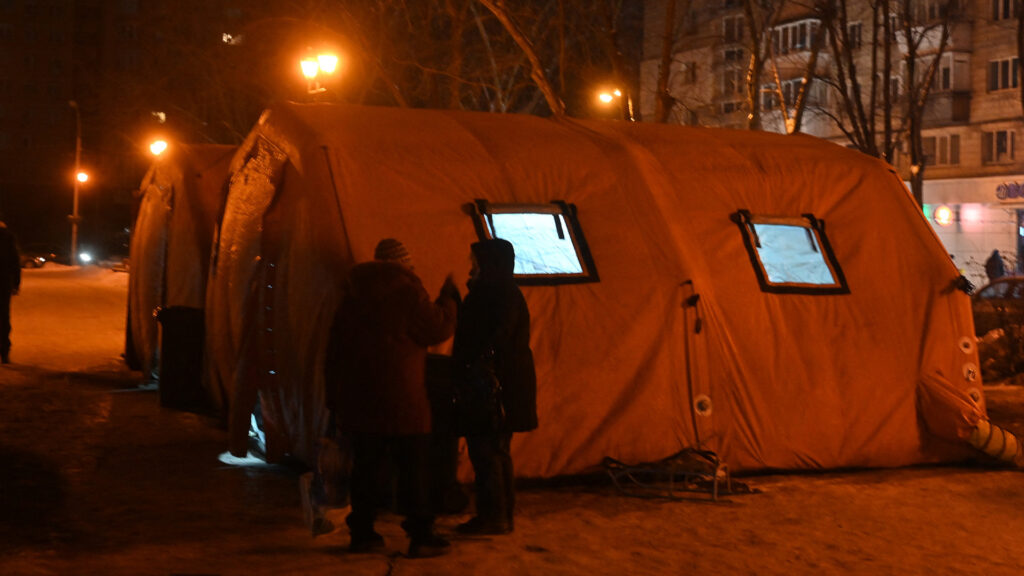
As the brutal cold grips Ukraine, a disturbing strategy has emerged amid the ongoing conflict: Russia is weaponising the freezing weather to intensify the hardships faced by the Ukrainian population. This chilling tactic involves deliberate attacks on Ukraine’s energy infrastructure, plunging cities like Kyiv into freezing darkness and leaving millions without reliable heat during the harsh winter months.
In recent weeks, Russian forces have targeted critical components of Ukraine’s energy grid, including power plants and transmission lines. These attacks have triggered widespread blackouts, severely disrupting the distribution of electricity and heating across major urban centers. Kyiv, the capital city, is among the most affected regions, where thousands of residents struggle to keep warm in what should be a sanctuary from the cold.
The timing of these assaults appears calculated to exploit the coldest period of the year, maximizing human suffering and exerting psychological pressure on Ukrainian civilians. Without access to consistent electricity, heating systems fail, water supplies can freeze, and essential medical equipment becomes inoperable. Vulnerable populations, such as the elderly and children, face heightened risks of hypothermia and other cold-related health emergencies.
This form of energy warfare disrupts daily life, forcing many residents to seek alternate means of heating, often resorting to dangerous methods like burning wood or coal indoors, which carries risks of fires and carbon monoxide poisoning. Additionally, the destruction of energy infrastructure hampers Ukraine’s ability to maintain critical services, complicating the efforts of emergency responders and healthcare providers.
Experts note that these attacks represent a shift in warfare tactics, where targeting civilian infrastructure has become a deliberate strategy to break the morale of a nation and undermine its resilience. By weaponising freezing weather conditions, Russia is inflicting not only physical harm but also psychological trauma on the Ukrainian people.
International observers have condemned these attacks as violations of international humanitarian law, which protects civilian infrastructure and calls for the safeguarding of populations during armed conflict. Calls for urgent humanitarian assistance have intensified, with organizations mobilizing resources to provide heating supplies, shelter, and medical aid to those affected by the cold and energy shortages.
The Ukrainian government has responded by implementing emergency measures to restore power and distribute heating equipment to vulnerable areas, but the ongoing attacks and freezing temperatures continue to create an enduring humanitarian crisis.
In the face of this winter warfare, the resilience of the Ukrainian people remains strong. Communities are coming together to support one another, sharing resources, and finding innovative ways to stay warm and safe. Yet, the weaponisation of the cold remains a dark reminder of the lengths to which warfare can extend beyond the battlefield, turning nature itself into a tool of conflict.
As the world watches, the situation in Ukraine underscores the urgent need for renewed efforts toward peace and the protection of civilian lives amid the devastating winter conditions exacerbated by the ongoing war.