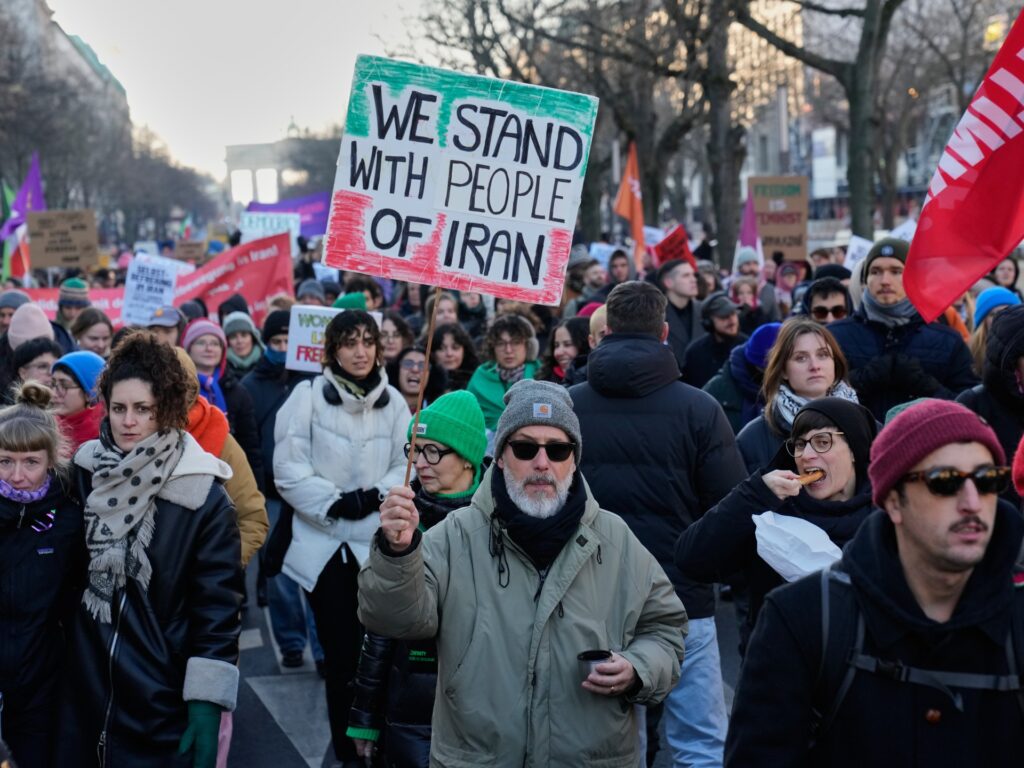
The recent nationwide protests in Iran have resulted in a tragic loss of thousands of lives, igniting a fierce narrative war about who holds responsibility for the deadly crackdown. Both the Iranian government and opposition factions present starkly different accounts, reflecting deep political and ideological divides within the country.
Iranian officials have accused external forces, particularly the United States and Israel, of instigating the unrest. Tehran claims these foreign powers are behind efforts to destabilize the regime in hopes of triggering regime change. They argue that these countries have provided support and encouragement to protest movements, intensifying the turmoil. Iran’s government maintains that much of the violence and deaths stem from foreign-sponsored sabotage and chaos, attempting to delegitimize the protests.
On the other side, opposition groups, human rights organizations, and various international observers hold Iran’s security forces responsible for the majority of the deaths. According to reports from opposition sources, state forces have applied excessive force in an effort to suppress dissent. Protesters accuse the regime’s security apparatus—comprising the Revolutionary Guards, Basij militias, and other law enforcement agencies—of carrying out brutal crackdowns including shootings, beatings, and mass arrests.
Eyewitness accounts and videos circulated widely on social media corroborate claims of severe repression. They show confrontations between demonstrators and security personnel, with many alleging that unarmed protesters were deliberately targeted. Human rights groups have documented numerous cases of torture, enforced disappearances, and extrajudicial killings linked to the security response.
The narrative war extends beyond blaming the immediate actors. Iran’s government frames the protests as a foreign-backed conspiracy aimed at undermining national sovereignty, while the opposition underscores the indigenous grievances and demands for justice, freedom, and human rights. This clash of narratives complicates efforts to get a clear picture of the tragedy amid state-imposed media restrictions and misinformation.
International reactions vary, with some countries condemning Iran’s harsh suppression and calling for independent investigations, while others echo Tehran’s assertions about foreign interference. The Iranian diaspora plays a critical role in amplifying the opposition’s voice internationally, further deepening the narrative divide.
In sum, responsibility for the thousands of deaths during Iran’s protests remains fiercely contested. The government blames external provocateurs, while the opposition and various reports point to state forces. This narrative war profoundly shapes internal politics, international diplomacy, and prospects for Iran’s future stability.