The US air authority has issued a warning about increased “military activities” taking place over Mexico and South America, marking a significant alert for the region’s airspace security. This announcement coincides with Mexican President Claudia Sheinbaum’s recent statement about achieving “compelling results” in the fight against drug cartels, a fight that intensified amid previous US threats of military strikes during the Trump administration.
The warning highlights the growing concerns over airborne operations potentially related to military maneuvers or surveillance above these regions. While specific details about the nature or actors involved in these military activities were not immediately disclosed, the alert signals a heightened state of vigilance and a call for regional cooperation in monitoring air traffic.
Mexico has been battling drug cartels for decades, with fluctuating levels of violence and law enforcement success. President Sheinbaum’s recent comments suggest progress in curbing cartel influence, which has historically been linked to organized crime, violence, and illicit drug trafficking across borders.
The Trump administration previously hinted at direct military interventions to knock down cartel infrastructure, raising tensions between the US and Mexico. However, such actions were met with diplomatic resistance and concerns over sovereignty. Current developments may reflect a change in strategy or an increased need for surveillance due to complex security dynamics in the region.
Experts note that increased military activities in the airspace could be connected to joint operations, intelligence gathering, or preventive measures to counteract drug trafficking and associated criminal enterprises. Such activities require delicate handling to maintain diplomatic relations and respect national boundaries.
Analysts warn that without clear communication and cooperative security frameworks, military actions over shared or adjacent airspaces could escalate into unintended conflicts or diplomatic incidents. Continuous information sharing and transparency between the US and Latin American countries are deemed essential to manage the evolving security landscape.
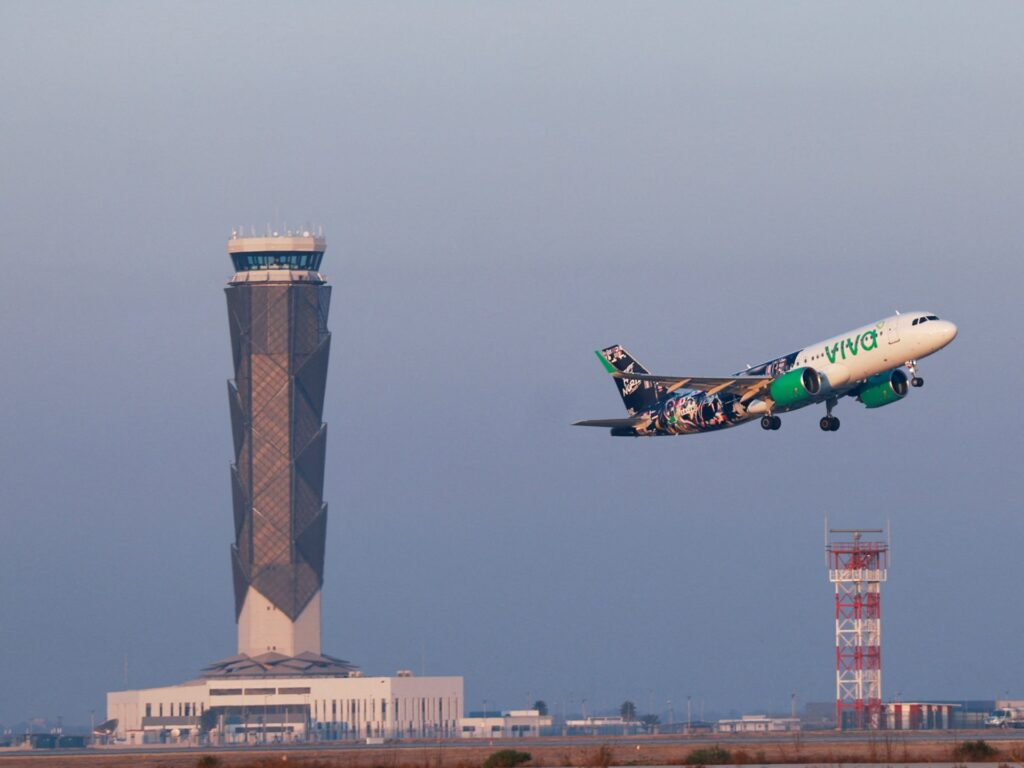
Additionally, the US air authority’s warning serves as an advisory for commercial and civilian air traffic to remain cautious and follow updated flight instructions to avoid any interference or accidental encounters with military flights.
The ongoing battle against drug cartels remains a complex challenge for Mexico, with ripple effects impacting neighboring countries in South America. Regional stability depends on effective law enforcement, international cooperation, and addressing socioeconomic factors that fuel organized crime.
In summary, the US air authority’s alert about military activities over Mexico and South America comes at a time of noted progress against cartels but also increased security concerns in the hemisphere. This development underscores the intricate balance between national sovereignty, security cooperation, and operational transparency as countries collaborate to combat illicit activities and protect their airspace integrity.