Tensions in the Middle East are escalating as the Israeli military has intensified its offensive operations in Lebanon’s Bekaa Valley. This surge in military activity comes amid a fragile ceasefire agreement with Hezbollah that was established in 2024. Near-daily attacks launched by Israel’s army have been reported, drawing international attention and condemnation.
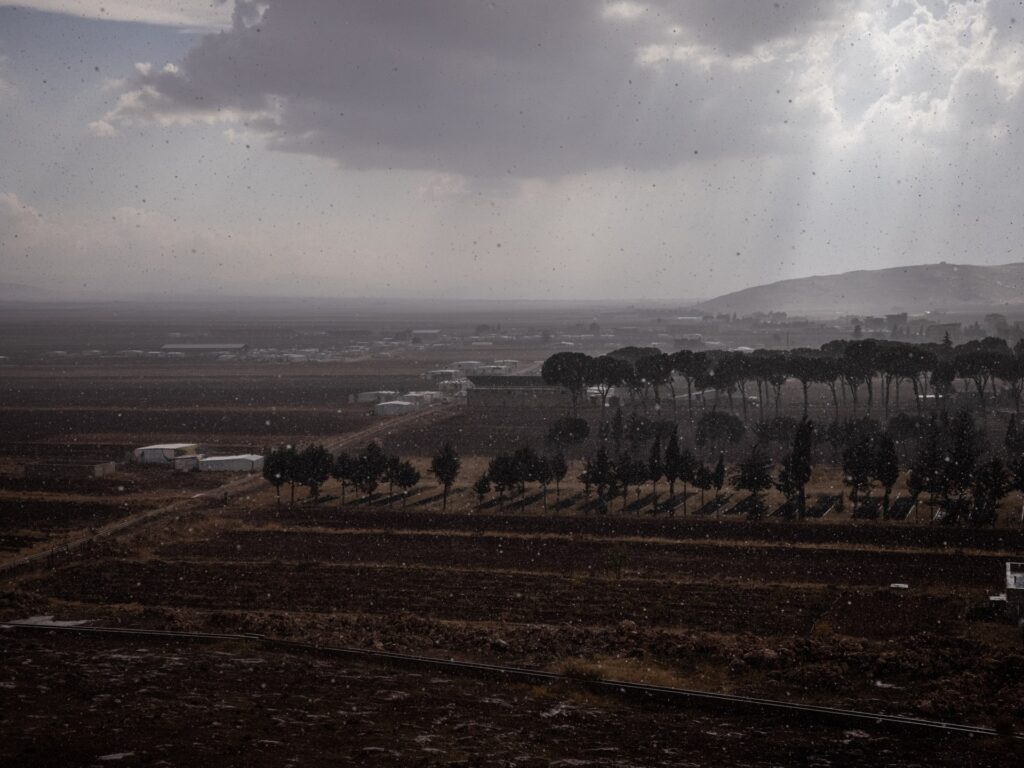
The Bekaa Valley, a strategic and fertile region in eastern Lebanon, has increasingly become a focal point of hostilities. The Israeli military’s strikes have targeted several villages in the valley, disrupting the lives of civilians and raising fears of a larger conflict erupting.
This escalation threatens the stability of the delicate ceasefire brokered in 2024 between Israel and Hezbollah, the Lebanese Shia militant group and political party. The ceasefire was designed to halt prolonged violence and foster a period of calm in the region; however, the ongoing attacks cast doubt on the durability of this agreement.
Military sources in Israel assert that the operations are preemptive measures aimed at thwarting potential threats emanating from Hezbollah positions. They argue the strikes are necessary to dismantle militant capabilities and prevent attacks on Israeli territory.
Conversely, Hezbollah and Lebanese officials denounce these incursions as violations of Lebanese sovereignty and breaches of international agreements. They warn that continued aggression could provoke retaliatory measures and lead to renewed warfare in the border regions.
International actors have expressed concern regarding the renewed tensions. The United Nations and various world powers have called for restraint and adherence to the ceasefire terms to prevent further destabilization.
The civilian population in the Bekaa Valley bears a heavy toll amid the conflict. Reports indicate displacement of families, damage to infrastructure, and disruption of daily life, exacerbating humanitarian concerns in an already volatile area.
The pattern of repeated strikes suggests a strategic intent by Israel to pressure Hezbollah and disrupt its operational capabilities. However, this approach risks undermining the broader goals of peace and stability in Lebanon and the wider Middle East.
Diplomatic efforts are ongoing to address the crisis. Regional and international mediators are urging both sides to return to dialogue and reinforce the terms of the ceasefire.
The situation remains fluid, with the potential for rapid escalation if further attacks continue or if Hezbollah responds militarily. The international community remains watchful, emphasizing the need for de-escalation and peaceful resolution to the conflict.
In summary, the Israeli military’s near-daily attacks in Lebanon’s Bekaa Valley highlight the fragile nature of the 2024 Hezbollah ceasefire. The rising tensions threaten to plunge the region back into conflict, underscoring the critical need for renewed diplomatic engagement and adherence to agreements aimed at securing lasting peace.